Zinc explained: what it is and side effects
Zinc is found in cells throughout your body and, the NIH says, supports a proper sense of taste. Meat, fish, eggs and dairy provide zinc, and adults 19 and older need 11 mg a day for men or 8 mg for women. Two products we reviewed list zinc, and both labels print the amount: 5.5 mg to 7.5 mg per serving.
- What it is
- Mineral
- What adults need a day (ages 19 and older)
- 8 to 11 mg
- In the products we reviewed
- 2, every label prints the amount
What zinc is
- Meat, fish, other seafood, eggs, and dairy products are good food sources of zinc.2
- Zinc is found in cells throughout your body.1
- The body needs zinc for proper growth and development during pregnancy, infancy, childhood, and adolescence.1
- Zinc helps wounds heal and supports a proper sense of taste.1
- Supplement forms include zinc sulfate, zinc acetate, and zinc gluconate.1
- Zinc supplements are available alone or combined with calcium, magnesium, or other ingredients.1
- The zinc amount on a Supplement Facts label is the amount of zinc itself, not the weight of the whole compound containing it.2
Foods that have it1
- Oysters
- Meat
- Fish
- Poultry
- Crab
- Lobsters
- Fortified breakfast cereals
- Beans
- Nuts
- Whole grains
- Eggs
- Dairy products
How much zinc each product gives
Adults need 8 to 11 mg a day
Before you take it
If you take medicines
- Quinolone antibiotics such as Cipro and tetracycline antibiotics such as Achromycin and Sumycin
- Combining these antibiotics with zinc might decrease absorption of both zinc and the antibiotic. Take the antibiotic at least 2 hours before or 4 to 6 hours after a zinc supplement.1
- Penicillamine
- Zinc supplements can decrease absorption of penicillamine. Take zinc supplements and penicillamine at least 1 hour apart.1
- Thiazide diuretics such as chlorthalidone (Hygroton) and hydrochlorothiazide (Esidrix and HydroDIURIL)
- These medicines increase zinc loss in urine. Taking them for a long time might decrease the amount of zinc in your body.1
If you take other supplements
- Iron supplements containing 25 mg or more
- Taking iron supplements containing 25 mg or more at the same time as zinc supplements can decrease zinc absorption and zinc levels in the liquid part of blood.2
- Magnesium
- Very high doses of supplemental zinc can decrease your body's absorption of magnesium.1
- Copper and iron
- High doses of oral zinc interfere with copper and iron absorption. Supplementing above the RDA can cause copper deficiency.4
Foods and drinks
- Beans and grains
- Beans and grains contain phytates, which decrease the amount of zinc your body absorbs.1
Side effects
- High doses of zinc can cause abdominal pain or digestive intolerance that may require changing the dose or stopping it.4
Ask a doctor first
- The adult daily upper limit for zinc is 40 mg.1
- The upper limits do not apply to supplemental zinc taken for medical reasons under a doctor's care.1
- Ask your healthcare provider for breastfeeding advice specific to your situation.3
These statements have not been evaluated by the FDA. A supplement is not a medicine.
The 2 products we reviewed that list zinc
| Product | Form and serving | Zinc per serving | Our score | Price a bottle | Buy |
|---|---|---|---|---|---|
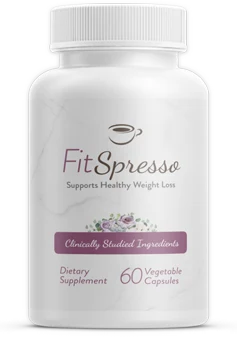 FitSpresso#2 in weight loss support FitSpresso#2 in weight loss support | Capsules1 capsule | 5.5 mg50% of daily need | 9.5 | $39 | Check price |
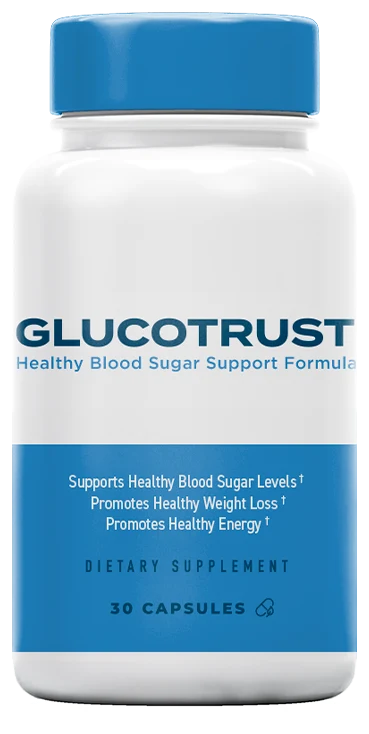 GlucoTrust#6 in blood sugar support GlucoTrust#6 in blood sugar support | Capsules1 capsule | 7.5 mg68% of daily need | 8.9 | $49 | Check price |
Questions people ask
What foods have zinc?
Zinc food sources include oysters, meat, fish, poultry, crab, lobsters, eggs and dairy products. Fortified breakfast cereals, beans, nuts and whole grains also contain zinc.
How much zinc do adults need per day?
Men 19 and older need 11 mg of zinc daily, and women 19 and older need 8 mg. During pregnancy, the daily amount is 11 mg, and while breastfeeding it is 12 mg. Ask your clinician for breastfeeding advice specific to your situation.
What is zinc sulfate?
Zinc sulfate is one of the zinc supplement forms listed by the NIH, alongside zinc acetate and zinc gluconate. Supplements can contain zinc alone or combine it with calcium, magnesium or other ingredients.
How much zinc is too much?
40 mg is the adult daily upper limit for zinc. High doses can cause abdominal pain or digestive intolerance that may require changing the dose or stopping it. Ask a clinician before starting a zinc supplement.
What should I know about zinc and copper supplements?
High doses of oral zinc interfere with copper and iron absorption. Taking zinc above the recommended daily allowance can cause copper deficiency. Ask a clinician before starting.
Which products we reviewed contain zinc, and how much?
FitSpresso lists 5.5 mg of zinc per 1 capsule serving, and GlucoTrust lists 7.5 mg per 1 capsule serving. Both labels print the zinc amount. The NIH says a Supplement Facts label reports the amount of zinc itself, not the weight of the whole compound containing it.
Sources
The products, amounts and prices come from each product's label and checkout, as its review shows them. AI drafts our pages from listed sources, figures are checked against them, and we have not tried the products.
- 1NIH Office of Dietary Supplements, Zinc Consumerods.od.nih.gov/factsheetschecked
- 2NIH Office of Dietary Supplements, Zinc - Health Professionalods.od.nih.gov/factsheetschecked
- 3NIH LactMed, Zincncbi.nlm.nih.gov/bookschecked
- 4NIH LiverTox, Zincncbi.nlm.nih.gov/bookschecked