Ginger explained: what it is and side effects
Ginger comes from the plant's rhizome, an underground stem used in food, and is native to warm parts of Asia. The NIH says ginger is 50% starch by weight and provides carbohydrates. One product we reviewed lists ginger, but its label does not print a separate ginger amount.
- What it is
- Plant
- Amounts the NIH names
- A typical daily dose is up to the equivalent of 1000 mg of dried powdered ginger extract.
- In the products we reviewed
- 1, its label does not print the amount
What ginger is
- Ginger comes from the plant's rhizome, an underground stem used in food and for health purposes.1
- Ginger is native to warm parts of Asia and is also grown in parts of South America, Africa, and the Middle East.1
- Ginger preparations vary in concentration and purity, from raw powdered extracts to partly purified components such as gingerol and shogaols.2
- Ginger has been taken by mouth as a dietary supplement.1
- Ginger contains 2% to 3% volatile oils that contribute to its scent, flavor, and biological activity.2
- Ginger is 50% starch by weight and provides carbohydrates.2
How much ginger each product gives
NIH: 1,000 mg per dose
Amount not printed: the dashed line shows the most it can be, the whole blend
Before you take it
If you take medicines
- warfarin
- Ginger can increase bleeding risk when taken with warfarin.3
Side effects
- Ginger taken by mouth can cause abdominal discomfort, heartburn, diarrhea, and mouth and throat irritation.1
- Commonly mentioned side effects include mild, temporary heartburn, bloating, indigestion, diarrhea, or constipation.2
- Rare allergic reactions have been reported, usually as mild to moderate hives or rash.2
- Occasional mild side effects include a bad taste, heartburn, abdominal discomfort, weight gain, headache, dry mouth, and nausea.3
Ask a doctor first
- Ask your health care provider before using ginger while pregnant.1
- Little is known about the safety of using ginger while breastfeeding.1
These statements have not been evaluated by the FDA. A supplement is not a medicine.
The product we reviewed that lists ginger
| Product | Form and serving | Ginger per serving | Our score | Price a bottle | Buy |
|---|---|---|---|---|---|
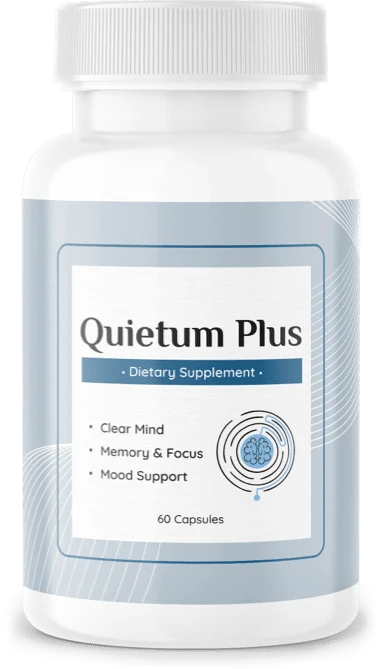 Quietum Plus#4 in hearing support Quietum Plus#4 in hearing support | Capsules2 capsules | Not printedIn a 802 mg proprietary blend | 9.4 | $49 | Check price |
Questions people ask
What is ginger root?
Ginger root is the plant's rhizome, an underground stem used in food and for health purposes. The NIH says ginger is native to warm parts of Asia and is also grown in parts of South America, Africa, and the Middle East.
What is in ginger?
Ginger contains starch and volatile oils. The NIH says it is 50% starch by weight and provides carbohydrates. Its 2% to 3% volatile oils contribute to its scent, flavor, and biological activity.
How much ginger per day?
The NIH names a typical daily dose of up to the equivalent of 1000 mg of dried powdered ginger extract. Ginger preparations vary in concentration and purity, from raw powdered extracts to partly purified components such as gingerol and shogaols.
What are ginger root side effects?
Ginger taken by mouth can cause abdominal discomfort, heartburn, diarrhea, and mouth and throat irritation. Rare allergic reactions have been reported, usually as mild to moderate hives or rash. Ask a clinician before starting ginger if you are pregnant or breastfeeding, since little is known about its safety while breastfeeding.
Which supplements we reviewed contain ginger?
Quietum Plus is the product we reviewed that lists ginger. Its serving is 2 capsules with an 802 mg proprietary blend, but the separate ginger amount is not printed.
Sources
The products, amounts and prices come from each product's label and checkout, as its review shows them. AI drafts our pages from listed sources, figures are checked against them, and we have not tried the products.
- 1NIH National Center for Complementary and Integrative Health, Gingernccih.nih.gov/healthchecked
- 2NIH LiverTox, Gingerncbi.nlm.nih.gov/bookschecked
- 3NIH LactMed, Gingerncbi.nlm.nih.gov/bookschecked