Milk thistle explained: what it is and side effects
Milk thistle is a tall plant with large purple flowers, native to Europe. The NIH says the main part of its extract is silymarin, a mixture of compounds extracted from the fruits, or seeds. One product we reviewed lists milk thistle, but its label does not print a separate amount.
- What it is
- Plant
- Amounts the NIH names
- 250 to 750 mg of silymarin in a capsule or tablet
- In the products we reviewed
- 1, its label does not print the amount
What milk thistle is
- Milk thistle, Silybum marianum, is an herb native to Europe, Asia Minor and Northern Africa.2
- Milk thistle is a tall plant with large purple flowers that is native to Europe.1
- Milk thistle is also called Mary thistle or holy thistle, and its Latin name is Silybum marianum, also known as Carduus marianus.1
- Early colonists brought milk thistle to North America.1
- Milk thistle is an annual or biennial herb from the Mediterranean region that has been used as a food for centuries.2
- The main part of milk thistle extract is silymarin, a mixture of compounds.1
- Silymarin is a mixture of flavonolignans, mainly silibinin, also called silybin, along with silycristine, silydianin, quercetin and taxifolin.3
- Silymarin is a standardized preparation extracted from the fruits, or seeds, of milk thistle.3
- The daily amount varies, but milk thistle is typically taken 2 to 3 times a day.2
How much milk thistle each product gives
NIH: 250 mg to 750 mg per dose
Amount not printed: the dashed line shows the most it can be, the whole blend
Before you take it
If you take medicines
- Other medicines
- Milk thistle might speed up how the body breaks down some drugs.3
Side effects
- Milk thistle taken by mouth appears to be well tolerated, and the most common side effects are digestive, such as bloating, nausea and gas.1
- Milk thistle and silymarin are well tolerated in adults, with only mild side effects such as diarrhea, headache and skin reactions.3
- Severe allergies and anaphylaxis are reported, but rarely.3
- Despite its wide use, milk thistle has not been linked to raised liver enzymes or to liver injury.2
Ask a doctor first
- Milk thistle may cause allergic reactions, mostly in people allergic to related plants such as ragweed, chrysanthemum, marigold and daisy.1
- Some products have been found to hold amounts of silymarin very different from the label, or to be contaminated with pesticides, microorganisms or mycotoxins.1
- Anyone who takes medicine should talk with a health care provider before using milk thistle, because some herbs and medicines interact in harmful ways.1
- Little is known about whether milk thistle is safe during pregnancy or while breastfeeding.1
These statements have not been evaluated by the FDA. A supplement is not a medicine.
The product we reviewed that lists milk thistle
| Product | Form and serving | Milk thistle per serving | Our score | Price a bottle | Buy |
|---|---|---|---|---|---|
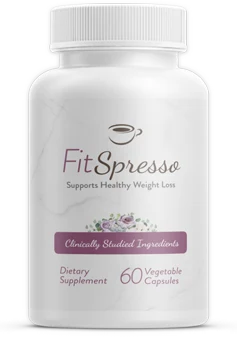 FitSpresso#2 in weight loss support FitSpresso#2 in weight loss support | Capsules1 capsule | Not printedIn a 56 mg proprietary blend | 9.5 | $39 | Check price |
Questions people ask
What is the milk thistle plant?
Milk thistle is a tall herb with large purple flowers, native to Europe. It is also called Mary thistle or holy thistle, and its Latin name is Silybum marianum.
What is in milk thistle extract?
Silymarin is the main part of milk thistle extract, according to the NIH. It is a mixture of compounds extracted from the plant's fruits, or seeds, mainly silibinin, also called silybin.
How much milk thistle should I take per day?
The daily amount of milk thistle varies, according to the NIH. The NIH names 250 to 750 mg of silymarin in a capsule or tablet and says milk thistle is typically taken 2 to 3 times a day.
What are the side effects of milk thistle?
The most common side effects of milk thistle taken by mouth are digestive, such as bloating, nausea and gas. Diarrhea, headache and skin reactions are also reported. Severe allergic reactions are reported, but rarely.
Is milk thistle safe?
Milk thistle taken by mouth appears to be well tolerated, but allergic reactions can occur. These are mostly reported in people allergic to related plants, such as ragweed, chrysanthemum, marigold and daisy. Little is known about safety during pregnancy or breastfeeding, so ask a clinician before starting.
Which supplements we reviewed contain milk thistle?
FitSpresso is the only product we reviewed that lists milk thistle. Its capsule serving lists milk thistle inside a 56 mg proprietary blend, without printing a separate amount for the ingredient.
Sources
The products, amounts and prices come from each product's label and checkout, as its review shows them. AI drafts our pages from listed sources, figures are checked against them, and we have not tried the products.
- 1NIH National Center for Complementary and Integrative Health, Milk Thistle: Usefulness and Safetynccih.nih.gov/healthchecked
- 2NIH LiverTox, Milk Thistlencbi.nlm.nih.gov/bookschecked
- 3NIH LactMed (Drugs and Lactation Database), Milk Thistlencbi.nlm.nih.gov/bookschecked