Cayenne pepper explained: what it is and side effects
Capsaicin comes from chili peppers and makes them taste hot. The NIH says capsaicinoids give chili peppers their sharp flavor, and capsaicin is the most abundant and most studied of them. Five products we reviewed list cayenne pepper (capsicum), and none prints its individual amount.
- What it is
- Plant
- Amounts the NIH names
- 2 to 4 mg of capsaicinoids a day in a 12-week trial
- In the products we reviewed
- 5, none prints the amount
What cayenne pepper (capsicum) is
- Capsaicin comes from chili peppers and makes them taste hot.1
- Capsaicinoids give chili peppers their sharp flavor, and capsaicin is the most abundant and most studied of them.2
- Studies have used from 0.2 mg of capsaicinoids in a single meal up to 33 mg a day for 4 weeks, from chili powder, chili foods or chili capsules.2
- Capsaicin is considered safe at up to 33 mg a day for 4 weeks or 4 mg a day for 12 weeks.1
How much cayenne pepper (capsicum) each product gives
NIH: 2 mg to 4 mg per dose
Amount not printed: the dashed line shows the most it can be, the whole blend
Before you take it
The 5 products we reviewed that list cayenne pepper (capsicum)
| Product | Form and serving | Cayenne pepper (capsicum) per serving | Our score | Price a bottle | Buy |
|---|---|---|---|---|---|
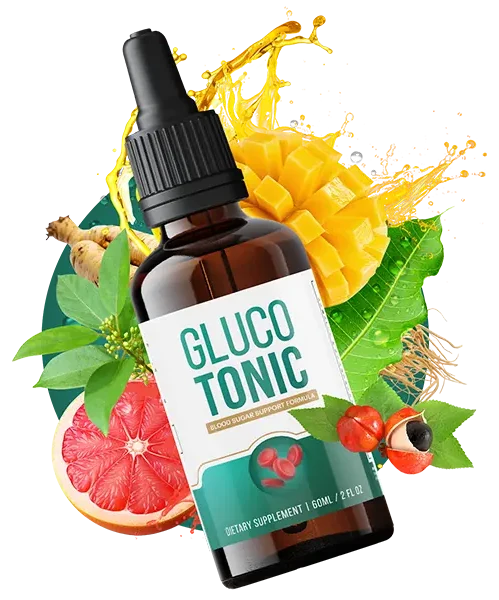 GlucoTonic#1 in blood sugar support GlucoTonic#1 in blood sugar support | Liquid drops1 ml | Not printedIn a 200 mg proprietary blend | 9.9 | $49 | Check price |
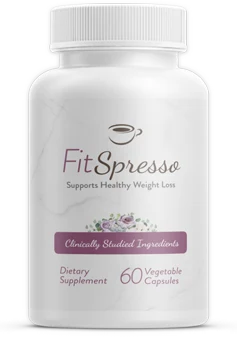 FitSpresso#2 in weight loss support FitSpresso#2 in weight loss support | Capsules1 capsule | Not printedIn a 56 mg proprietary blend | 9.5 | $39 | Check price |
 Sugar Defender#3 in blood sugar support Sugar Defender#3 in blood sugar support | Liquid drops1 ml | Not printedIn a 200 mg proprietary blend | 9.5 | $49 | Check price |
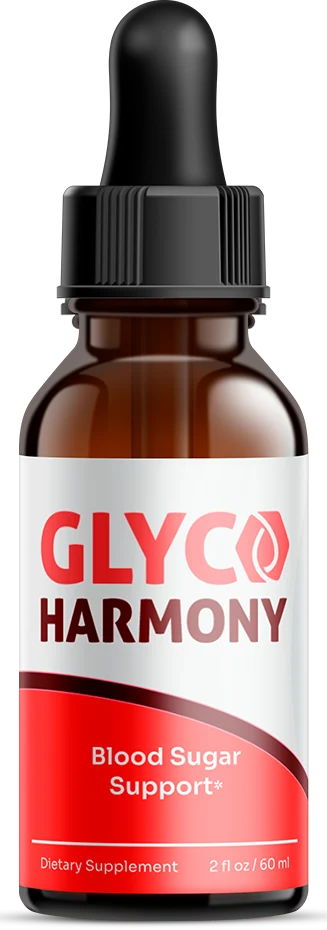 Glyco Harmony#5 in blood sugar support Glyco Harmony#5 in blood sugar support | Liquid drops1 ml | Not printedIn a 200 mg proprietary blend | 9.3 | $49 | Check price |
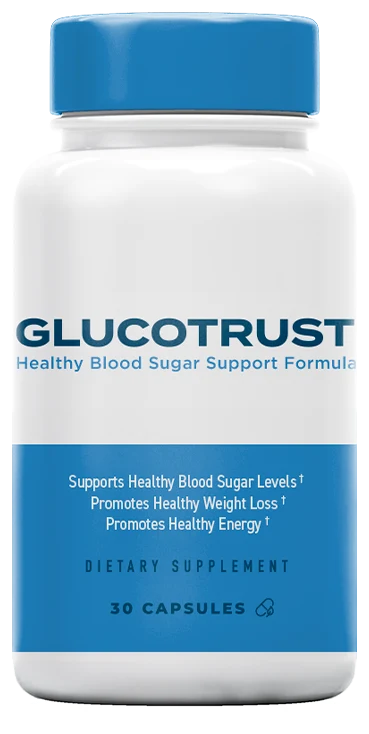 GlucoTrust#6 in blood sugar support GlucoTrust#6 in blood sugar support | Capsules1 capsule | Not printedIn a 207.7 mg proprietary blend | 8.9 | $49 | Check price |
Questions people ask
What is in cayenne pepper that makes it hot?
Capsaicin makes chili peppers taste hot. The NIH says it is the most abundant and most studied of the capsaicinoids, which give chili peppers their sharp flavor.
How much cayenne pepper should I take per day?
The NIH amounts here refer to capsaicinoids, not a daily serving of cayenne pepper. It describes 2 to 4 mg of capsaicinoids a day in a 12-week trial. Ask a clinician before starting a supplement.
Is a capsaicin supplement safe?
The NIH considers capsaicin safe at up to 33 mg a day for 4 weeks or 4 mg a day for 12 weeks. Capsaicin can cause stomach pain, burning sensations, nausea and bloating. Ask a clinician before starting.
Which supplements we reviewed contain cayenne pepper?
GlucoTonic, FitSpresso, Sugar Defender, Glyco Harmony and GlucoTrust list cayenne pepper (capsicum), but none prints its individual amount. GlucoTonic, Sugar Defender and Glyco Harmony place it inside a 200 mg proprietary blend. FitSpresso lists a 56 mg blend, and GlucoTrust lists a 207.7 mg blend, so these figures describe the whole blends, not cayenne pepper alone.
Which cayenne pepper capsules and drops did we review?
FitSpresso and GlucoTrust are capsules, while GlucoTonic, Sugar Defender and Glyco Harmony are liquid drops. The listed serving is 1 capsule for each capsule product and 1 ml for each liquid product.
Also in these products
Sources
The products, amounts and prices come from each product's label and checkout, as its review shows them. AI drafts our pages from listed sources, figures are checked against them, and we have not tried the products.
- 1NIH Office of Dietary Supplements, Dietary Supplements for Weight Loss, Fact Sheet for Consumersods.od.nih.gov/factsheetschecked
- 2NIH Office of Dietary Supplements, Dietary Supplements for Weight Loss, Fact Sheet for Health Professionalsods.od.nih.gov/factsheetschecked