Alpha-lipoic acid explained: what it is and side effects
The body makes it in mitochondria inside cells, and the NIH says it works as a cofactor for enzymes involved in energy production. The body makes enough for basic functions such as energy metabolism. Three products we reviewed list alpha-lipoic acid, and two print amounts of 25 to 75 mg per serving.
- Amounts the NIH names
- 50 to 600 mg in supplements
- In the products we reviewed
- 3, 2 print the amount
What alpha-lipoic acid is
- The body makes alpha-lipoic acid inside its cells, in the mitochondria.1
- Alpha-lipoic acid (ALA), also called lipoic acid or thioctic acid, is naturally present in the mitochondria.1
- The body makes enough ALA for basic functions such as energy metabolism.1
- ALA works as a cofactor for enzymes in the cell metabolism that leads to energy (ATP) production.1
- ALA and its reduced form can act as antioxidants and help regenerate other antioxidants such as vitamin C, vitamin E and glutathione.1
- Small amounts of ALA are in foods such as meats, liver, fruits and vegetables.1
- In supplements, ALA is usually a mix of R-ALA, the natural form, and S-ALA, the manufactured form, and some products contain only R-ALA.1
- Typical amounts in supplements range from 50 to 600 mg of ALA.1
- No safety concerns have been reported for 600 mg a day by mouth for 6 months to 4 years.1
Foods that have it1
- Meats
- Liver
- Fruits
- Vegetables
Works with
- Vitamin C and vitamin E. Alpha-lipoic acid helps the body regenerate other antioxidants, such as vitamin C, vitamin E and glutathione.1
How much alpha-lipoic acid each product gives
NIH: 50 mg to 600 mg per dose
Amount not printed: the dashed line shows the most it can be, the whole blend
Before you take it
If you take medicines
- Other medicines
- Alpha-lipoic acid may interact with other medicines.3
The 3 products we reviewed that list alpha-lipoic acid
| Product | Form and serving | Alpha-lipoic acid per serving | Our score | Price a bottle | Buy |
|---|---|---|---|---|---|
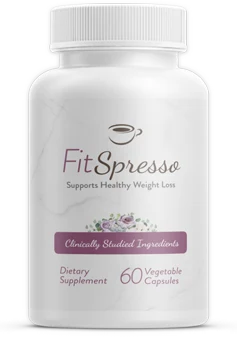 FitSpresso#2 in weight loss support FitSpresso#2 in weight loss support | Capsules1 capsule | 75 mg | 9.5 | $39 | Check price |
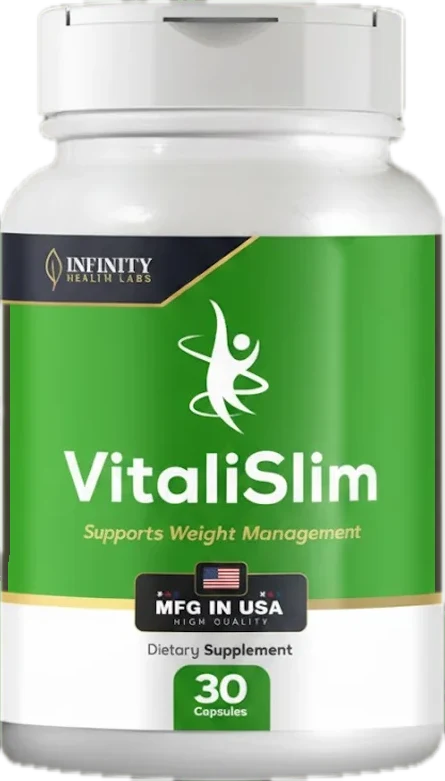 VitaliSlim#4 in weight loss support VitaliSlim#4 in weight loss support | Capsules1 capsule | 25 mg | 9.2 | $49 | Check price |
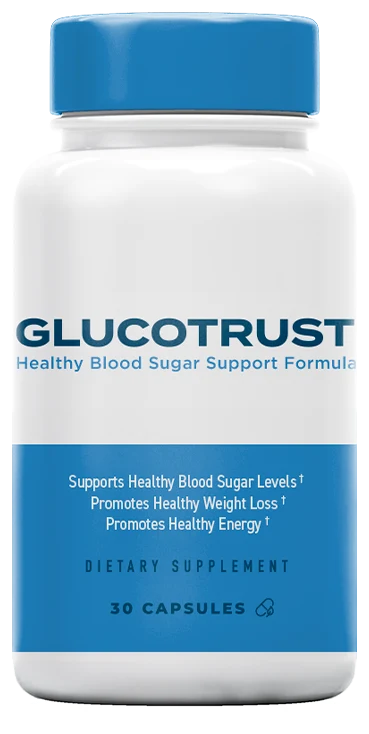 GlucoTrust#6 in blood sugar support GlucoTrust#6 in blood sugar support | Capsules1 capsule | Not printedIn a 207.7 mg proprietary blend | 8.9 | $49 | Check price |
Questions people ask
What does alpha-lipoic acid do in the body?
Alpha-lipoic acid works as a cofactor for enzymes involved in energy production, according to the NIH. It can also act as an antioxidant and help regenerate other antioxidants, such as vitamin C, vitamin E and glutathione.
What foods contain alpha-lipoic acid?
Meats, liver, fruits and vegetables contain small amounts of alpha-lipoic acid. The body also makes it inside cells, in the mitochondria.
How much alpha-lipoic acid should I take each day?
The body makes enough alpha-lipoic acid for basic functions such as energy metabolism. The NIH lists typical supplement amounts of 50 to 600 mg, rather than a daily requirement. Ask a clinician before adding a supplement.
What are the side effects of alpha-lipoic acid?
The most common side effects of alpha-lipoic acid supplements are headache, heartburn, nausea and vomiting. High doses can cause an upset stomach.
Is alpha-lipoic acid safe?
The NIH reports no safety concerns for alpha-lipoic acid taken by mouth at 600 mg a day for six months to four years. Ask a clinician before adding a new supplement.
Which products we reviewed contain alpha-lipoic acid?
FitSpresso, VitaliSlim and GlucoTrust list alpha-lipoic acid. FitSpresso prints 75 mg and VitaliSlim prints 25 mg per 1-capsule serving. GlucoTrust lists it inside a 207.7 mg proprietary blend without printing its individual amount.
Also in these products
Sources
The products, amounts and prices come from each product's label and checkout, as its review shows them. AI drafts our pages from listed sources, figures are checked against them, and we have not tried the products.
- 1NIH Office of Dietary Supplements, Dietary Supplements for Primary Mitochondrial Disorders, Fact Sheet for Health Professionalsods.od.nih.gov/factsheetschecked
- 2NIH National Center for Complementary and Integrative Health, Diabetes and Dietary Supplements: What You Need To Knownccih.nih.gov/healthchecked
- 3NIH National Center for Complementary and Integrative Health, Type 2 Diabetes and Dietary Supplements: What the Science Saysnccih.nih.gov/healthchecked