Berberine explained: what it is and side effects
Berberine is a compound from plants such as European barberry, goldenseal, goldthread and Oregon grape. The NIH says it is often sold as an herbal dietary supplement. Six of the products we reviewed list berberine, and two labels print its amount: 15 mg to 50 mg per serving.
- Amounts the NIH names
- 200 to 1,000 mg, two to three times a day, in clinical use
- In the products we reviewed
- 6, 2 print the amount
What berberine is
- Berberine is a compound that comes from plants such as European barberry, goldenseal, goldthread and Oregon grape.1
- Plants with berberine have been used for thousands of years in Ayurvedic medicine and traditional Chinese medicine.1
- Today berberine is often sold as an herbal dietary supplement.1
- Taken by mouth, berberine is generally well tolerated.1
How much berberine each product gives
NIH: 200 mg to 1,000 mg per dose
Amount not printed: the dashed line shows the most it can be, the whole blend
Before you take it
If you take medicines
Side effects
- The most common side effects are abdominal pain, constipation, diarrhea, nausea and vomiting.1
Ask a doctor first
- People who are pregnant or breastfeeding should not use berberine, and it should not be given to infants, because it can cause or worsen jaundice in newborns.1
- Berberine may interact with medicines such as cyclosporine, so people who take medicine should talk with a health care provider first.4
These statements have not been evaluated by the FDA. A supplement is not a medicine.
The 6 products we reviewed that list berberine
| Product | Form and serving | Berberine per serving | Our score | Price a bottle | Buy |
|---|---|---|---|---|---|
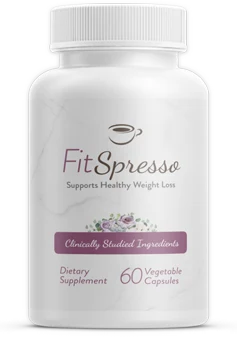 FitSpresso#2 in weight loss support FitSpresso#2 in weight loss support | Capsules1 capsule | 50 mg | 9.5 | $39 | Check price |
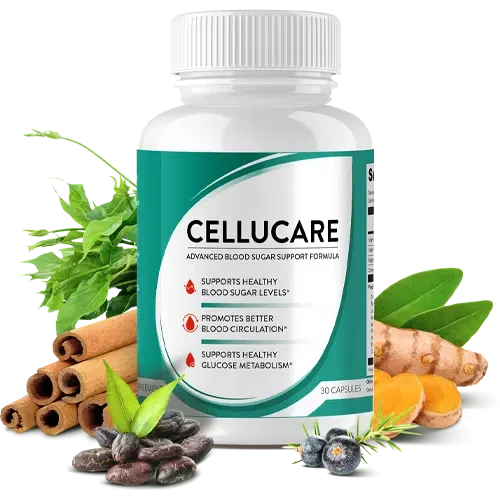 Cellucare#4 in blood sugar support Cellucare#4 in blood sugar support | Capsules1 capsule | Not printedIn a 528 mg proprietary blend | 9.4 | $49 | Check price |
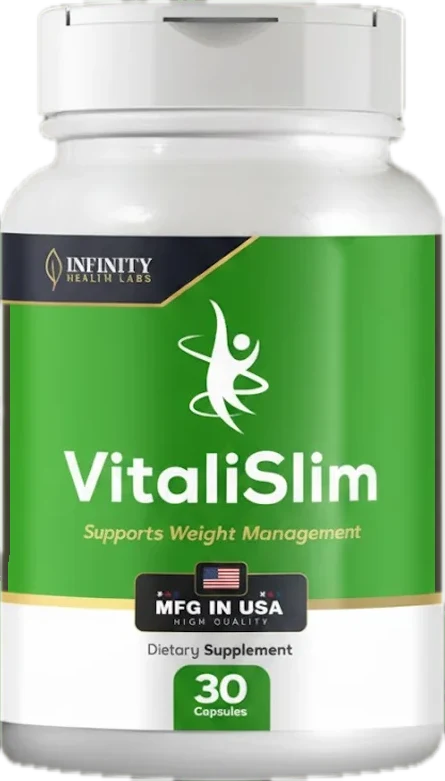 VitaliSlim#4 in weight loss support VitaliSlim#4 in weight loss support | Capsules1 capsule | 15 mg | 9.2 | $49 | Check price |
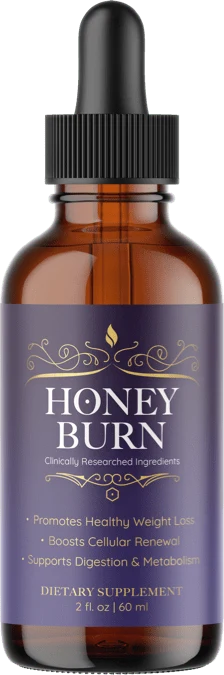 Honey Burn#6 in weight loss support Honey Burn#6 in weight loss support | Liquid drops2 ml | Not printedIn the 550 mg Royal Honey Blend | 9.0 | $49 | Check price |
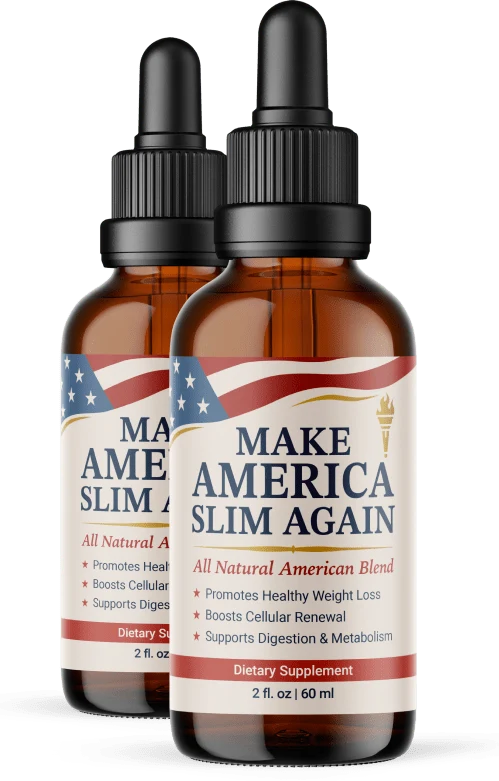 Make America Slim Again#7 in weight loss support Make America Slim Again#7 in weight loss support | Liquid drops2 ml | Not printedIn a 550 mg proprietary blend | 8.9 | $49 | Check price |
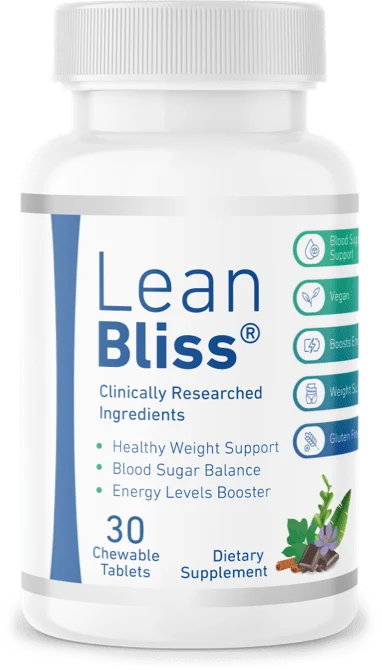 LeanBliss#9 in weight loss support LeanBliss#9 in weight loss support | Chewable tablets1 tablet | Not printedIn a 250 mg proprietary blend | 8.7 | $49 | Check price |
Questions people ask
What are the side effects of berberine?
Berberine's most common side effects are abdominal pain, constipation, diarrhea, nausea and vomiting. The NIH says berberine taken by mouth is generally well tolerated.
Is berberine safe?
Berberine is generally well tolerated when taken by mouth, according to the NIH. People who are pregnant or breastfeeding should not use it, and it should not be given to infants. Ask a clinician before starting.
How much berberine should I take?
The NIH names 200 to 1,000 mg, two to three times a day, in clinical use. Ask a clinician before starting rather than choosing your serving from that range.
Which supplements we reviewed contain berberine?
FitSpresso, Cellucare, VitaliSlim, Honey Burn, Make America Slim Again and LeanBliss list berberine. FitSpresso prints 50 mg per serving, and VitaliSlim prints 15 mg per serving. The other four list berberine within blends without printing its individual amount.
Which berberine drops did we review?
Honey Burn and Make America Slim Again are liquid drops that list berberine. Each lists it within a 550 mg blend, not as a separate amount. Both print a serving of 2 ml.
Also in these products
Sources
The products, amounts and prices come from each product's label and checkout, as its review shows them. AI drafts our pages from listed sources, figures are checked against them, and we have not tried the products.
- 1NIH National Center for Complementary and Integrative Health, In the News: Berberinenccih.nih.gov/healthchecked
- 2NIH National Center for Complementary and Integrative Health, Goldenseal: Usefulness and Safetynccih.nih.gov/healthchecked
- 3NIH National Center for Complementary and Integrative Health, Diabetes and Dietary Supplements: What You Need To Knownccih.nih.gov/healthchecked
- 4NIH National Center for Complementary and Integrative Health, Berberine and Weight Loss: What You Need To Knownccih.nih.gov/healthchecked