Panax ginseng explained: what it is and side effects
Panax ginseng, also called Asian ginseng, is native to Korea, northeastern China and far-eastern Siberia, and its root is the part used most. The NIH says it has been used as an adaptogen, an herb thought to help the body resist physical and mental stress. Four products we reviewed list Panax ginseng, but none prints its individual amount.
- What it is
- Plant
- Amounts the NIH names
- 3 g a day of Panax ginseng extract, the most common dose in the studies one review covered
- In the products we reviewed
- 4, none prints the amount
What Panax ginseng is
- The part of the Asian ginseng plant used most is the root.1
- Asian ginseng (Panax ginseng) is native to the Far East, including Korea, northeastern China and far-eastern Siberia.1
- Red ginseng and white ginseng are Asian ginseng prepared in two different ways.1
- Its most important compounds are thought to be ginsenosides, also called panaxosides.1
- Asian ginseng has been used as an adaptogen, a herb thought to help the body resist physical and mental stress.1
- Asian ginseng has been studied for cognitive function, such as attention and reaction time, in middle-aged adults.1
- Short-term use by mouth, up to 6 months, in recommended amounts appears to be safe for most people.1
How much Panax ginseng each product gives
NIH: 3,000 mg per dose
Amount not printed: the dashed line shows the most it can be, the whole blend
Before you take it
If you take medicines
Side effects
- Trouble sleeping is the most common side effect, and Asian ginseng may worsen autoimmune disorders and interfere with blood clotting.1
- Uncommon side effects include severe rash, liver damage and severe allergic reactions.1
Ask a doctor first
- Asian ginseng might lower blood sugar levels, so people with diabetes should talk with a health care provider before using it.1
- Some studies suggest Asian ginseng may be unsafe to take by mouth during pregnancy.1
These statements have not been evaluated by the FDA. A supplement is not a medicine.
The 4 products we reviewed that list Panax ginseng
| Product | Form and serving | Panax ginseng per serving | Our score | Price a bottle | Buy |
|---|---|---|---|---|---|
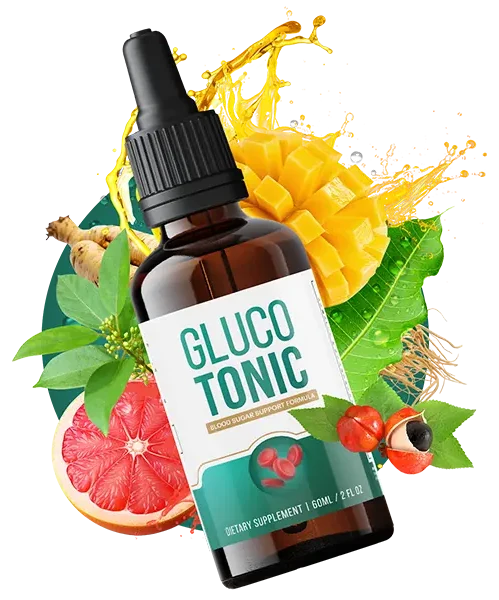 GlucoTonic#1 in blood sugar support GlucoTonic#1 in blood sugar support | Liquid drops1 ml | Not printedIn a 200 mg proprietary blend | 9.9 | $49 | Check price |
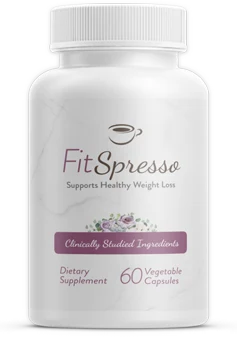 FitSpresso#2 in weight loss support FitSpresso#2 in weight loss support | Capsules1 capsule | Not printedIn a 56 mg proprietary blend | 9.5 | $39 | Check price |
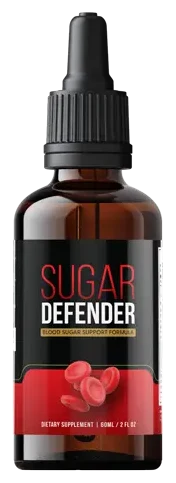 Sugar Defender#3 in blood sugar support Sugar Defender#3 in blood sugar support | Liquid drops1 ml | Not printedIn a 200 mg proprietary blend | 9.5 | $49 | Check price |
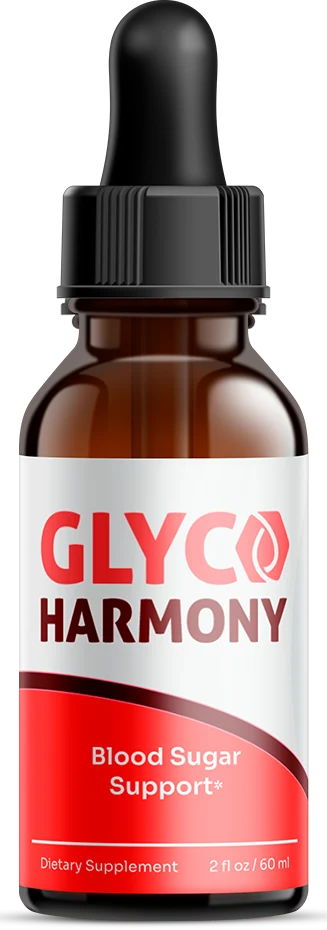 Glyco Harmony#5 in blood sugar support Glyco Harmony#5 in blood sugar support | Liquid drops1 ml | Not printedIn a 200 mg proprietary blend | 9.3 | $49 | Check price |
Questions people ask
What is Panax ginseng?
Panax ginseng is Asian ginseng, a plant native to Korea, northeastern China and far-eastern Siberia whose root is the part used most. The NIH says its most important compounds are thought to be ginsenosides, also called panaxosides.
Is red ginseng the same as Panax ginseng?
Yes, red ginseng is Asian ginseng, or Panax ginseng, prepared in a particular way. Red ginseng and white ginseng are the same plant prepared in two different ways.
How much Panax ginseng should I take per day?
The NIH names 3 g a day of Panax ginseng extract as the most common dose in studies covered by one review. That describes a study dose, not a daily requirement. Ask a clinician before starting.
What are the side effects of Panax ginseng?
Trouble sleeping is the most common side effect of Panax ginseng. It may also worsen autoimmune disorders and interfere with blood clotting. Uncommon side effects include severe rash, liver damage and severe allergic reactions.
Can I take Panax ginseng safely?
Short-term use by mouth, up to six months, in recommended amounts appears to be safe for most people. Some studies suggest Asian ginseng may be unsafe to take by mouth during pregnancy. Ask a clinician before starting, especially if you are pregnant.
Which products we reviewed contain Panax ginseng?
GlucoTonic, FitSpresso, Sugar Defender and Glyco Harmony list Panax ginseng, but none prints its individual amount. GlucoTonic, Sugar Defender and Glyco Harmony include it within a 200 mg proprietary blend per serving. FitSpresso includes it within a 56 mg proprietary blend per serving.
Also in these products
- Cayenne pepper (capsicum)In 4 of the same products
- ChromiumIn 4 of the same products
- Green tea extractIn 4 of the same products
- African mangoIn 3 of the same products
- AstragalusIn 3 of the same products
- Beta-alanineIn 3 of the same products
- Coleus forskohliiIn 3 of the same products
- EleutheroIn 3 of the same products
Sources
The products, amounts and prices come from each product's label and checkout, as its review shows them. AI drafts our pages from listed sources, figures are checked against them, and we have not tried the products.
- 1NIH National Center for Complementary and Integrative Health, Asian Ginseng: Usefulness and Safetynccih.nih.gov/healthchecked
- 2NIH Office of Dietary Supplements, Dietary Supplements for Immune Function and Infectious Diseases, Fact Sheet for Consumersods.od.nih.gov/factsheetschecked
- 3NIH Office of Dietary Supplements, Dietary Supplements for Immune Function and Infectious Diseases, Fact Sheet for Health Professionalsods.od.nih.gov/factsheetschecked