Eleuthero explained: what it is and side effects
The NIH identifies eleuthero as Eleutherococcus senticosus, also sold as Siberian or Russian ginseng. It comes from plants of the Eleutherococcus genus, which are not the Panax plants of true ginseng. Eight products we reviewed list eleuthero, but none of their labels prints its individual amount.
- What it is
- Plant
- Amounts the NIH names
- 800 mg a day of root and rhizome in one study
- In the products we reviewed
- 8, none prints the amount
What eleuthero is
How much eleuthero each product gives
NIH: 800 mg per dose
Amount not printed: the dashed line shows the most it can be, the whole blend
Before you take it
Side effects
- Some clinical trial reports have listed insomnia as a rare side effect.2
These statements have not been evaluated by the FDA. A supplement is not a medicine.
The 8 products we reviewed that list eleuthero
| Product | Form and serving | Eleuthero per serving | Our score | Price a bottle | Buy |
|---|---|---|---|---|---|
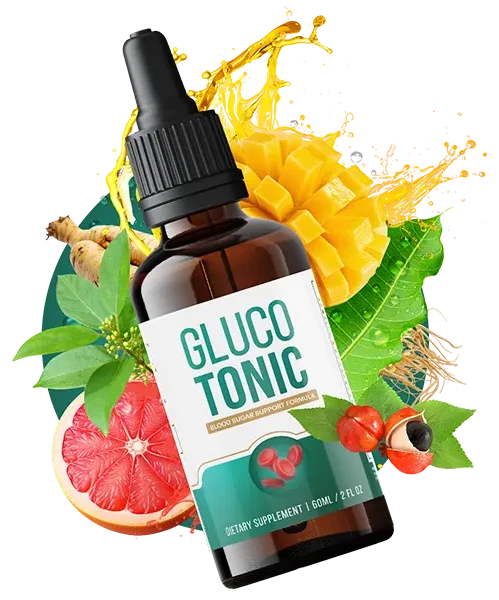 GlucoTonic#1 in blood sugar support | Liquid drops1 ml | Not printedIn a 200 mg proprietary blend | 9.9 | $49 | Check price |
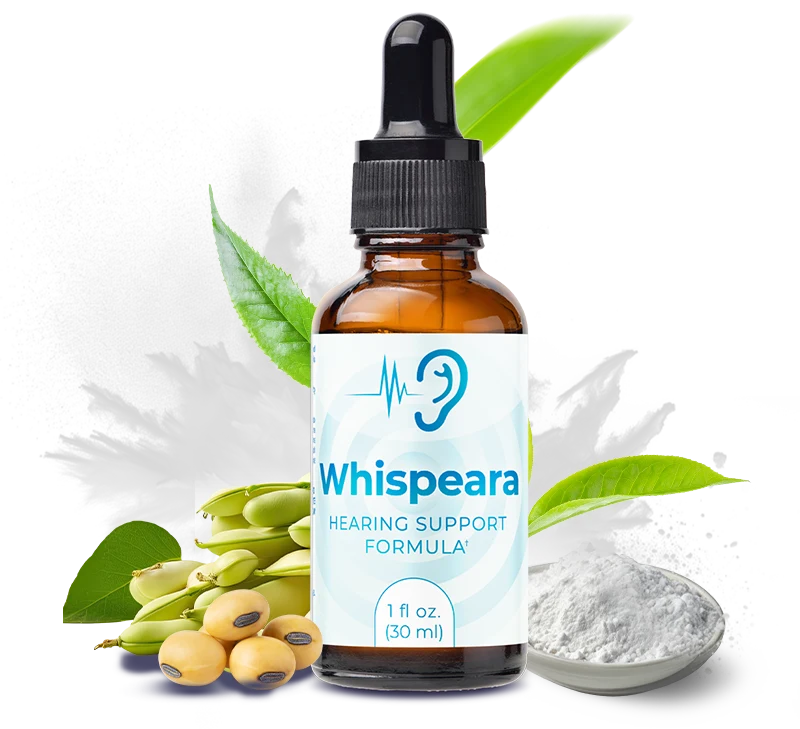 Whispeara#1 in hearing support | Liquid drops1 ml | Not printedIn a 200 mg proprietary blend | 9.9 | $49 | Check price |
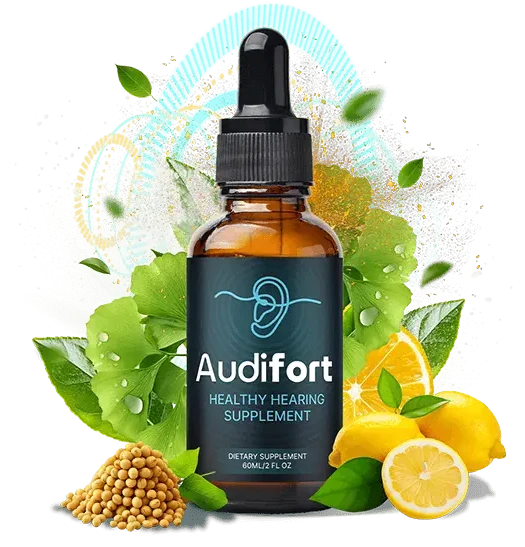 Audifort#2 in hearing support | Liquid drops1 ml | Not printedIn a 200 mg proprietary blend | 9.8 | $49 | Check price |
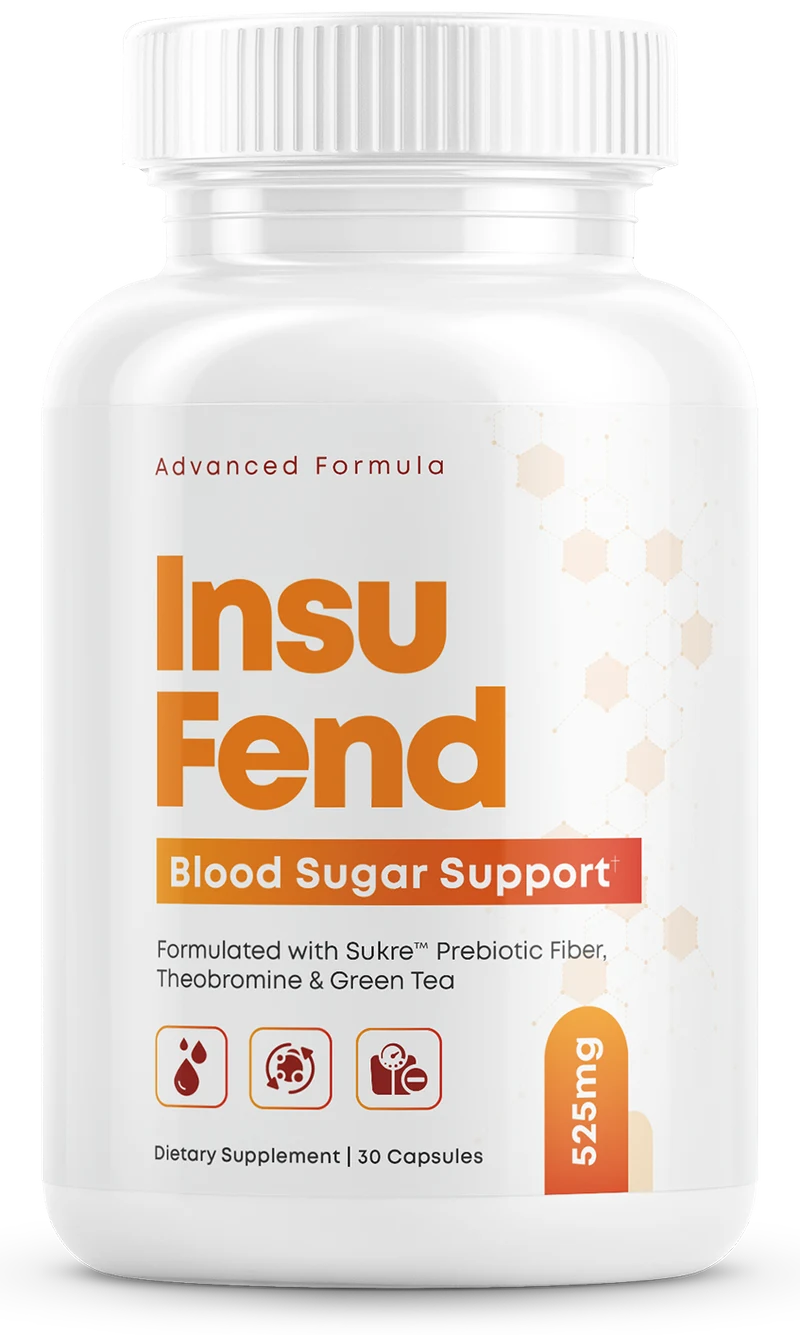 Insufend#2 in blood sugar support | Capsules1 capsule | Not printedIn a 525 mg proprietary blend | 9.6 | $49 | Check price |
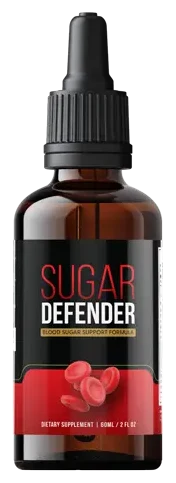 Sugar Defender#3 in blood sugar support | Liquid drops1 ml | Not printedIn a 200 mg proprietary blend | 9.5 | $49 | Check price |
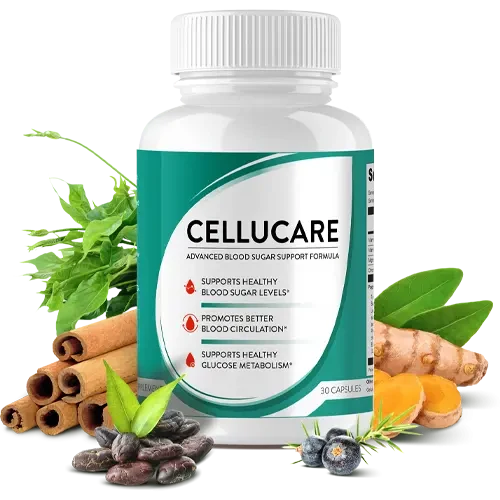 Cellucare#4 in blood sugar support | Capsules1 capsule | Not printedIn a 528 mg proprietary blend | 9.4 | $49 | Check price |
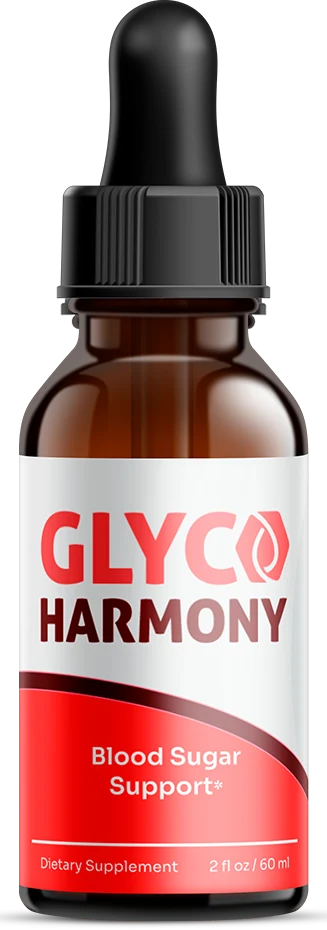 Glyco Harmony#5 in blood sugar support | Liquid drops1 ml | Not printedIn a 200 mg proprietary blend | 9.3 | $49 | Check price |
 ZenCortex#5 in hearing support | Liquid drops1 ml | Not printedIn a 200 mg proprietary blend | 9.3 | $49 | Check price |
Questions people ask
What is eleuthero?
Eleuthero is Eleutherococcus senticosus, also sold as Siberian or Russian ginseng, according to the NIH. It comes from Eleutherococcus plants, not the Panax plants of true ginseng.
Is eleuthero safe to take?
Short-term use of Siberian ginseng appears to be safe, according to the NIH. Some clinical trial reports have listed insomnia as a rare side effect.
What are the side effects of eleuthero?
Insomnia has been listed as a rare side effect in some clinical trial reports. The NIH says short-term use of Siberian ginseng appears to be safe.
Which products we reviewed contain eleuthero, and how much?
Eight products we reviewed list eleuthero: GlucoTonic, Whispeara, Audifort, Insufend, Sugar Defender, Cellucare, Glyco Harmony and ZenCortex. None prints its individual amount. Eleuthero is inside a 525 mg proprietary blend in Insufend, a 528 mg proprietary blend in Cellucare and a 200 mg proprietary blend in each of the other six products.
Also in these products
- ChromiumIn 8 of the same products
- GymnemaIn 8 of the same products
- Green tea extractIn 7 of the same products
- African mangoIn 6 of the same products
- AstragalusIn 6 of the same products
- Beta-alanineIn 6 of the same products
- Cayenne pepper (capsicum)In 6 of the same products
- Coleus forskohliiIn 6 of the same products
Sources
The products, amounts and prices come from each product's label and checkout, as its review shows them. AI drafts our pages from listed sources, figures are checked against them, and we have not tried the products.
- 1NIH Office of Dietary Supplements, Dietary Supplements for Immune Function and Infectious Diseases, Fact Sheet for Health Professionalsods.od.nih.gov/factsheetschecked
- 2NIH Office of Dietary Supplements, Dietary Supplements for Exercise and Athletic Performance, Fact Sheet for Health Professionalsods.od.nih.gov/factsheetschecked