Beta-alanine explained: what it is and side effects
Beta-alanine is an amino acid found in meat, poultry, and fish, and your liver also makes it. The NIH says your body uses beta-alanine to make carnosine in the muscles attached to your bones. Three products we reviewed list beta-alanine, but none prints its individual amount.
- What it is
- Amino acid
- Amounts the NIH names
- For healthy people willing to try beta-alanine supplements, the International Society of Sports Nutrition recommends an initial daily amount of 4 to 6 grams, divided into doses of 2 grams or less, for at least 2 weeks.
- In the products we reviewed
- 3, none prints the amount
What beta-alanine is
- Beta-alanine comes from animal-based foods such as meat, poultry, and fish, and your liver also makes it.1
- Your body uses beta-alanine to make carnosine in the muscles attached to your bones.2
- Beta-alanine supplements increase muscle carnosine levels, but the amount of increase varies from person to person.2
- Taking smaller divided doses or a sustained-release form can lessen or avoid the tingling sensation caused by beta-alanine.2
Foods that have it2
- meat
- poultry
- fish
Works with
- histidine. Beta-alanine and histidine are the two amino acids that make up carnosine in skeletal muscle.1
How much beta-alanine each product gives
NIH: 4,000 mg to 6,000 mg per dose
Amount not printed: the dashed line shows the most it can be, the whole blend
Before you take it
Side effects
- The tingling sensation can last 60 to 90 minutes but is not considered serious or harmful.2
- Beta-alanine supplements can cause itchy skin.1
Ask a doctor first
- The safety of taking beta-alanine supplements daily for more than several months is unknown.2
These statements have not been evaluated by the FDA. A supplement is not a medicine.
The 3 products we reviewed that list beta-alanine
| Product | Form and serving | Beta-alanine per serving | Our score | Price a bottle | Buy |
|---|---|---|---|---|---|
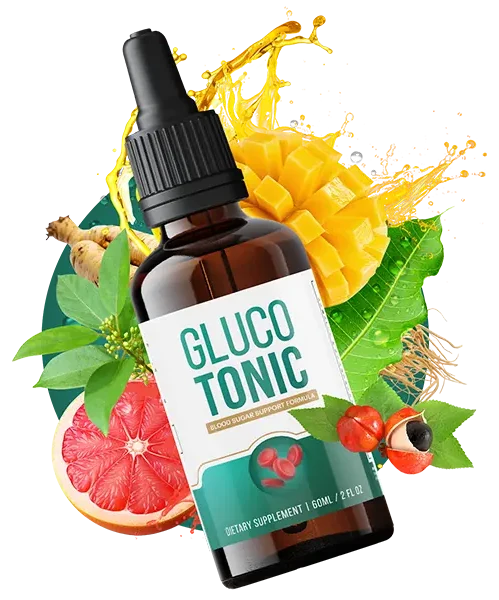 GlucoTonic#1 in blood sugar support GlucoTonic#1 in blood sugar support | Liquid drops1 ml | Not printedIn a 200 mg proprietary blend | 9.9 | $49 | Check price |
 Sugar Defender#3 in blood sugar support Sugar Defender#3 in blood sugar support | Liquid drops1 ml | Not printedIn a 200 mg proprietary blend | 9.5 | $49 | Check price |
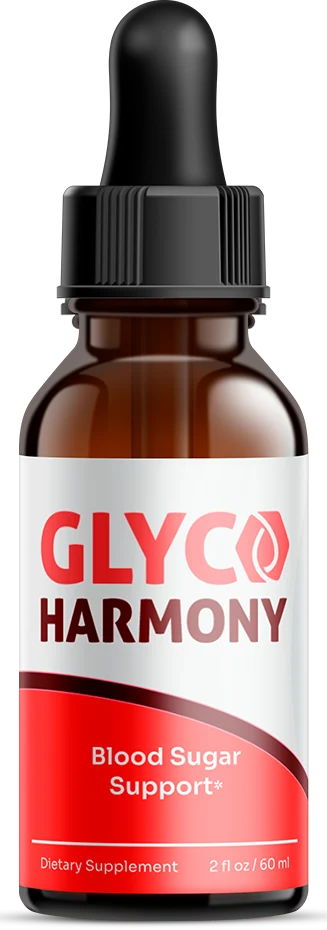 Glyco Harmony#5 in blood sugar support Glyco Harmony#5 in blood sugar support | Liquid drops1 ml | Not printedIn a 200 mg proprietary blend | 9.3 | $49 | Check price |
Questions people ask
Is beta-alanine an amino acid?
Yes, beta-alanine is an amino acid. Beta-alanine and histidine are the two amino acids that make up carnosine in skeletal muscle.
How much beta-alanine should I take per day?
The initial daily amount in the recommendation cited by the NIH is 4 to 6 grams. The recommendation is to divide that amount into doses of 2 grams or less for at least two weeks.
What are the side effects of beta-alanine?
Beta-alanine supplements can cause tingling and itchy skin. The tingling can last 60 to 90 minutes but is not considered serious or harmful.
How do I take beta-alanine to avoid tingling?
Smaller divided doses or a sustained-release form can lessen or avoid the tingling sensation caused by beta-alanine, according to the NIH.
Is beta-alanine safe to take every day?
The safety of taking beta-alanine supplements daily for more than several months is unknown. Ask a clinician before starting.
Which products we reviewed contain beta-alanine, and how much?
GlucoTonic, Sugar Defender, and Glyco Harmony list beta-alanine. Each lists it inside a 200 mg proprietary blend per 1 ml serving, but none prints the individual beta-alanine amount. The 200 mg is the blend amount, not the beta-alanine amount.
Also in these products
- African mangoIn 3 of the same products
- AstragalusIn 3 of the same products
- Cayenne pepper (capsicum)In 3 of the same products
- ChromiumIn 3 of the same products
- Coleus forskohliiIn 3 of the same products
- EleutheroIn 3 of the same products
- GABAIn 3 of the same products
- Grape seed extractIn 3 of the same products
Sources
The products, amounts and prices come from each product's label and checkout, as its review shows them. AI drafts our pages from listed sources, figures are checked against them, and we have not tried the products.
- 1NIH Office of Dietary Supplements, ExerciseAndAthleticPerformance HealthProfessionalods.od.nih.gov/factsheetschecked
- 2NIH Office of Dietary Supplements, ExerciseAndAthleticPerformance Consumerods.od.nih.gov/factsheetschecked