Astragalus explained: what it is and safety
Astragalus (Astragalus membranaceus) is a flowering plant, also known as milk vetch. Its root has been used for centuries in traditional Chinese medicine, often with other herbs. Three products we reviewed list astragalus, and none prints its individual amount: each includes it in a 200 mg proprietary blend.
- What it is
- Plant
- In the products we reviewed
- 3, none prints the amount
What astragalus is
- Astragalus (Astragalus membranaceus) is a flowering plant.1
- Its root has been used for centuries in traditional Chinese medicine, often with other herbs.1
- Astragalus is also known as milk vetch and Huang Qi.1
- Astragalus is considered an adaptogen, a natural substance thought to help the body resist physical, environmental and emotional stress.1
- Taking up to 60 grams a day for as long as 4 months does not seem to cause side effects.1
How much astragalus each product gives
Amount not printed: the dashed line shows the most it can be, the whole blend
Before you take it
Ask a doctor first
- People with autoimmune diseases should avoid astragalus, because it might worsen their symptoms.1
- Astragalus may interact with medicines that suppress the immune system.1
- Little is known about astragalus during pregnancy or breastfeeding, and animal research suggests it can be toxic to the fetus.1
These statements have not been evaluated by the FDA. A supplement is not a medicine.
The 3 products we reviewed that list astragalus
| Product | Form and serving | Astragalus per serving | Our score | Price a bottle | Buy |
|---|---|---|---|---|---|
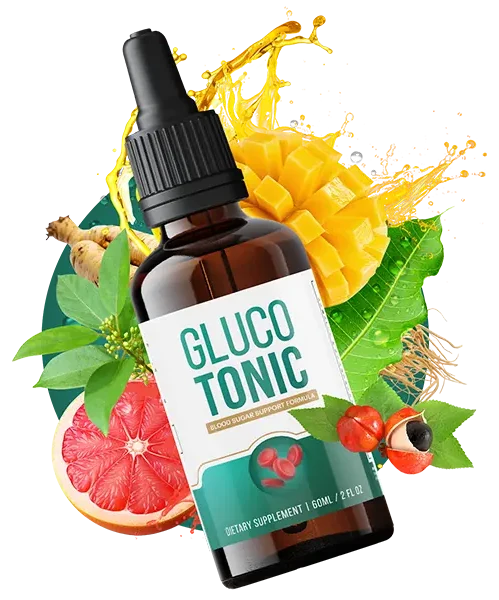 GlucoTonic#1 in blood sugar support GlucoTonic#1 in blood sugar support | Liquid drops1 ml | Not printedIn a 200 mg proprietary blend | 9.9 | $49 | Check price |
 Sugar Defender#3 in blood sugar support Sugar Defender#3 in blood sugar support | Liquid drops1 ml | Not printedIn a 200 mg proprietary blend | 9.5 | $49 | Check price |
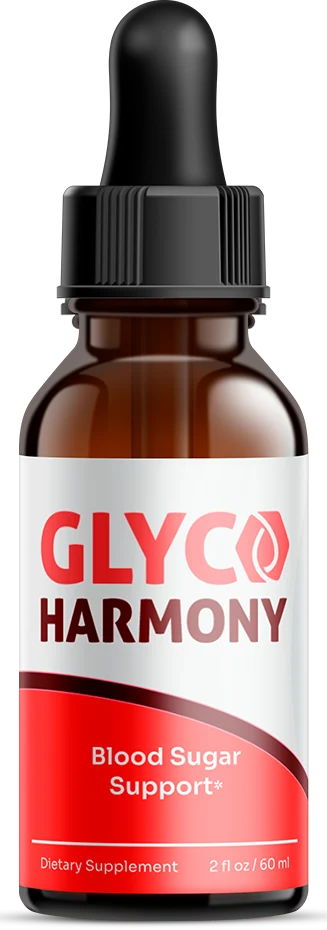 Glyco Harmony#5 in blood sugar support Glyco Harmony#5 in blood sugar support | Liquid drops1 ml | Not printedIn a 200 mg proprietary blend | 9.3 | $49 | Check price |
Questions people ask
What is astragalus root?
Astragalus root comes from the flowering plant Astragalus membranaceus, also known as milk vetch. The NIH says its root has been used for centuries in traditional Chinese medicine, often with other herbs.
Is astragalus an adaptogen?
Yes, the NIH says astragalus is considered an adaptogen, a natural substance thought to help the body resist physical, environmental and emotional stress.
Does astragalus cause side effects?
The NIH says taking up to 60 grams a day for as long as 4 months does not seem to cause side effects. Little is known about its safety during pregnancy or breastfeeding.
Who should check before taking astragalus?
People who are pregnant or breastfeeding should ask a clinician before starting astragalus. Little is known about its safety in these situations, and animal research suggests it can be toxic to the fetus.
Which supplements we reviewed contain astragalus?
GlucoTonic, Sugar Defender and Glyco Harmony all list astragalus. Each is a liquid supplement with a 1 ml serving and a 200 mg proprietary blend that includes astragalus. None prints the individual astragalus amount.
Also in these products
- African mangoIn 3 of the same products
- Beta-alanineIn 3 of the same products
- Cayenne pepper (capsicum)In 3 of the same products
- ChromiumIn 3 of the same products
- Coleus forskohliiIn 3 of the same products
- EleutheroIn 3 of the same products
- GABAIn 3 of the same products
- Grape seed extractIn 3 of the same products
Sources
The products, amounts and prices come from each product's label and checkout, as its review shows them. AI drafts our pages from listed sources, figures are checked against them, and we have not tried the products.
- 1NIH National Center for Complementary and Integrative Health, Astragalus: Usefulness and Safetynccih.nih.gov/healthchecked