L-glutamine explained: what it is and side effects
Glutamine is the most abundant amino acid in muscle and blood, and your body makes it mainly from branched-chain amino acids. Protein-containing foods also supply it, and the NIH says it helps the body produce energy. Three products we reviewed list L-glutamine, and none prints its individual amount.
- What it is
- Amino acid
- Amounts the NIH names
- Daily oral amounts of 0.21 to 0.42 grams per kilogram of body weight have been used, equivalent to 15 to 30 grams a day for a person weighing 154 pounds.
- In the products we reviewed
- 3, none prints the amount
What L-glutamine is
- The body makes glutamine mainly from branched-chain amino acids, and foods containing protein also supply it.1
- Glutamine is the most abundant amino acid in muscle and blood.1
- Glutamine helps the body produce energy and supplies nitrogen for many important chemical reactions.1
- The body uses L-glutamine to make proteins in nearly all tissues and organs.2
- L-glutamine is available as Endari powder in packets containing 5 grams.2
Foods that have it1
- protein-containing foods
How much L-glutamine each product gives
NIH: 15,000 mg to 30,000 mg per dose
Amount not printed: the dashed line shows the most it can be, the whole blend
Before you take it
Side effects
- Possible side effects include tiredness, muscle and back pain, headache, abdominal pain, nausea, constipation, cough, and chest pain not caused by the heart.2
Ask a doctor first
- People with advanced cirrhosis should ask a doctor before using glutamine because it can worsen related brain function problems.2
These statements have not been evaluated by the FDA. A supplement is not a medicine.
The 3 products we reviewed that list L-glutamine
| Product | Form and serving | L-glutamine per serving | Our score | Price a bottle | Buy |
|---|---|---|---|---|---|
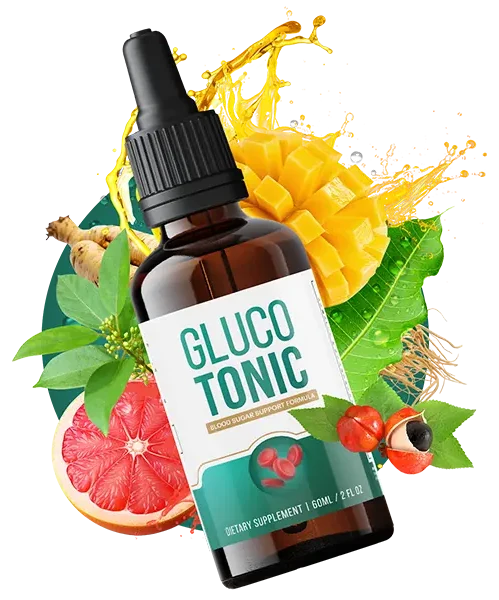 GlucoTonic#1 in blood sugar support GlucoTonic#1 in blood sugar support | Liquid drops1 ml | Not printedIn a 200 mg proprietary blend | 9.9 | $49 | Check price |
 Sugar Defender#3 in blood sugar support Sugar Defender#3 in blood sugar support | Liquid drops1 ml | Not printedIn a 200 mg proprietary blend | 9.5 | $49 | Check price |
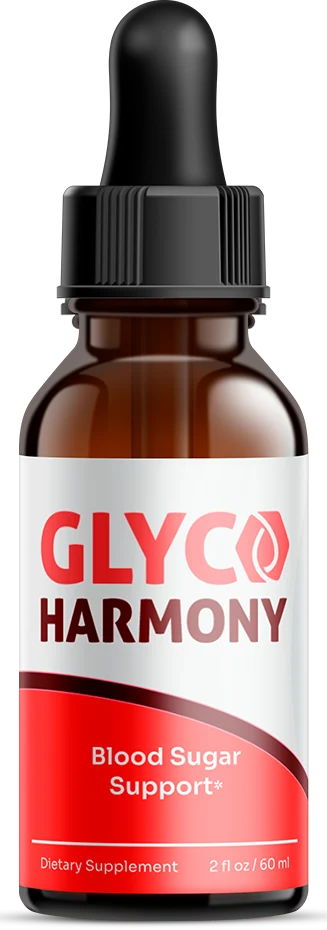 Glyco Harmony#5 in blood sugar support Glyco Harmony#5 in blood sugar support | Liquid drops1 ml | Not printedIn a 200 mg proprietary blend | 9.3 | $49 | Check price |
Questions people ask
Is L-glutamine an amino acid?
Yes, glutamine is the most abundant amino acid in muscle and blood. The NIH says the body uses L-glutamine to make proteins in nearly all tissues and organs. It also supplies nitrogen for many important chemical reactions.
What foods contain L-glutamine?
Protein-containing foods supply L-glutamine. Your body also makes glutamine mainly from branched-chain amino acids.
How much L-glutamine should I take per day?
0.21 to 0.42 grams per kilogram of body weight are daily oral amounts that have been used. These figures describe amounts used, not a recommendation for you. Ask a clinician before starting.
What are the side effects of L-glutamine?
Possible side effects include tiredness, muscle and back pain, headache, abdominal pain, nausea, constipation, cough, and chest pain not caused by the heart. Ask a clinician before starting.
Can L-glutamine cause constipation?
Yes, constipation is a possible side effect of L-glutamine. Nausea and abdominal pain are also possible side effects.
Which products we reviewed contain L-glutamine, and how much?
GlucoTonic, Sugar Defender and Glyco Harmony list L-glutamine. Each lists it inside a 200 mg proprietary blend per 1 ml serving, but none prints the individual L-glutamine amount. The 200 mg figure is for the blend, not L-glutamine alone.
Also in these products
Sources
The products, amounts and prices come from each product's label and checkout, as its review shows them. AI drafts our pages from listed sources, figures are checked against them, and we have not tried the products.
- 1NIH Office of Dietary Supplements, ExerciseAndAthleticPerformance HealthProfessionalods.od.nih.gov/factsheetschecked
- 2NIH LiverTox, L-Glutaminencbi.nlm.nih.gov/bookschecked