L-arginine explained: what it is and its food sources
The NIH says arginine is an amino acid involved in processing protein, making creatine, and handling urea in the body. Your body makes it from citrulline, mainly in the kidneys, and food sources include animal products and nuts. 11 of the products we reviewed list L-arginine, and four labels print its amount, from 50 mg to 1000 mg per serving.
- What it is
- Amino acid
- In the products we reviewed
- 11, 4 print the amount
What L-arginine is
- Arginine can come from dietary protein sources such as animal-based foods and nuts.1
- Arginine is an amino acid involved in processing protein, making creatine, and handling urea in the body.1
- Your body also makes arginine from citrulline, mainly in the kidneys.2
- Arginine is used to make nitric oxide, which helps nerve cells communicate and blood vessels widen.1
- Arginine is available as a dietary supplement.1
Foods that have it2
- Animal products
- Nuts
Works with
- Glycine. The liver and kidneys use glycine and arginine to make creatine.1
How much L-arginine each product gives
Amount not printed: the dashed line shows the most it can be, the whole blend
Before you take it
Ask a doctor first
- The safety of taking high-dose arginine supplements for more than 3 months is unknown.2
These statements have not been evaluated by the FDA. A supplement is not a medicine.
The 11 products we reviewed that list L-arginine
| Product | Form and serving | L-arginine per serving | Our score | Price a bottle | Buy |
|---|---|---|---|---|---|
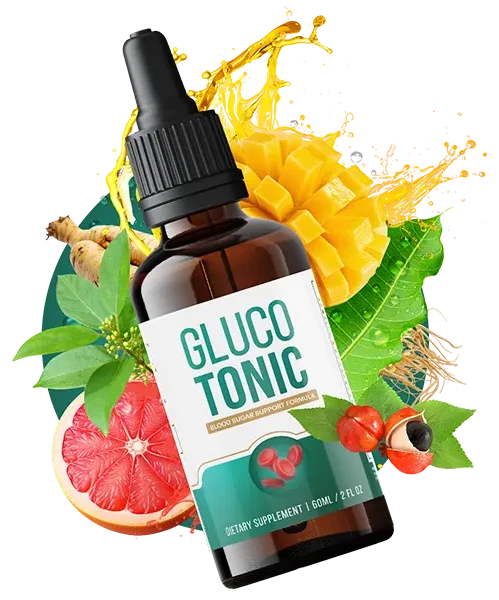 GlucoTonic#1 in blood sugar support | Liquid drops1 ml | Not printedIn a 200 mg proprietary blend | 9.9 | $49 | Check price |
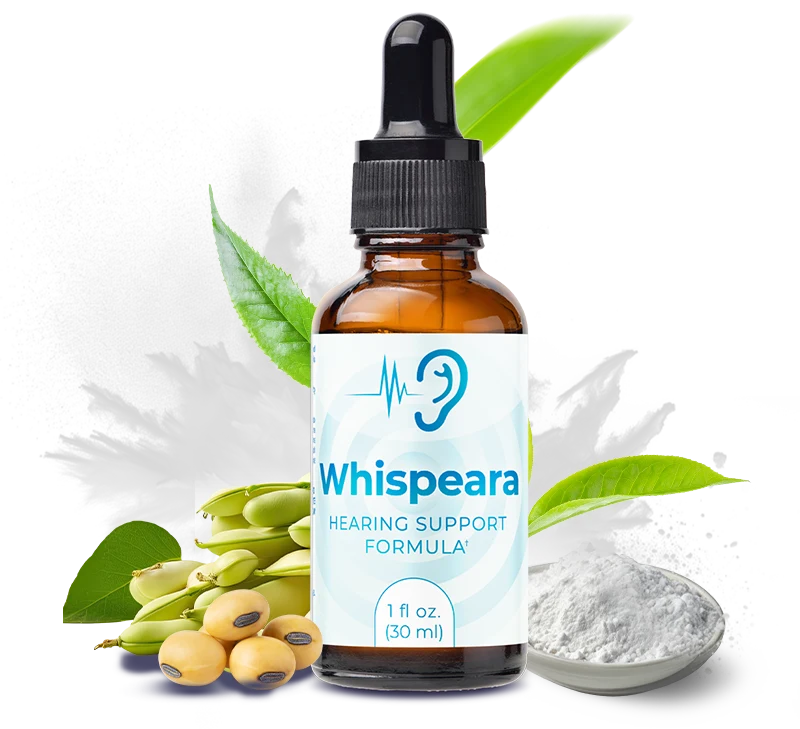 Whispeara#1 in hearing support | Liquid drops1 ml | Not printedIn a 200 mg proprietary blend | 9.9 | $49 | Check price |
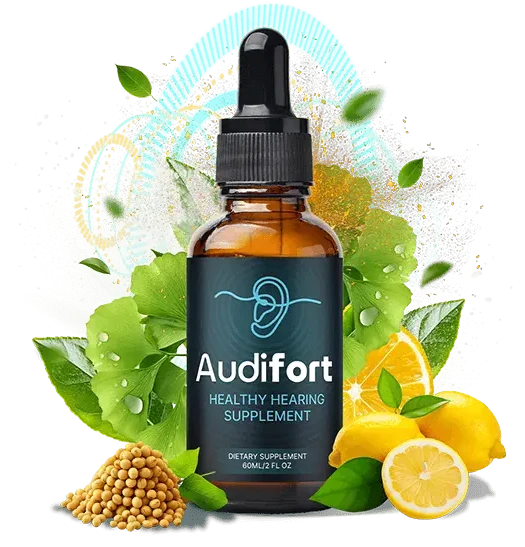 Audifort#2 in hearing support | Liquid drops1 ml | Not printedIn a 200 mg proprietary blend | 9.8 | $49 | Check price |
 NeuroQuiet#3 in hearing support | Oral spray6 sprays | Not printedIn the 1000 ng HGA Blend | 9.7 | $49 | Check price |
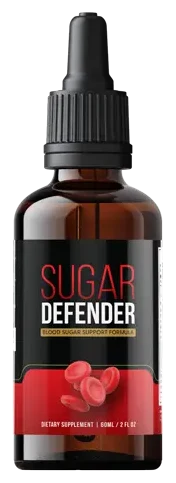 Sugar Defender#3 in blood sugar support | Liquid drops1 ml | Not printedIn a 200 mg proprietary blend | 9.5 | $49 | Check price |
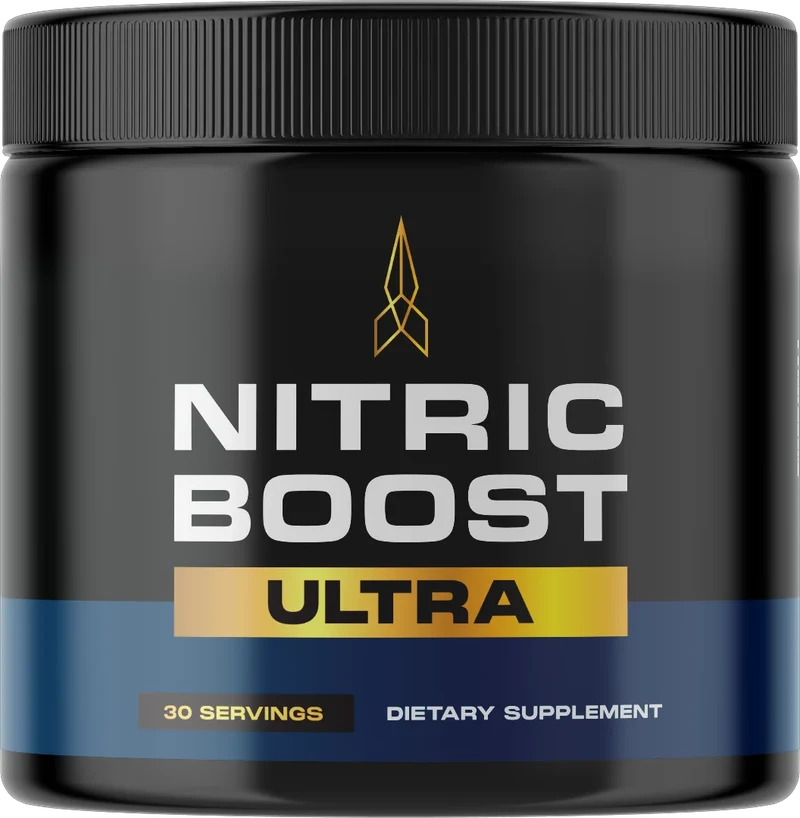 Nitric Boost Ultra#2 in men's health support | Powder1 scoop (4.2 g) | 1,000 mg | 9.4 | $49 a jar | Check price |
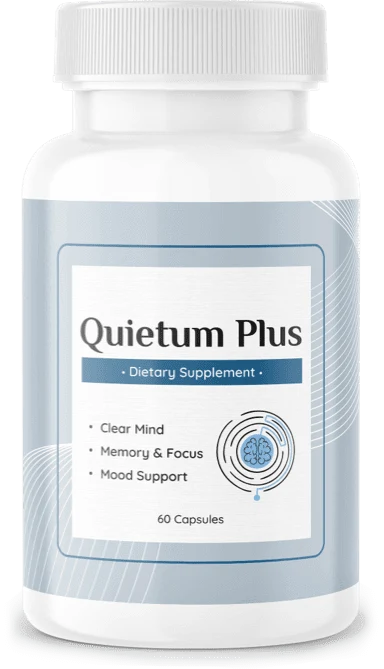 Quietum Plus#4 in hearing support | Capsules2 capsules | 100 mg | 9.4 | $49 | Check price |
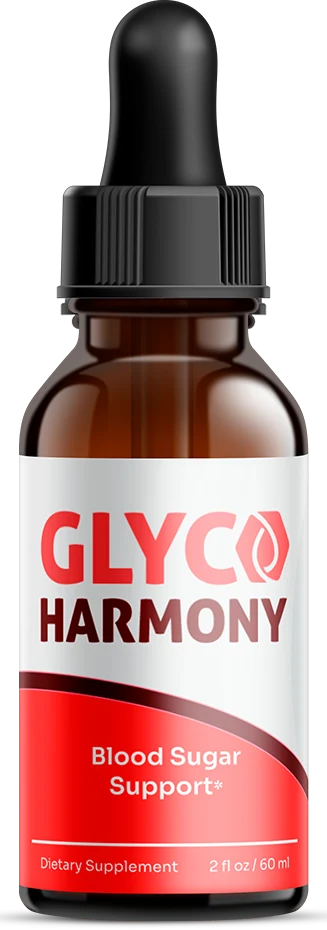 Glyco Harmony#5 in blood sugar support | Liquid drops1 ml | Not printedIn a 200 mg proprietary blend | 9.3 | $49 | Check price |
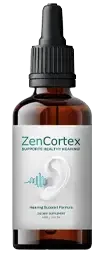 ZenCortex#5 in hearing support | Liquid drops1 ml | Not printedIn a 200 mg proprietary blend | 9.3 | $49 | Check price |
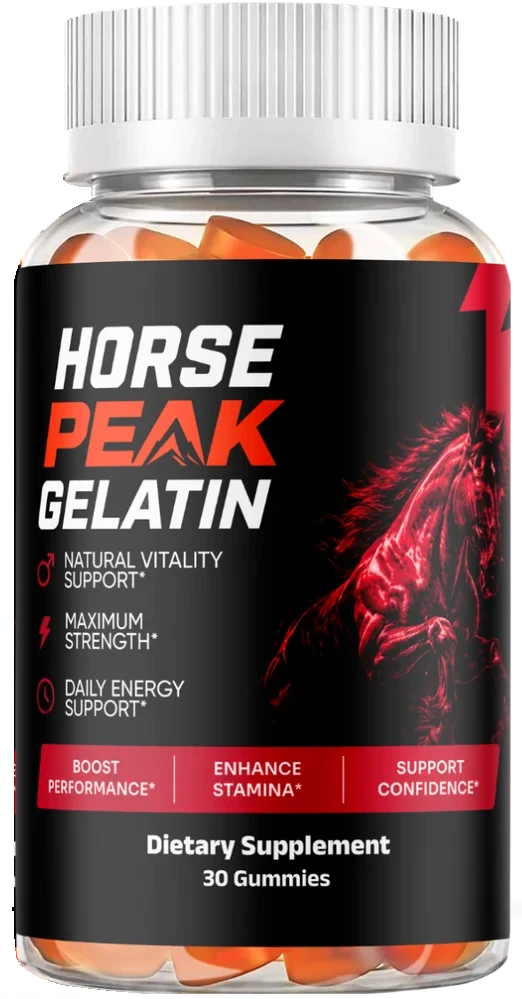 Horse Peak Gelatin#4 in men's health support | Gummies1 gummy | 50 mg | 9.2 | $49 | Check price |
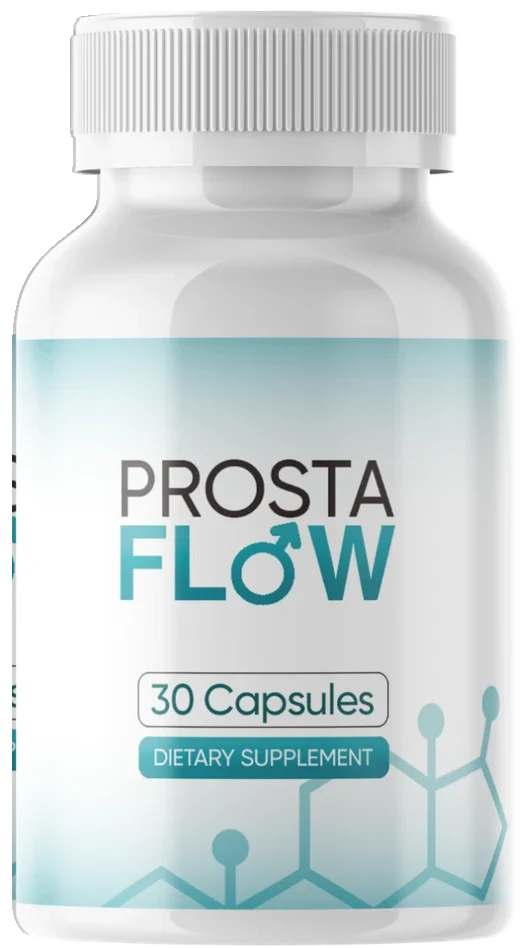 ProstaFlow#4 in prostate health support | Capsules1 capsule | 200 mg | 9.1 | $49 | Check price |
Questions people ask
What is L-arginine?
The NIH says arginine is an amino acid involved in processing protein, making creatine, and handling urea in the body. Arginine is used to make nitric oxide, which helps nerve cells communicate and blood vessels widen.
What foods contain L-arginine?
Animal products and nuts are dietary protein sources of L-arginine.
How are L-arginine and L-citrulline connected?
The NIH says your body also makes arginine from citrulline, mainly in the kidneys.
Is L-arginine safe to take?
The safety of taking high-dose arginine supplements for more than three months is unknown. Ask a clinician before starting.
Which supplements we reviewed contain l-arginine?
11 of the products we reviewed list L-arginine. Nitric Boost Ultra prints 1000 mg per serving, ProstaFlow 200 mg, Quietum Plus 100 mg and Horse Peak Gelatin 50 mg. GlucoTonic, Whispeara, Audifort, NeuroQuiet, Sugar Defender, Glyco Harmony and ZenCortex list it within blends without printing its individual amount.
Also in these products
Sources
The products, amounts and prices come from each product's label and checkout, as its review shows them. AI drafts our pages from listed sources, figures are checked against them, and we have not tried the products.
- 1NIH Office of Dietary Supplements, Dietary Supplements for Primary Mitochondrial Disorders, Fact Sheet for Health Professionalsods.od.nih.gov/factsheetschecked
- 2NIH Office of Dietary Supplements, Dietary Supplements for Exercise and Athletic Performance, Fact Sheet for Health Professionalsods.od.nih.gov/factsheetschecked