L-carnitine explained: what it is and side effects
L-carnitine is a form of carnitine, a nutrient your body makes in the liver, kidneys and brain from lysine and methionine. The NIH says carnitine helps turn the food you eat into the energy you need, and your body normally makes all it needs, so experts have not set a recommended daily amount. Four products we reviewed list L-carnitine, but none of their labels print its individual amount.
- Amounts the NIH names
- About 3 mg to 5,000 mg in supplements
- In the products we reviewed
- 4, none prints the amount
What L-carnitine is
- The body makes carnitine in the liver, kidneys and brain from two amino acids, lysine and methionine.2
- Carnitine is a nutrient found in many foods, and the body also makes it.1
- Carnitine helps turn the food you eat into the energy you need.1
- Carnitine helps carry long-chain fatty acids into the mitochondria, where they are used to produce energy.2
- Red meat is a good source of carnitine, and poultry, fish and dairy have some.1
- Healthy people make all the carnitine they need, so experts have not set a recommended daily amount.1
- The two main forms of carnitine in supplements are L-carnitine and acetyl-L-carnitine.1
- Carnitine supplements seem to be safe at up to 2 g a day for 1 year or 4 g a day for 56 days.3
Foods that have it2
- Beef steak
- Ground beef
- Whole milk
- Codfish
- Chicken breast
- Ice cream
- Cheddar cheese
Works with
- Vitamin C. The body needs vitamin C to make L-carnitine.4
How much L-carnitine each product gives
NIH: 3 mg to 5,000 mg per dose
Amount not printed: the dashed line shows the most it can be, the whole blend
Before you take it
If you take medicines
- Pivampicillin and other pivalate antibiotics
- Long-term use of these antibiotics can lower the amount of carnitine in the body.1
- Valproic acid, phenobarbital, phenytoin and carbamazepine (seizure medicines)
- These medicines lower blood levels of carnitine.2
- Cyclosporine
- Cyclosporine can lower carnitine levels by making the body pass carnitine out in urine.5
- Omeprazole, the antibiotic levofloxacin and the cancer medicines etoposide, actinomycin D and vinblastine
- These medicines can get in the way of how cells take in carnitine, which can lead to low carnitine.5
Side effects
- Some research suggests gut bacteria turn unabsorbed carnitine into TMAO, which might raise the risk of heart and blood vessel disease.2
Ask a doctor first
- Taking 3 grams or more a day can cause nausea, vomiting, stomach cramps, diarrhea and a fishy body odor.1
- High amounts can cause muscle weakness in people with chronic kidney disease and raise the risk of seizures in people with a seizure disorder.1
- Some antibiotics, such as pivampicillin, and anticonvulsants, such as phenobarbital and valproic acid, can lower carnitine levels in the body.1
- People who take medicines regularly should discuss their carnitine intake with their health care providers.2
These statements have not been evaluated by the FDA. A supplement is not a medicine.
The 4 products we reviewed that list L-carnitine
| Product | Form and serving | L-carnitine per serving | Our score | Price a bottle | Buy |
|---|---|---|---|---|---|
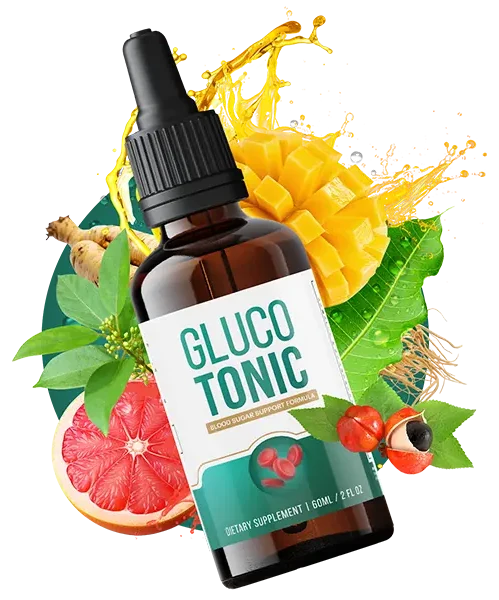 GlucoTonic#1 in blood sugar support GlucoTonic#1 in blood sugar support | Liquid drops1 ml | Not printedIn a 200 mg proprietary blend | 9.9 | $49 | Check price |
 Sugar Defender#3 in blood sugar support Sugar Defender#3 in blood sugar support | Liquid drops1 ml | Not printedIn a 200 mg proprietary blend | 9.5 | $49 | Check price |
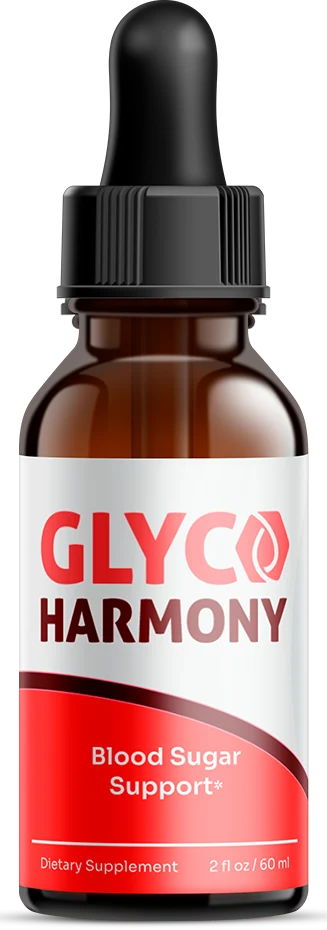 Glyco Harmony#5 in blood sugar support Glyco Harmony#5 in blood sugar support | Liquid drops1 ml | Not printedIn a 200 mg proprietary blend | 9.3 | $49 | Check price |
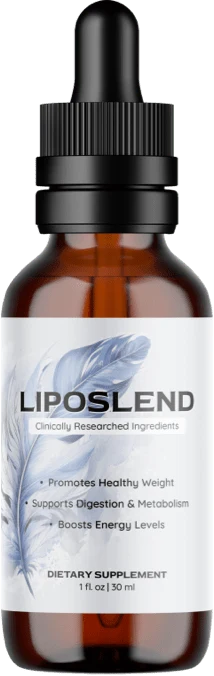 LipoSlend#8 in weight loss support LipoSlend#8 in weight loss support | Liquid drops1 ml | Not printedIn a 500 mg proprietary blend | 8.8 | $49 | Check price |
Questions people ask
What is L-carnitine?
L-carnitine is one of the two main forms of carnitine in supplements. The NIH says carnitine helps carry long-chain fatty acids into the mitochondria, where they are used to produce energy. Your body makes carnitine from two amino acids, lysine and methionine.
What foods have L-carnitine?
Red meat is a good source of carnitine, and poultry, fish and dairy have some. Food sources include beef steak, ground beef, whole milk, codfish, chicken breast, ice cream and cheddar cheese.
How much L-carnitine do adults need per day?
The body normally makes all the carnitine it needs, so experts have not set a recommended daily amount.
What are the side effects of L-carnitine?
Taking 3 grams or more of carnitine a day can cause nausea, vomiting, stomach cramps, diarrhea and a fishy body odor. Ask a clinician before starting.
Is L-carnitine safe to take?
Carnitine supplements seem to be safe at up to 2 g a day for one year or 4 g a day for 56 days, according to the NIH. Ask a clinician before starting.
Which products we reviewed contain L-carnitine, and how much?
GlucoTonic, Sugar Defender, Glyco Harmony and LipoSlend list L-carnitine, but none prints its individual amount. In GlucoTonic, Sugar Defender and Glyco Harmony, it is inside a 200 mg proprietary blend per serving. In LipoSlend, it is inside a 500 mg proprietary blend per serving, so these totals are blend amounts, not L-carnitine amounts.
Also in these products
Sources
The products, amounts and prices come from each product's label and checkout, as its review shows them. AI drafts our pages from listed sources, figures are checked against them, and we have not tried the products.
- 1NIH Office of Dietary Supplements, Carnitine Fact Sheet for Consumersods.od.nih.gov/factsheetschecked
- 2NIH Office of Dietary Supplements, Carnitine Fact Sheet for Health Professionalsods.od.nih.gov/factsheetschecked
- 3NIH Office of Dietary Supplements, Dietary Supplements for Weight Loss, Fact Sheet for Consumersods.od.nih.gov/factsheetschecked
- 4NIH Office of Dietary Supplements, Vitamin C Fact Sheet for Health Professionalsods.od.nih.gov/factsheetschecked
- 5NIH Office of Dietary Supplements, Dietary Supplements for Primary Mitochondrial Disorders, Fact Sheet for Health Professionalsods.od.nih.gov/factsheetschecked