Gymnema explained: what it is and what to check
Gymnema comes from Gymnema sylvestre, a flowering vine native to Asia, Africa and Australia. The NIH identifies gymnemic acids as its most distinctive compounds, among more than 50 compounds found through chemical analyses. Six products we reviewed list gymnema, but none prints its individual amount.
- What it is
- Plant
- Amounts the NIH names
- 400 mg three times a day, the typical recommended dose
- In the products we reviewed
- 6, none prints the amount
What gymnema is
- Gymnema comes from Gymnema sylvestre, a flowering vine native to Asia, Africa and Australia whose leaves, fruits and seeds have been used in traditional medicine.1
- Gymnema is also known as Australian cow plant, periploca, miracle plant and gumar.1
- Chemical analyses have found more than 50 compounds in gymnema, the most distinctive being several gymnemic acids, which are triterpene saponins.1
- Its other compounds include flavones, anthraquinones, alkaloids, phytin, resins and tannins.1
- In lab studies, gymnemic acids bind to and block human sweet taste receptors, and animal and human studies suggest they can dull the taste of sweet things.1
- Gymnema extracts are sold over the counter in many forms and strengths, including raw powders and capsules, alone or mixed with other herbs or supplements.1
- Gymnema products are not well standardized for purity or strength.1
How much gymnema each product gives
NIH: 400 mg per dose
Amount not printed: the dashed line shows the most it can be, the whole blend
Before you take it
Side effects
- Side effects at usual doses are uncommon but may include nausea, stomach discomfort, diarrhea, headaches and rash.1
- In small, short clinical studies, side effects were usually uncommon and minimal, with no changes in liver blood tests.1
- Liver injury from herbal products with gymnema has been reported in rare cases, but the link to the herb was usually weak.1
Ask a doctor first
- Over the last 25 years there have been rare, isolated reports of liver injury in people taking gymnema.1
- Liver injury from gymnema may be more frequent and more severe at higher doses or in people who already have liver disease.1
- The effects of long-term use and of higher doses of gymnema have not been studied in people.1
These statements have not been evaluated by the FDA. A supplement is not a medicine.
The 6 products we reviewed that list gymnema
| Product | Form and serving | Gymnema per serving | Our score | Price a bottle | Buy |
|---|---|---|---|---|---|
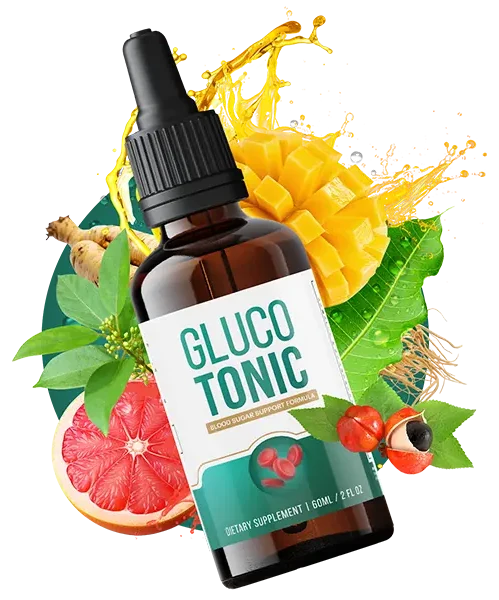 GlucoTonic#1 in blood sugar support GlucoTonic#1 in blood sugar support | Liquid drops1 ml | Not printedIn a 200 mg proprietary blend | 9.9 | $49 | Check price |
 Insufend#2 in blood sugar support Insufend#2 in blood sugar support | Capsules1 capsule | Not printedIn a 525 mg proprietary blend | 9.6 | $49 | Check price |
 Sugar Defender#3 in blood sugar support Sugar Defender#3 in blood sugar support | Liquid drops1 ml | Not printedIn a 200 mg proprietary blend | 9.5 | $49 | Check price |
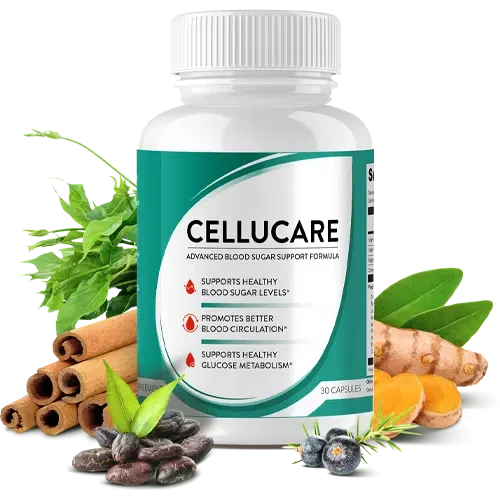 Cellucare#4 in blood sugar support Cellucare#4 in blood sugar support | Capsules1 capsule | Not printedIn a 528 mg proprietary blend | 9.4 | $49 | Check price |
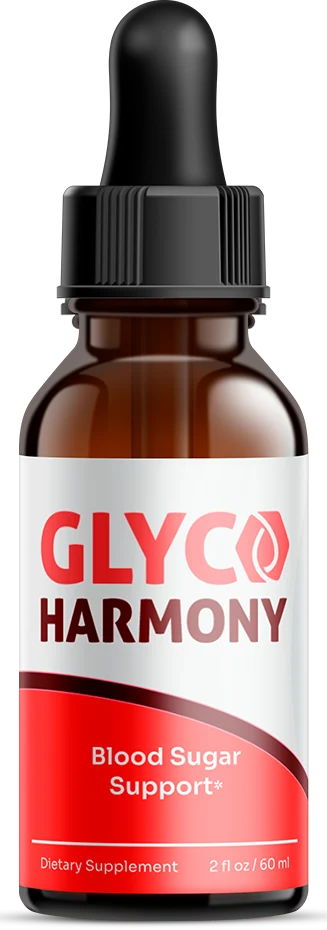 Glyco Harmony#5 in blood sugar support Glyco Harmony#5 in blood sugar support | Liquid drops1 ml | Not printedIn a 200 mg proprietary blend | 9.3 | $49 | Check price |
 GlucoTrust#6 in blood sugar support GlucoTrust#6 in blood sugar support | Capsules1 capsule | Not printedIn a 207.7 mg proprietary blend | 8.9 | $49 | Check price |
Questions people ask
What is gymnema sylvestre?
Gymnema sylvestre is a flowering vine native to Asia, Africa and Australia. Its leaves, fruits and seeds have been used traditionally, and gymnema extracts are sold as raw powders, capsules and mixtures with other herbs or supplements.
What does gymnema do in the body?
The NIH says gymnemic acids bind to and block human sweet taste receptors in lab studies. Animal and human studies suggest they can dull the taste of sweet things.
What is gymnema sylvestre's common name?
Gymnema is also known as Australian cow plant, periploca and gumar, according to the NIH.
What are the side effects of gymnema sylvestre?
Side effects at usual doses are uncommon but may include nausea, stomach discomfort, diarrhea, headaches and rash. Rare cases of liver injury from herbal products containing gymnema have been reported, but the link to the herb was usually weak.
Is gymnema sylvestre safe?
Gymnema's long-term use and higher doses have not been studied in people. Products are not well standardized for purity or strength, and rare, isolated reports of liver injury have occurred in people taking gymnema. Ask a clinician before starting.
Which supplements we reviewed contain gymnema?
GlucoTonic, Insufend, Sugar Defender, Cellucare, Glyco Harmony and GlucoTrust list gymnema, but none prints its individual amount. It sits inside a 200 mg proprietary blend in GlucoTonic, Sugar Defender and Glyco Harmony. The blend totals are 525 mg in Insufend, 528 mg in Cellucare and 207.7 mg in GlucoTrust, not amounts of gymnema alone.
Also in these products
- ChromiumIn 6 of the same products
- EleutheroIn 5 of the same products
- Cayenne pepper (capsicum)In 4 of the same products
- Green tea extractIn 4 of the same products
- African mangoIn 3 of the same products
- AstragalusIn 3 of the same products
- Beta-alanineIn 3 of the same products
- CinnamonIn 3 of the same products
Sources
The products, amounts and prices come from each product's label and checkout, as its review shows them. AI drafts our pages from listed sources, figures are checked against them, and we have not tried the products.
- 1NIH LiverTox, Gymnemancbi.nlm.nih.gov/bookschecked