Vitamin E explained: what it is and side effects
Vitamin E is the name for eight related compounds found naturally in foods and added to some fortified foods. The NIH says it acts as an antioxidant that helps protect cells from damage caused by free radicals, and adults need 15 mg a day. Two products we reviewed list vitamin E, and both print 15 mg per serving.
- What it is
- Vitamin
- What adults need a day
- 15 mg
- Upper limit
- 1,000 mg a day from supplements of natural or synthetic vitamin E.
- In the products we reviewed
- 2, every label prints the amount
What vitamin E is
- Vitamin E occurs naturally in foods and is also added to some fortified foods.1
- Vitamin E is the name for eight related compounds in food, including alpha-tocopherol.1
- Vitamin E acts as an antioxidant that helps protect cells from damage caused by free radicals.1
- Cells use vitamin E to communicate with each other and carry out important functions.1
- Natural vitamin E is commonly labeled d-alpha-tocopherol, while laboratory-made vitamin E is commonly labeled dl-alpha-tocopherol.1
- Alpha-tocopherol is the only form of vitamin E recognized as meeting human needs.2
- Vitamin E comes as tablets, capsules, oral liquids, and intravenous solutions used for nutrition.3
- The digestive system needs some fat to absorb vitamin E.1
Foods that have it1
- Wheat germ oil
- Sunflower oil
- Safflower oil
- Corn oil
- Soybean oil
- Peanuts
- Hazelnuts
- Almonds
- Sunflower seeds
- Spinach
- Broccoli
- Fortified breakfast cereals
- Fortified fruit juices
- Fortified margarines and spreads
How much vitamin E each product gives
Adults need 15 mg a day
Before you take it
If you take medicines
- Anticoagulant or antiplatelet medicines, such as warfarin (Coumadin)
- Vitamin E can increase bleeding risk when taken with anticoagulant or antiplatelet medicines, such as warfarin (Coumadin).1
- Simvastatin (Zocor) and niacin
- Vitamin E combined with vitamin C, selenium, and beta-carotene can interfere with the effects of simvastatin (Zocor) taken with niacin.2
- Chemotherapy or radiation therapy
- Taking antioxidant supplements during chemotherapy or radiation therapy could change how well these treatments work.1
Side effects
- High doses of supplemental vitamin E might increase bleeding risk, including serious bleeding in the brain.1
Ask a doctor first
- Adults should keep supplemental vitamin E within the upper limit of 1,000 mg a day, whether the form is natural or synthetic.1
- People who take medicines regularly should discuss their vitamin E intake with a healthcare provider.2
- During breastfeeding, daily vitamin E from prenatal multivitamins can safely increase milk vitamin E modestly, but higher daily doses have not been studied.4
These statements have not been evaluated by the FDA. A supplement is not a medicine.
The 2 products we reviewed that list vitamin E
| Product | Form and serving | Vitamin E per serving | Our score | Price a bottle | Buy |
|---|---|---|---|---|---|
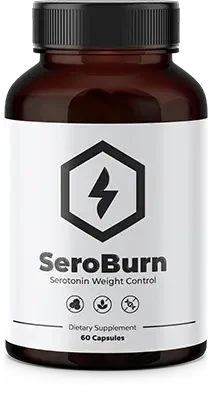 SeroBurn#3 in weight loss support SeroBurn#3 in weight loss support | Capsules2 capsules | 15 mg100% of daily need | 9.3 | $49 | Check price |
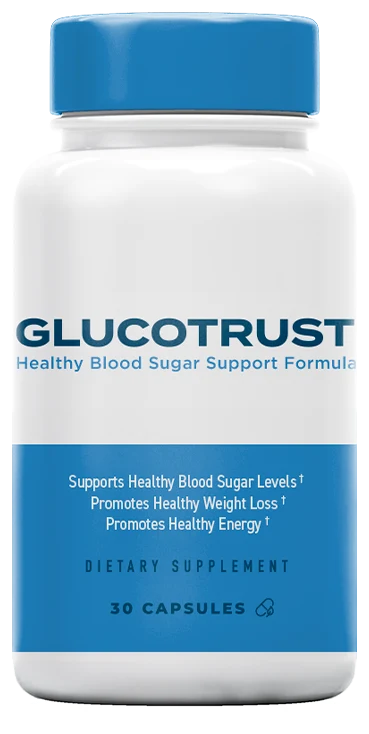 GlucoTrust#6 in blood sugar support GlucoTrust#6 in blood sugar support | Capsules1 capsule | 15 mg100% of daily need | 8.9 | $49 | Check price |
Questions people ask
What is vitamin E?
Vitamin E is the name for eight related compounds in food, including alpha-tocopherol. The NIH says it acts as an antioxidant that helps protect cells from damage caused by free radicals. Cells also use vitamin E to communicate with each other and carry out important functions.
What foods have vitamin E?
Vitamin E occurs naturally in vegetable oils, nuts, seeds, spinach and broccoli. Sources include wheat germ oil, sunflower oil, almonds, peanuts and sunflower seeds. It is also added to some fortified breakfast cereals, fruit juices, margarines and spreads.
How much vitamin E do adults need per day?
Adults need 15 mg of vitamin E a day. The recommended daily amount is also 15 mg during pregnancy and 19 mg during breastfeeding. Ask a clinician before starting a supplement during pregnancy or breastfeeding.
Can vitamin E supplements cause bleeding?
Yes, high doses of supplemental vitamin E might increase bleeding risk, including serious bleeding in the brain. Ask a clinician before starting a vitamin E supplement.
How much vitamin E is too much?
The adult upper limit is 1,000 mg a day from vitamin E supplements, whether natural or synthetic. High doses might increase bleeding risk. Ask a clinician before starting a supplement.
Which supplements we reviewed contain vitamin E?
SeroBurn and GlucoTrust both list 15 mg of vitamin E per serving, or 100% of the Daily Value. SeroBurn prints that amount for 2 capsules, while GlucoTrust prints it for 1 capsule.
Sources
The products, amounts and prices come from each product's label and checkout, as its review shows them. AI drafts our pages from listed sources, figures are checked against them, and we have not tried the products.
- 1NIH Office of Dietary Supplements, Vitamin E - Consumerods.od.nih.gov/factsheetschecked
- 2NIH Office of Dietary Supplements, Vitamin E - Health Professionalods.od.nih.gov/factsheetschecked
- 3NIH LiverTox, Vitamin Encbi.nlm.nih.gov/bookschecked
- 4NIH LactMed, Vitamin Encbi.nlm.nih.gov/bookschecked