Niacin explained: what it is and side effects
Niacin is a nutrient that the NIH says helps your body turn food into energy, occurs naturally in many foods, and can be made from tryptophan, a building block of protein. Adults age 19 and older need 16 mg NE daily for men and 14 mg NE for women. One product we reviewed lists niacin, and its label prints 18 mg per serving.
- What it is
- Vitamin
- What adults need a day (ages 19 and older)
- 16 mg NE for men, 14 mg NE for women
- In the products we reviewed
- 1, its label prints the amount
What niacin is
- Niacin is naturally present in many foods and is also added to some foods.2
- Niacin helps your body turn food into energy.2
- Niacin is important for the growth and function of your body's cells.2
- Your body can make niacin from tryptophan, a building block of protein.2
- The two main supplement forms are nicotinic acid and nicotinamide.2
- Niacin is available in multivitamin and mineral products, B-complex supplements, and niacin-only supplements.1
- Some niacin supplements use inositol hexanicotinate and are labeled flush free because they do not cause skin flushing.1
Foods that have it2
- Poultry
- Beef
- Pork
- Fish
- Some nuts
- Legumes
- Grains
- Enriched and fortified breads
- Enriched and fortified cereals
Works with
- Iron, riboflavin, and vitamin B6. Your body needs iron, riboflavin, and vitamin B6 to turn tryptophan into niacin.2
How much niacin each product gives
Adults need 14 to 16 mg a day
Before you take it
If you take medicines
- diabetes medications
- Nicotinic acid at 1,500 mg per day or more can raise blood sugar and interfere with diabetes medications.2
Side effects
- Nicotinic acid flushing can also come with headaches, rashes, and dizziness.2
- Long-term nicotinic acid use, especially extended-release forms, can cause liver problems, including hepatitis and liver failure.2
- Nicotinamide at 500 mg per day or more can cause diarrhea, easy bruising, and more bleeding from wounds.2
- Nicotinamide at 3,000 mg per day or more can cause nausea, vomiting, and liver damage.2
Ask a doctor first
- The daily upper limit for niacin from supplements is 35 mg for adults age 19 and older.2
- Tell your doctor and pharmacist about the supplements and medicines you take.2
These statements have not been evaluated by the FDA. A supplement is not a medicine.
The product we reviewed that lists niacin
| Product | Form and serving | Niacin per serving | Our score | Price a bottle | Buy |
|---|---|---|---|---|---|
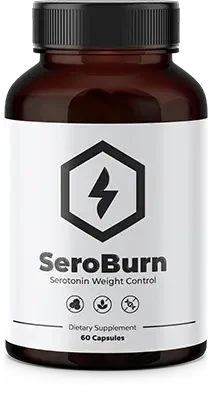 SeroBurn#3 in weight loss support SeroBurn#3 in weight loss support | Capsules2 capsules | 18 mg113% of daily need | 9.3 | $49 | Check price |
Questions people ask
What is niacin?
Niacin is a nutrient that helps your body turn food into energy. The NIH says it is important for the growth and function of your body's cells. Its two main supplement forms are nicotinic acid and nicotinamide.
What foods contain niacin?
Poultry, beef, pork, fish, some nuts, legumes, and grains contain niacin. Enriched and fortified breads and cereals also provide it. Niacin occurs naturally in many foods and is added to some foods.
How much niacin do adults need per day?
Men age 19 and older need 16 mg NE of niacin daily, and women age 19 and older need 14 mg NE. These are the recommended daily amounts.
How much niacin is too much?
The daily upper limit for niacin from supplements is 35 mg for adults age 19 and older. Some niacin-only supplements contain 500 mg or more per serving, much more than the recommended daily amount. Tell your doctor and pharmacist about everything you take, and ask a clinician before starting.
What are niacin's side effects?
Nicotinic acid can cause flushing with headaches, rashes, and dizziness, and long-term use, especially extended-release forms, can cause serious liver problems. Nicotinamide at 500 mg per day or more can cause diarrhea, easy bruising, and more bleeding from wounds. At 3,000 mg per day or more, nicotinamide can cause nausea, vomiting, and liver damage.
Which supplements we reviewed contain niacin?
SeroBurn is the only product we reviewed that lists niacin. Its label prints 18 mg per serving of 2 capsules, listed as 115% of the daily value.
Sources
The products, amounts and prices come from each product's label and checkout, as its review shows them. AI drafts our pages from listed sources, figures are checked against them, and we have not tried the products.
- 1NIH Office of Dietary Supplements, Niacin - Health Professionalods.od.nih.gov/factsheetschecked
- 2NIH Office of Dietary Supplements, Niacin Consumerods.od.nih.gov/factsheetschecked