Selenium explained: what it is and side effects
Selenium is a nutrient your body needs and occurs naturally in many foods, especially foods containing protein. The NIH says your thyroid gland needs selenium to make hormones and work properly, and the recommended daily amount for adults is 55 mcg. One product we reviewed lists selenium, and its label prints 55 mcg per serving.
- What it is
- Mineral
- What adults need a day
- 55 mcg
- Upper limit
- 400 mcg
- In the products we reviewed
- 1, its label prints the amount
What selenium is
- Selenium occurs naturally in many foods, especially foods containing protein.1
- Selenium is a nutrient your body needs to stay healthy.1
- Your thyroid gland needs selenium to make hormones and work properly.1
- Selenium is needed for reproduction, making DNA, and helping protect cells.1
- Common supplement forms include selenomethionine, selenium-enriched yeast, sodium selenite, and sodium selenate.2
- Selenium comes in multivitamin and mineral supplements, combination supplements, and selenium-only supplements.2
- The Supplement Facts label tells you how much selenium a product contains.1
Foods that have it1
- Fish and other seafood
- Beef
- Pork
- Poultry
- Eggs
- Dairy products
- Breads
- Cereals
- Other grain products
- Beans
- Lentils
- Nuts
How much selenium each product gives
Adults need 55 mcg a day
Before you take it
If you take medicines
- cisplatin
- Cisplatin can lower selenium levels, but the effect on the body is unclear.1
Side effects
- Too much selenium can cause garlic breath, a metallic taste, hair loss, brittle nails or nail loss, a rash, nausea, diarrhea, extreme tiredness, irritability, and nervous system problems.1
- Very high amounts can cause severe stomach and nervous system problems, breathing difficulty, tremors, lightheadedness, flushing, muscle tenderness, and serious kidney or heart problems.1
Ask a doctor first
- The adult daily upper limit is 400 mcg, counting selenium from food, beverages, and supplements.1
- Eating too many Brazil nuts can put you over the selenium upper limit.1
- Tell your doctor or pharmacist about the supplements and medicines you take.1
These statements have not been evaluated by the FDA. A supplement is not a medicine.
The product we reviewed that lists selenium
| Product | Form and serving | Selenium per serving | Our score | Price a bottle | Buy |
|---|---|---|---|---|---|
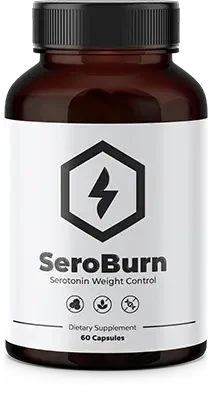 SeroBurn#3 in weight loss support SeroBurn#3 in weight loss support | Capsules2 capsules | 55 mcg100% of daily need | 9.3 | $49 | Check price |
Questions people ask
What is selenium?
Selenium is a nutrient your body needs. The NIH says it is needed for reproduction, making DNA, and helping protect cells. Your thyroid gland also needs selenium to make hormones and work properly.
What foods have selenium?
Selenium occurs naturally in many foods, especially foods containing protein. Sources include fish and other seafood, beef, pork, poultry, eggs, dairy products, beans, lentils, and nuts. Breads, cereals, and other grain products also contain selenium.
How much selenium do adults need per day?
Adults need 55 mcg of selenium a day, the recommended daily amount for both men and women. The NIH says selenium-only supplements typically contain 100 to 400 mcg, so check the Supplement Facts label for the amount.
How much selenium is too much?
400 mcg a day is the adult upper limit for selenium from food, beverages, and supplements combined. Eating too many Brazil nuts can put you over that limit. Ask a clinician before starting a selenium supplement, and tell them about the supplements you take.
What are the side effects of too much selenium?
Too much selenium can cause garlic breath, a metallic taste, hair loss, brittle nails or nail loss, a rash, nausea, and diarrhea. It can also cause extreme tiredness, irritability, and nervous system problems. Very high amounts can cause breathing difficulty and serious kidney or heart problems.
Which products we reviewed contain selenium?
SeroBurn is the only product we reviewed that lists selenium. Its label prints 55 mcg per serving of 2 capsules, which is 100% of the Daily Value.
Sources
The products, amounts and prices come from each product's label and checkout, as its review shows them. AI drafts our pages from listed sources, figures are checked against them, and we have not tried the products.
- 1NIH Office of Dietary Supplements, Selenium Consumerods.od.nih.gov/factsheetschecked
- 2NIH Office of Dietary Supplements, Selenium - Health Professionalods.od.nih.gov/factsheetschecked