Calcium explained: what it is and side effects
The NIH says calcium is a mineral the body needs to build and maintain strong bones, found in foods such as milk, yogurt and kale and sold as a supplement. Adults need 1,000 to 1,200 mg a day, depending on age and sex. Two products we reviewed list calcium, and both labels print amounts, ranging from 130 mg to 146 mg per serving.
- What it is
- Mineral
- What adults need a day (ages 19 and older)
- 1,000 to 1,200 mg
- Upper limit
- 2,000 to 2,500 mg from food, drinks and supplements together
- In the products we reviewed
- 2, every label prints the amount
What calcium is
- Calcium is found in some foods, added to others, present in some medicines such as antacids, and sold as a dietary supplement.2
- Calcium is a mineral the body needs to build and maintain strong bones and to carry out many important functions.1
- Calcium is the most abundant mineral in the body, and almost all of it is stored in bones and teeth, where it gives them structure and hardness.1
- The body needs calcium for muscles to move and for nerves to carry messages, and calcium also helps blood vessels move blood and helps release hormones.1
- The two main forms of calcium in supplements are calcium carbonate and calcium citrate, and calcium carbonate is absorbed best when taken with food.1
- Calcium citrate is absorbed well on an empty or a full stomach, and people with low levels of stomach acid, most often older people, absorb it more easily than calcium carbonate.1
- The Supplement Facts panel lists the amount of elemental calcium, so there is no need to work out how much calcium each form supplies.2
- Calcium is absorbed best in amounts of 500 mg or less at one time, so 1,000 mg a day from supplements is better taken as a smaller dose twice a day.1
Foods that have it1
- Milk
- Yogurt
- Cheese
- Canned sardines with bones
- Canned salmon with bones
- Kale
- Broccoli
- Chinese cabbage (bok choi)
Works with
- Vitamin D. Vitamin D helps the body absorb calcium.1
How much calcium each product gives
Adults need 1,000 to 1,200 mg a day
Before you take it
If you take medicines
- Dolutegravir (Dovato, Tivicay), an HIV medicine
- Calcium supplements taken at the same time can leave less dolutegravir in the blood, so the NIH says to take dolutegravir 2 hours before or 6 hours after calcium.1
- Levothyroxine (thyroid medicine)
- Levothyroxine is not absorbed well when taken within 4 hours of a calcium carbonate supplement.1
- Lithium (Eskalith, Lithobid)
- Long-term use of lithium, or lithium taken with calcium supplements, can lead to abnormally high calcium levels in the blood.1
If you take other supplements
- Iron and zinc
- High intakes of calcium might interfere with how the body absorbs iron and zinc, although this effect is not well established.3
Side effects
- Calcium supplements might cause gas, bloating and constipation in some people, and spreading the dose through the day, taking it with meals or switching to another form can help.1
- Calcium carbonate appears to cause more of these digestive side effects than calcium citrate, especially in older adults with less stomach acid.2
- High levels of calcium in the blood and urine can cause problems such as poor muscle tone, poor kidney function, nausea and abnormal heart rhythms, but they are usually caused by a health condition, not by high calcium intakes.1
- Some research suggests that high calcium intakes might raise the risk of heart disease and prostate cancer.1
Ask a doctor first
- Higher intakes of calcium from supplements might raise the risk of kidney stones.2
These statements have not been evaluated by the FDA. A supplement is not a medicine.
The 2 products we reviewed that list calcium
| Product | Form and serving | Calcium per serving | Our score | Price a bottle | Buy |
|---|---|---|---|---|---|
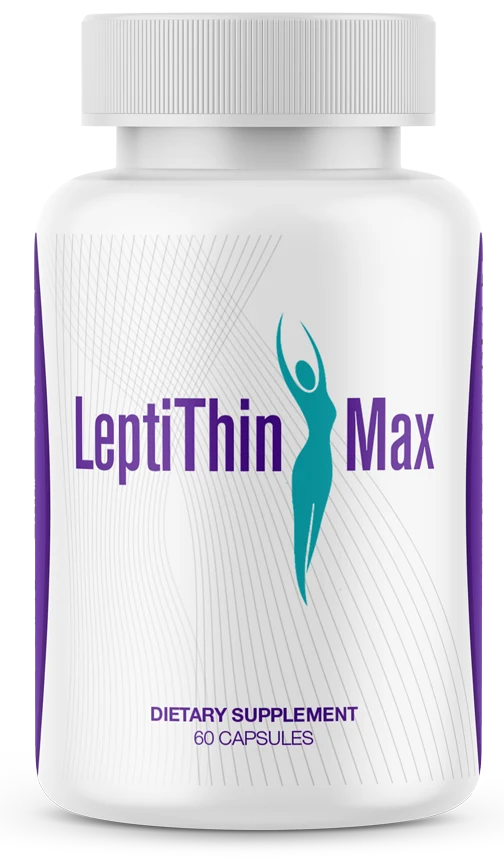 LeptiThinMax#1 in weight loss support LeptiThinMax#1 in weight loss support | Capsules2 capsules | 146 mg12% of daily need | 9.6 | $39 | Check price |
 SeroBurn#3 in weight loss support SeroBurn#3 in weight loss support | Capsules2 capsules | 130 mg11% of daily need | 9.3 | $49 | Check price |
Questions people ask
What foods have calcium?
Milk, yogurt, cheese, canned sardines and canned salmon with bones all contain calcium. Plant sources include kale, broccoli and Chinese cabbage, also called bok choi.
How much calcium do adults need per day?
1,000 to 1,200 mg a day is the recommended calcium intake for adults 19 and older, depending on age and sex. The adult upper limit is 2,000 to 2,500 mg a day from food, drinks and supplements together. Count all these sources when checking your daily intake.
What's the difference between calcium carbonate and calcium citrate?
Calcium carbonate is absorbed best with food, while calcium citrate is absorbed well on an empty or a full stomach. These are the two main forms of calcium in supplements. People with low stomach acid absorb calcium citrate more easily than calcium carbonate.
What does vitamin D do for calcium?
Vitamin D helps the body absorb calcium. The NIH says the body needs calcium for muscles to move and for nerves to carry messages.
Can calcium supplements cause constipation?
Yes, calcium supplements might cause constipation, gas and bloating in some people. Calcium carbonate appears to cause more of these digestive side effects than calcium citrate. Spreading the dose through the day, taking it with meals or switching forms can help.
Which products we reviewed contain calcium, and how much?
LeptiThinMax lists 146 mg of calcium per serving, and SeroBurn lists 130 mg. Each serving is 2 capsules, and both labels list calcium at 11% of the Daily Value. The NIH says the Supplement Facts panel lists elemental calcium, so you do not need to calculate how much calcium each form supplies.
Sources
The products, amounts and prices come from each product's label and checkout, as its review shows them. AI drafts our pages from listed sources, figures are checked against them, and we have not tried the products.
- 1NIH Office of Dietary Supplements, Calcium Fact Sheet for Consumersods.od.nih.gov/factsheetschecked
- 2NIH Office of Dietary Supplements, Calcium Fact Sheet for Health Professionalsods.od.nih.gov/factsheetschecked
- 3NIH Office of Dietary Supplements, Dietary Supplements for Weight Loss, Fact Sheet for Health Professionalsods.od.nih.gov/factsheetschecked