L-citrulline explained: what it is and where it comes from
L-citrulline is an amino acid your body makes mainly from glutamine, according to the NIH, and it can also come from food such as watermelon. Three products we reviewed list L-citrulline, and two labels print its amount, from 100 mg to 1250 mg per serving.
- What it is
- Amino acid
- Amounts the NIH names
- Studies used up to 9 grams of citrulline for one day or 6 grams per day for up to 16 days.
- In the products we reviewed
- 3, 2 print the amount
What L-citrulline is
- Citrulline is made in the body mainly from glutamine and can also come from food.2
- Your body produces citrulline mainly from the amino acid glutamine.1
- A cup of diced seedless watermelon contains about 365 mg of citrulline.2
- Citrulline takes part in the body's urea cycle and is used to make arginine.1
- Your kidneys convert most citrulline into another amino acid called arginine.3
- Your body converts the arginine made from citrulline into nitric oxide, which widens blood vessels.3
- Supplements provide citrulline either on its own or as citrulline malate.2
Foods that have it2
- Watermelon
How much L-citrulline each product gives
NIH: 9,000 mg per dose
Amount not printed: the dashed line shows the most it can be, the whole blend
Before you take it
The 3 products we reviewed that list L-citrulline
| Product | Form and serving | L-citrulline per serving | Our score | Price a bottle | Buy |
|---|---|---|---|---|---|
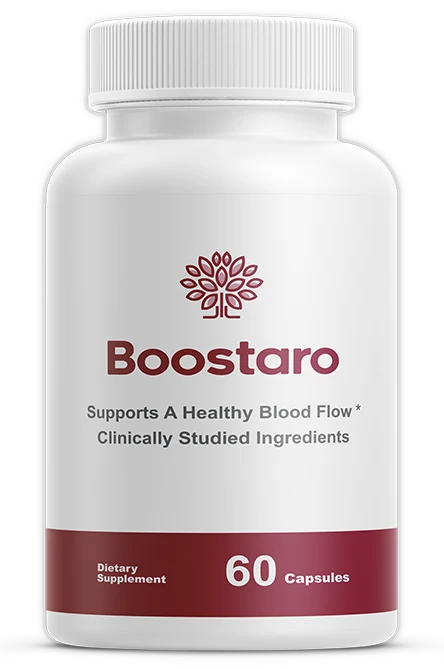 Boostaro#1 in men's health support | Capsules2 capsules | Not printedIn a 645 mg proprietary blend | 9.7 | $49 | Check price |
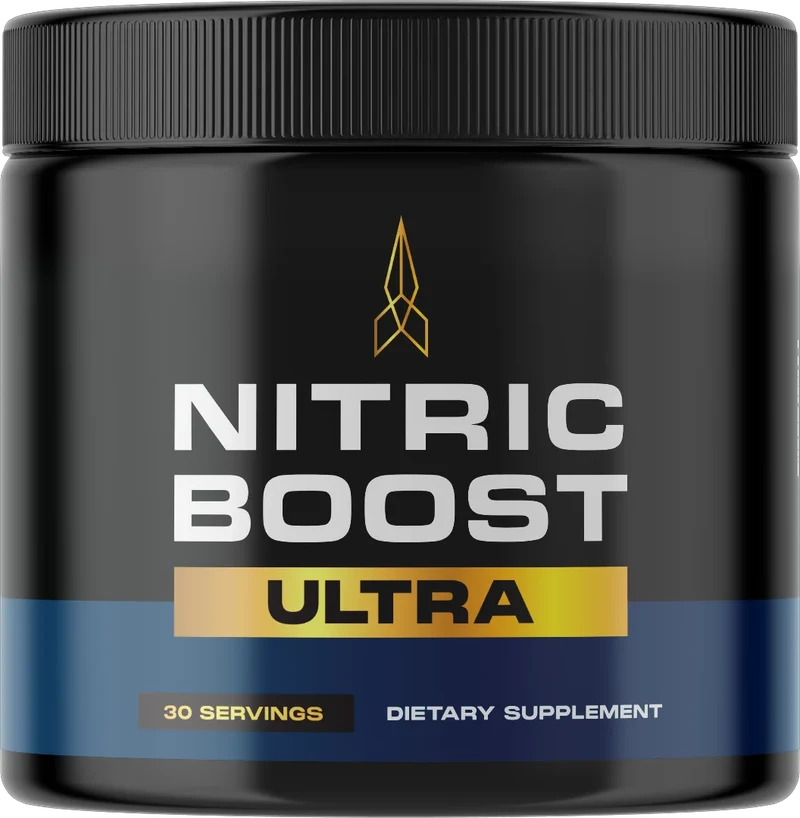 Nitric Boost Ultra#2 in men's health support | Powder1 scoop (4.2 g) | 1,250 mg | 9.4 | $49 a jar | Check price |
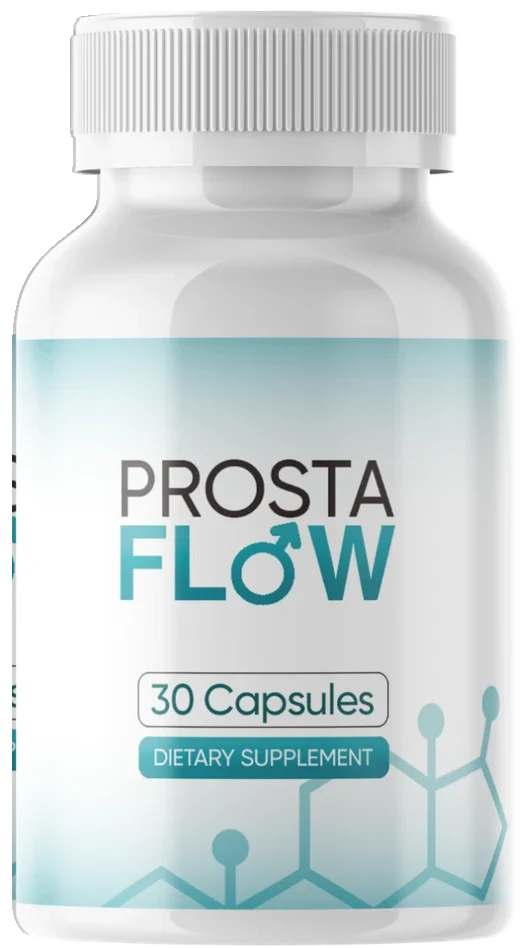 ProstaFlow#4 in prostate health support | Capsules1 capsule | 100 mg | 9.1 | $49 | Check price |
Questions people ask
What is L-citrulline, and what does it do in the body?
L-citrulline is an amino acid your body produces mainly from glutamine, according to the NIH. The NIH says citrulline takes part in the body's urea cycle and is used to make arginine. It also says your body converts the arginine made from citrulline into nitric oxide, which widens blood vessels.
What foods have L-citrulline?
Watermelon contains citrulline. The NIH says a cup of diced seedless watermelon contains about 365 mg of citrulline.
How much L-citrulline should I take per day?
The NIH describes studies using up to 9 grams of citrulline for 1 day or 6 grams per day for up to 16 days. These are study doses, not a personal dosing recommendation. Ask a clinician before starting.
What are L-citrulline's side effects, and is it safe?
L-citrulline can cause stomach discomfort. The safety of taking citrulline supplements for months at a time has not been adequately studied. Ask a clinician before starting.
Which supplements we reviewed contain L-citrulline?
Boostaro, Nitric Boost Ultra and ProstaFlow list L-citrulline. Nitric Boost Ultra prints 1250 mg per scoop, and ProstaFlow prints 100 mg per capsule. Boostaro lists it within a 645 mg proprietary blend without printing its separate amount.
Also in these products
Sources
The products, amounts and prices come from each product's label and checkout, as its review shows them. AI drafts our pages from listed sources, figures are checked against them, and we have not tried the products.
- 1NIH Office of Dietary Supplements, Dietary Supplements for Primary Mitochondrial Disorders, Fact Sheet for Health Professionalsods.od.nih.gov/factsheetschecked
- 2NIH Office of Dietary Supplements, Dietary Supplements for Exercise and Athletic Performance, Fact Sheet for Health Professionalsods.od.nih.gov/factsheetschecked
- 3NIH Office of Dietary Supplements, Dietary Supplements for Exercise and Athletic Performance, Fact Sheet for Consumersods.od.nih.gov/factsheetschecked