Vitamin C explained: what it is and side effects
Vitamin C, also called ascorbic acid, is a water-soluble nutrient that must come from food because your body cannot make it. Adults ages 19 and older need 90 mg a day for men and 75 mg for women. Three products we reviewed list vitamin C, and all three print the amount: 50 mg to 125 mg per serving.
- What it is
- Vitamin
- What adults need a day (ages 19 and older)
- 90 mg for men, 75 mg for women
- Upper limit
- 2,000 mg from food, drinks and supplements together
- In the products we reviewed
- 3, every label prints the amount
What vitamin C is
- Vitamin C comes from food, because the human body cannot make it.2
- Vitamin C, also known as ascorbic acid, is a water-soluble nutrient found in some foods.1
- Unlike most animals, humans cannot make vitamin C, so it must come from the diet.2
- In the body, vitamin C acts as an antioxidant that helps protect cells from damage caused by free radicals.1
- Supplements usually contain ascorbic acid, and some use sodium ascorbate, calcium ascorbate, other mineral ascorbates or ascorbic acid with bioflavonoids.1
- Fruits and vegetables are the best sources of vitamin C.1
Foods that have it2
- Citrus fruits
- Red peppers
- Green peppers
- Kiwifruit
- Broccoli
- Strawberries
- Brussels sprouts
Works with
- Iron. Vitamin C helps the body absorb iron from plant foods.1
- Vitamin E. Vitamin C helps the body regenerate other antioxidants, including vitamin E.2
- L-carnitine. The body needs vitamin C to make L-carnitine.2
- Chromium. Vitamin C (ascorbic acid) helps the body absorb more chromium.3
- Alpha-lipoic acid. Alpha-lipoic acid helps the body regenerate vitamin C.4
How much vitamin C each product gives
Adults need 75 to 90 mg a day
Before you take it
If you take medicines
Side effects
- Kidney stones and extra iron absorption are concerns with high intakes, but they are not generally a risk for healthy people.2
Ask a doctor first
- Too much vitamin C can cause diarrhea, nausea and stomach cramps.1
- In people with hemochromatosis, a condition where the body stores too much iron, high doses of vitamin C could worsen iron overload.1
- People being treated for cancer should check with their health care provider before taking vitamin C, especially in high doses.1
These statements have not been evaluated by the FDA. A supplement is not a medicine.
The 3 products we reviewed that list vitamin C
| Product | Form and serving | Vitamin C per serving | Our score | Price a bottle | Buy |
|---|---|---|---|---|---|
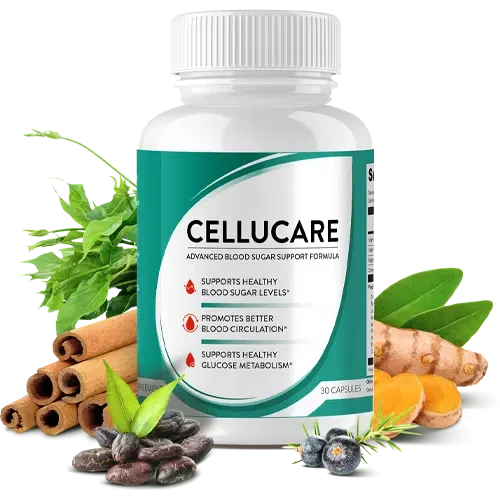 Cellucare#4 in blood sugar support Cellucare#4 in blood sugar support | Capsules1 capsule | 90 mg100% of daily need | 9.4 | $49 | Check price |
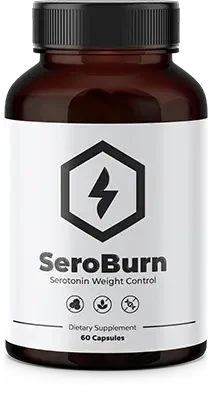 SeroBurn#3 in weight loss support SeroBurn#3 in weight loss support | Capsules2 capsules | 125 mg139% of daily need | 9.3 | $49 | Check price |
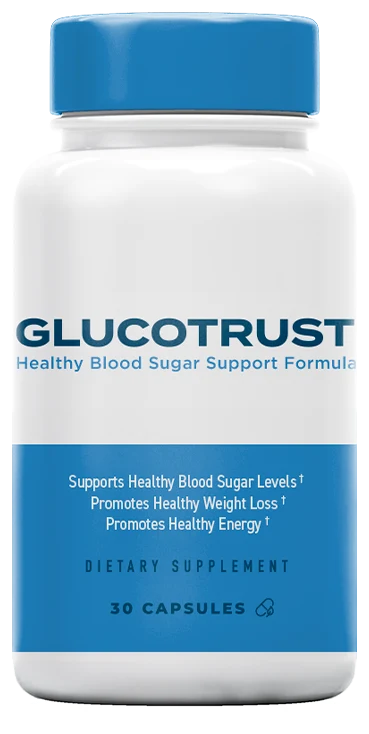 GlucoTrust#6 in blood sugar support GlucoTrust#6 in blood sugar support | Capsules1 capsule | 50 mg56% of daily need | 8.9 | $49 | Check price |
Questions people ask
Is vitamin C water soluble?
Yes, vitamin C is a water-soluble nutrient, also known as ascorbic acid. The NIH says it acts as an antioxidant that helps protect cells from damage caused by free radicals.
What foods have vitamin C?
Fruits and vegetables are the best sources of vitamin C. Sources include citrus fruits, red and green peppers, kiwifruit, broccoli, strawberries and Brussels sprouts.
How much vitamin C do I need per day?
Men ages 19 and older need 90 mg of vitamin C a day, and women ages 19 and older need 75 mg. These are the recommended dietary allowances.
How much vitamin C is too much?
The adult daily upper limit for vitamin C is 2,000 mg from food, drinks and supplements combined. Too much can cause diarrhea, nausea and stomach cramps. Ask a clinician before starting a vitamin C supplement.
Does vitamin C help with iron absorption?
Yes, vitamin C helps the body absorb iron from plant foods. Extra iron absorption is a concern with high intakes, though it is not generally a risk for people who are otherwise well.
Which products we reviewed contain vitamin C?
Cellucare, SeroBurn and GlucoTrust all list vitamin C and print its amount. Cellucare lists 90 mg per serving of one capsule, SeroBurn lists 125 mg per serving of two capsules, and GlucoTrust lists 50 mg per serving of one capsule.
Also in these products
Sources
The products, amounts and prices come from each product's label and checkout, as its review shows them. AI drafts our pages from listed sources, figures are checked against them, and we have not tried the products.
- 1NIH Office of Dietary Supplements, Vitamin C Fact Sheet for Consumersods.od.nih.gov/factsheetschecked
- 2NIH Office of Dietary Supplements, Vitamin C Fact Sheet for Health Professionalsods.od.nih.gov/factsheetschecked
- 3NIH Office of Dietary Supplements, Chromium Fact Sheet for Health Professionalsods.od.nih.gov/factsheetschecked
- 4NIH Office of Dietary Supplements, Dietary Supplements for Primary Mitochondrial Disorders, Fact Sheet for Health Professionalsods.od.nih.gov/factsheetschecked