Vitamin D explained: sources, daily needs and safety
The NIH says vitamin D is a nutrient that helps the body absorb calcium, one of the main building blocks for strong bones. It comes from foods, supplements and skin exposed to sunlight, and adults need 15 to 20 mcg (600 to 800 IU) daily, depending on age. Two products we reviewed list vitamin D, and both print amounts: 25 µg and 50 µg per serving.
- What it is
- Vitamin
- What adults need a day (ages 19 and older)
- 15 to 20 mcg (600 to 800 IU)
- Upper limit
- 100 mcg (4,000 IU) from food, drinks and supplements together
- In the products we reviewed
- 2, every label prints the amount
What vitamin D is
- Vitamin D is in a few foods, is added to others and is sold as a supplement, and the skin also makes it when sunlight strikes it.2
- Vitamin D is a nutrient the body needs for good health.1
- Vitamin D helps the body absorb calcium, one of the main building blocks for strong bones.1
- Muscles need vitamin D to move, and nerves need it to carry messages between the brain and the body.1
- Vitamin D from the sun, food and supplements is inactive until the body changes it twice to make it active.2
- Supplements hold vitamin D in two forms, D2 (ergocalciferol) and D3 (cholecalciferol). Both raise vitamin D in the blood, but D3 might raise it higher and for longer.1
- Vitamin D is fat soluble, so it is best absorbed when taken with a meal or snack that has some fat.1
- The NIH lists vitamin D amounts in micrograms (mcg) and International Units (IU), and 1 mcg of vitamin D equals 40 IU.2
Foods that have it2
- Fatty fish
- Fish liver oils
- Beef liver
- Egg yolks
- Cheese
- Fortified milk
- Fortified breakfast cereals
Works with
- Calcium. Vitamin D helps the body absorb calcium in the gut and keeps calcium and phosphate in the blood at the levels bones need to mineralize normally.2
How much vitamin D each product gives
Adults need 15 to 20 mcg a day
Before you take it
If you take medicines
- Orlistat (Xenical and alli), a weight-loss medicine
- Orlistat can lessen how much vitamin D gets absorbed from food and supplements.1
- Statins such as atorvastatin (Lipitor), lovastatin (Altoprev and Mevacor) and simvastatin (FloLipid and Zocor)
- These statins might not work as well when taken with high-dose vitamin D supplements.1
- Steroids such as prednisone (Deltasone, Rayos and Sterapred)
- These steroids can bring down blood levels of vitamin D.1
- Thiazide diuretics (such as Hygroton, Lozol and Microzide)
- Taken with vitamin D supplements, these diuretics could raise blood calcium too high.1
If you take other supplements
- Calcium supplements
- Taking calcium supplements together with vitamin D supplements may raise the risk of some adverse effects.2
Side effects
- Very high blood levels of vitamin D can cause nausea, vomiting, muscle weakness, confusion, pain, dehydration and kidney stones, among other effects.1
- Extremely high levels of vitamin D can cause kidney failure, an irregular heartbeat and even death.1
- Sunshine cannot give you too much vitamin D, because the skin limits how much it makes.1
Ask a doctor first
- High blood levels of vitamin D are almost always caused by taking too much vitamin D from supplements.1
These statements have not been evaluated by the FDA. A supplement is not a medicine.
The 2 products we reviewed that list vitamin D
| Product | Form and serving | Vitamin D per serving | Our score | Price a bottle | Buy |
|---|---|---|---|---|---|
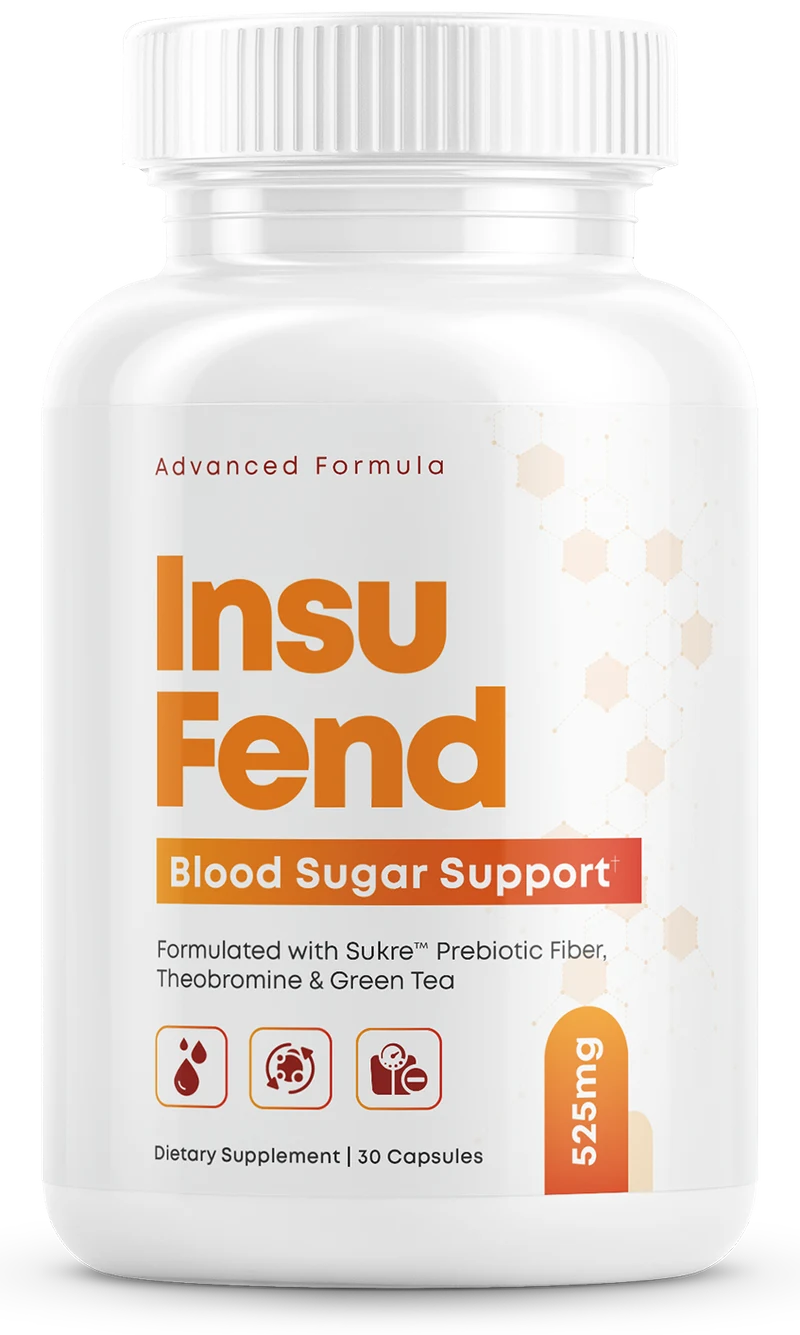 Insufend#2 in blood sugar support Insufend#2 in blood sugar support | Capsules1 capsule | 50 mcg250% of daily need | 9.6 | $49 | Check price |
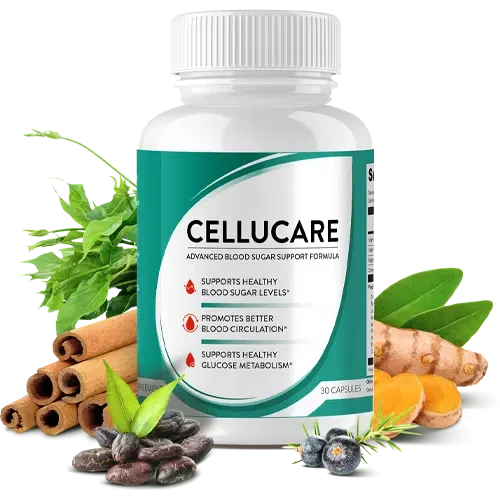 Cellucare#4 in blood sugar support Cellucare#4 in blood sugar support | Capsules1 capsule | 25 mcg125% of daily need | 9.4 | $49 | Check price |
Questions people ask
Is vitamin D3 the same as vitamin D?
Vitamin D3, or cholecalciferol, is one form of vitamin D found in supplements. The other is D2, or ergocalciferol. The NIH says both raise vitamin D in the blood, but D3 might raise it higher and for longer.
What foods have vitamin D?
Fatty fish, fish liver oils, beef liver, egg yolks and cheese contain vitamin D. Fortified milk and fortified breakfast cereals also provide it.
How much vitamin D should I take daily?
Adults ages 19 to 70 need 15 mcg (600 IU) of vitamin D daily, while adults 71 and older need 20 mcg (800 IU). The adult daily upper limit is 100 mcg (4,000 IU) from food, drinks and supplements combined. Ask a clinician before adding a vitamin D supplement.
Can I take vitamin D with calcium supplements?
Taking vitamin D with calcium supplements may raise the risk of some adverse effects. Vitamin D helps the body absorb calcium. Ask a clinician before starting them together.
What are the side effects of too much vitamin D?
Very high blood levels of vitamin D can cause nausea, vomiting, muscle weakness, confusion, pain, dehydration and kidney stones. High blood levels are almost always caused by taking too much vitamin D from supplements. Ask a clinician before starting a vitamin D supplement.
Which products we reviewed contain vitamin D, and how much?
Insufend and Cellucare both list vitamin D and print its amount on the label. Insufend lists 50 µg per serving, and Cellucare lists 25 µg per serving. Each serving is 1 capsule.
Also in these products
Sources
The products, amounts and prices come from each product's label and checkout, as its review shows them. AI drafts our pages from listed sources, figures are checked against them, and we have not tried the products.
- 1NIH Office of Dietary Supplements, Vitamin D Fact Sheet for Consumersods.od.nih.gov/factsheetschecked
- 2NIH Office of Dietary Supplements, Vitamin D Fact Sheet for Health Professionalsods.od.nih.gov/factsheetschecked