Stinging nettle explained: what it is and side effects
Stinging nettle, also called nettle or stinger, is a plant that grows in temperate and humid areas worldwide. Its extracts can come from the leaves and flowering parts of Urtica dioica. One product we reviewed lists stinging nettle, and none prints its individual amount.
- What it is
- Plant
- Amounts the NIH names
- Commercial stinging nettle supplements are typically recommended at 300 to 600 mg daily.
- In the products we reviewed
- 1, its label does not print the amount
What stinging nettle is
- Stinging nettle extracts can come from the leaves and flowering parts of Urtica dioica.1
- Stinging nettle is also called nettle or stinger.1
- The stinging nettle plant grows in temperate and humid areas throughout the world.1
- Stinging nettle supplements come as capsules, tablets or liquid solutions.1
- Nettle is used as a food and flavoring additive.1
- Processing the leaves and flowering parts destroys their stinging hairs so they can be taken by mouth or eaten without stinging or irritation.1
How much stinging nettle each product gives
NIH: 300 mg to 600 mg per dose
Amount not printed: the dashed line shows the most it can be, the whole blend
Before you take it
Side effects
- Stinging nettle extracts are generally well tolerated, but possible side effects include headache, nausea, diarrhea, constipation and abdominal discomfort.1
- Applying stinging nettle to the skin can cause hives, and application to one mother's nipple caused an allergic skin rash in her breastfed infant.2
Ask a doctor first
- Do not take raw, fresh stinging nettle leaves by mouth.1
- Avoid applying stinging nettle to the breast while breastfeeding.2
These statements have not been evaluated by the FDA. A supplement is not a medicine.
The product we reviewed that lists stinging nettle
| Product | Form and serving | Stinging nettle per serving | Our score | Price a bottle | Buy |
|---|---|---|---|---|---|
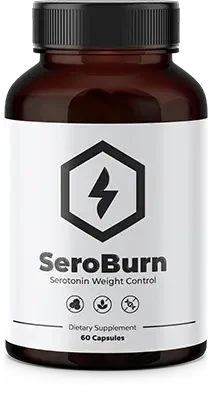 SeroBurn#3 in weight loss support SeroBurn#3 in weight loss support | Capsules2 capsules | Not printedIn a 843.5 mg proprietary blend | 9.3 | $49 | Check price |
Questions people ask
What is a nettle leaf supplement?
A nettle leaf supplement contains an extract from the leaves of stinging nettle, also called Urtica dioica. Stinging nettle extracts can also come from the plant's flowering parts.
Is nettle leaf the same as stinging nettle leaf?
Yes, nettle is another name for stinging nettle. The plant is also called stinger.
What forms do stinging nettle leaf supplements come in?
Stinging nettle supplements come as capsules, tablets or liquid solutions. The NIH says commercial supplements are typically recommended at 300 to 600 mg daily.
What are the side effects of stinging nettle leaf supplements?
Possible side effects include headache, nausea, diarrhea, constipation and abdominal discomfort, though stinging nettle extracts are generally well tolerated. Applying stinging nettle to the skin can cause hives.
Can I eat raw stinging nettle leaves?
No, do not take raw, fresh stinging nettle leaves by mouth. Processing the leaves and flowering parts destroys their stinging hairs so they can be eaten or taken by mouth without stinging or irritation.
Which supplements we reviewed contain stinging nettle?
SeroBurn is the only product we reviewed that lists stinging nettle. Its individual amount is not printed: it is inside a 843.5 mg proprietary blend per serving of 2 capsules.
Sources
The products, amounts and prices come from each product's label and checkout, as its review shows them. AI drafts our pages from listed sources, figures are checked against them, and we have not tried the products.
- 1NIH LiverTox, Stinging Nettlencbi.nlm.nih.gov/bookschecked
- 2NIH LactMed, Stinging Nettlencbi.nlm.nih.gov/bookschecked