Vitamin A explained: what it is and side effects
The NIH says vitamin A helps the heart, lungs, and other organs work properly. It comes from animal foods and substances in plant foods that your body turns into vitamin A, with recommended daily amounts of 900 mcg RAE for adult men and 700 mcg RAE for adult women. One product we reviewed lists vitamin A, and its label prints 900 mcg per serving.
- What it is
- Vitamin
- What adults need a day (ages 19 and older)
- 900 mcg RAE for men, 700 mcg RAE for women
- Upper limit
- 3,000 mcg daily of preformed vitamin A from food, beverages, and supplements combined.
- In the products we reviewed
- 1, its label prints the amount
What vitamin A is
- Vitamin A comes from preformed vitamin A in animal foods and from substances in plant foods that the body turns into vitamin A.1
- Vitamin A helps the heart, lungs, and other organs work properly.1
- Preformed vitamin A is found in fish, organ meats such as liver, dairy products, and eggs.1
- Beta-carotene is the most common substance in foods and supplements that the body can turn into vitamin A.1
- Vitamin A supplements usually contain retinyl acetate, retinyl palmitate, beta-carotene, or a combination of these forms.1
- Vitamin A is available in tablets, capsules, and solutions, alone or combined with other vitamins and minerals.2
- Most vitamin A in the body is stored in the liver as retinyl esters.3
Foods that have it1
- Herring
- Salmon
- Beef liver and other organ meats
- Green leafy vegetables
- Spinach
- Sweet potatoes
- Carrots
- Broccoli
- Winter squash
- Cantaloupe
- Mangos
- Apricots
- Milk
- Cheese
- Fortified breakfast cereals
- Eggs
How much vitamin A each product gives
Adults need 700 to 900 mcg a day
Before you take it
If you take medicines
Side effects
- Too much preformed vitamin A can cause severe headache, blurred vision, nausea, dizziness, muscle aches, and coordination problems.1
- Severe excess intake of preformed vitamin A can lead to coma and death.1
- Too much preformed vitamin A during pregnancy can cause birth defects affecting the baby's eyes, skull, lungs, and heart.1
- High beta-carotene intake can turn the skin yellow-orange, a harmless change that goes away when intake decreases.1
Ask a doctor first
- People who are pregnant, might be pregnant, or are breastfeeding should not take high-dose preformed vitamin A supplements.1
- Breastfeeding mothers should avoid daily vitamin A doses above 3,000 mcg.4
- People with chronic liver disease should avoid taking more than the minimum daily requirement of vitamin A because they may be more vulnerable to toxicity.2
- High-dose beta-carotene supplements carry a higher risk of lung cancer and death for smokers, former smokers, and people exposed to asbestos.1
These statements have not been evaluated by the FDA. A supplement is not a medicine.
The product we reviewed that lists vitamin A
| Product | Form and serving | Vitamin A per serving | Our score | Price a bottle | Buy |
|---|---|---|---|---|---|
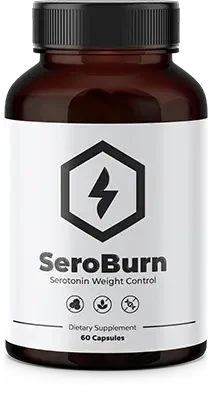 SeroBurn#3 in weight loss support SeroBurn#3 in weight loss support | Capsules2 capsules | 900 mcg100% of daily need | 9.3 | $49 | Check price |
Questions people ask
What foods have vitamin A?
Vitamin A sources include salmon, herring, beef liver, milk, cheese, and eggs. Plant sources include spinach, sweet potatoes, carrots, broccoli, winter squash, cantaloupe, mangos, and apricots.
How much vitamin A do adults need per day?
The recommended daily amount of vitamin A is 900 mcg RAE for men and 700 mcg RAE for women ages 19 and older.
How much vitamin A is too much?
The adult daily upper limit is 3,000 mcg of preformed vitamin A from food, beverages, and supplements combined. People who are pregnant, might be pregnant, or are breastfeeding should not take high-dose preformed vitamin A supplements. Ask a clinician before starting if any of these apply to you.
What are the symptoms of too much vitamin A?
Too much preformed vitamin A can cause severe headache, blurred vision, nausea, dizziness, muscle aches, and coordination problems. Severe excess intake can lead to coma and death.
Is vitamin A the same as beta-carotene?
Beta-carotene is a substance your body can turn into vitamin A. It is the most common such substance in foods and supplements, while vitamin A supplements usually contain retinyl acetate, retinyl palmitate, beta-carotene, or a combination.
Which products we reviewed contain vitamin A?
SeroBurn is the only product we reviewed that lists vitamin A. Its label prints 900 mcg per serving of 2 capsules, equal to 100% of the daily value.
Sources
The products, amounts and prices come from each product's label and checkout, as its review shows them. AI drafts our pages from listed sources, figures are checked against them, and we have not tried the products.
- 1NIH Office of Dietary Supplements, Vitamin A - Consumerods.od.nih.gov/factsheetschecked
- 2NIH LiverTox, Vitamin Ancbi.nlm.nih.gov/bookschecked
- 3NIH Office of Dietary Supplements, Vitamin A - Health Professionalods.od.nih.gov/factsheetschecked
- 4NIH LactMed, Vitamin Ancbi.nlm.nih.gov/bookschecked