Turmeric explained: what it is and side effects
Turmeric comes from the underground stem of Curcuma longa, a plant in the ginger family native to India and grown across Southern Asia and in Central America. It is used as a spice in curry, and curcumin gives it its yellow color. Two products we reviewed list turmeric, and one prints its amount: 15 mg per serving.
- What it is
- Plant
- Amounts the NIH names
- 100 to more than 1,000 mg a day, depending on the preparation and its form
- In the products we reviewed
- 2, 1 print the amount
What turmeric is
- Turmeric comes from the roots of Curcuma longa, a perennial plant in the ginger family that is native to India and grown across Southern Asia and in Central America.2
- Turmeric is also called turmeric root or Indian saffron, and its Latin names are Curcuma longa, also known as Curcuma domestica, and Curcuma aromatica.1
- Its rhizome, the underground stem, has been used in cooking and in cosmetics, among other uses.1
- Turmeric has an intense yellow color and a distinct taste, and it is used as a dye and as a spice in curry.2
- Curcumin, a major component of turmeric, gives the spice its yellow color.1
- Curcumin makes up between 1% and 6% of whole turmeric extracts by dry weight, and the rest includes starch, fats, proteins, fiber, vitamins, minerals and water.2
- Curcumin products vary in how much curcumin they actually hold, and they often add substances from other plants, such as piperine from black pepper.1
- The U.S. Food and Drug Administration lists turmeric as generally recognized as safe (GRAS) as a food ingredient.3
Foods that have it2
- Curry
Works with
- Black pepper (piperine). Combining curcumin with piperine from black pepper is one way to help the body absorb more curcumin.1
How much turmeric each product gives
NIH: 100 mg to 1,000 mg per dose
Amount not printed: the dashed line shows the most it can be, the whole blend
Before you take it
If you take medicines
If you take other supplements
- Black pepper extract (piperine)
- Piperine is used to raise how much curcumin the body absorbs, and these high bioavailability forms of curcumin have been linked to several cases of liver injury.2
Side effects
- Turmeric taken by mouth can cause nausea, vomiting, acid reflux, stomach upset, diarrhea or constipation, and curcumin on the skin can cause hives or itching.1
- Side effects are uncommon and mild, but may include skin rash (dermatitis) and stomach upset.2
- Regular turmeric or curcumin taken by mouth, not changed to absorb better, is likely safe in the recommended amounts for up to 2 or 3 months.1
Ask a doctor first
- Liver damage has been reported in some people who took curcumin made to absorb better, and anyone who notices signs such as fatigue, nausea, poor appetite, dark urine or jaundice should stop turmeric or curcumin products right away and talk with a health care provider.1
- Most liver injury cases are linked to curcumin made to absorb better, but some involved plain ground turmeric or turmeric tea, and the NIH says such injury is probably very rare, about 1 in 10,000 to 1 in 100,000 people who take it.2
- Turmeric supplements may be unsafe during pregnancy.1
These statements have not been evaluated by the FDA. A supplement is not a medicine.
The 2 products we reviewed that list turmeric
| Product | Form and serving | Turmeric per serving | Our score | Price a bottle | Buy |
|---|---|---|---|---|---|
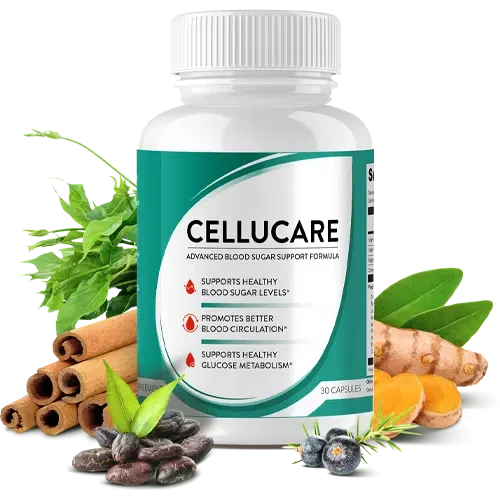 Cellucare#4 in blood sugar support Cellucare#4 in blood sugar support | Capsules1 capsule | Not printedIn a 528 mg proprietary blend | 9.4 | $49 | Check price |
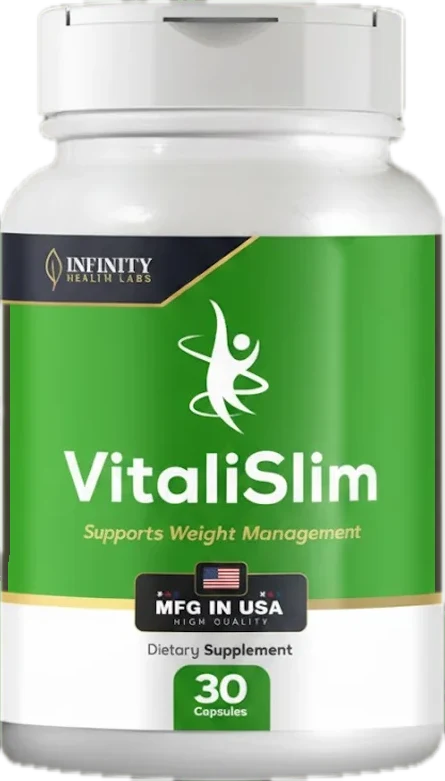 VitaliSlim#4 in weight loss support VitaliSlim#4 in weight loss support | Capsules1 capsule | 15 mg | 9.2 | $49 | Check price |
Questions people ask
What is turmeric root?
Turmeric root is the rhizome, or underground stem, of the turmeric plant. It has an intense yellow color and a distinct taste, and it is used in cooking, including curry.
What is the difference between turmeric and curcumin?
Curcumin is a major component of turmeric that gives the spice its yellow color. The NIH says curcumin makes up between 1% and 6% of whole turmeric extracts by dry weight.
How much turmeric should adults take daily?
The NIH names amounts of 100 to more than 1,000 mg a day, depending on the preparation and form, rather than a daily adult requirement. Ask a clinician before starting a turmeric supplement.
Why is turmeric combined with black pepper?
Piperine from black pepper helps the body absorb more curcumin, a component of turmeric. Forms made to absorb better have been linked to cases of liver injury, so ask a clinician before starting.
What are turmeric's side effects?
Turmeric taken by mouth can cause nausea, vomiting, acid reflux, stomach upset, diarrhea or constipation. Liver damage has also been reported: stop turmeric or curcumin products and contact a clinician if you notice fatigue, nausea, poor appetite, dark urine or jaundice. Turmeric supplements may be unsafe during pregnancy, so ask a clinician before starting.
Which supplements we reviewed list turmeric?
Cellucare and VitaliSlim both list turmeric. VitaliSlim prints 15 mg per serving of 1 capsule. Cellucare lists it inside a 528 mg proprietary blend per serving of 1 capsule, without printing a separate turmeric amount.
Sources
The products, amounts and prices come from each product's label and checkout, as its review shows them. AI drafts our pages from listed sources, figures are checked against them, and we have not tried the products.
- 1NIH National Center for Complementary and Integrative Health, Turmeric: Usefulness and Safetynccih.nih.gov/healthchecked
- 2NIH LiverTox, Turmericncbi.nlm.nih.gov/bookschecked
- 3NIH LactMed (Drugs and Lactation Database), Turmericncbi.nlm.nih.gov/bookschecked