Thiamin explained: what it is and side effects
Thiamin, or vitamin B1, is a water-soluble vitamin found naturally in foods, added to some foods and sold as a supplement. Adults ages 19 and older need 1.2 mg a day for men and 1.1 mg for women. One product we reviewed lists thiamin, and its label prints 100 mg per serving.
- What it is
- Vitamin
- What adults need a day (ages 19 and older)
- 1.2 mg for men, 1.1 mg for women
- Upper limit
- none set
- In the products we reviewed
- 1, its label prints the amount
What thiamin (vitamin B1) is
- Thiamin is naturally in some foods, is added to some food products and is sold as a dietary supplement.1
- Thiamin, also spelled thiamine, is one of the water-soluble B vitamins and is also known as vitamin B1.1
- Thiamin helps turn the food you eat into the energy you need.2
- Thiamin is important for the growth, development and function of the cells in the body.2
- An adult body holds about 25 to 30 mg of thiamin, and about 80% of it is thiamin diphosphate, the main active form.1
- Thiamin has a short half-life in the body, so people need a steady supply of it from their diet.1
- Common forms of thiamin in supplements are thiamin mononitrate and thiamin hydrochloride, and some use a synthetic form called benfotiamine.2
- Thiamin dissolves in water, so a good part of it is lost when cooking water is thrown out.1
Foods that have it2
- Whole grains
- Fortified bread, cereal, pasta and rice
- Meat, especially pork
- Fish
- Black beans
- Soybeans
- Seeds
- Nuts
How much thiamin (vitamin B1) each product gives
Adults need 1.1 to 1.2 mg a day
Before you take it
If you take medicines
- Furosemide (Lasix), a diuretic
- Furosemide has been linked to falling thiamin levels, possibly down to deficient levels, because of thiamin lost in urine.1
- Fluorouracil (5-fluorouracil, Adrucil), a chemotherapy drug
- Cases of beriberi or Wernicke’s encephalopathy have been reported with this drug, possibly because it raises thiamin use and blocks the active form of thiamin.1
Side effects
- Thiamin has not been shown to cause any harm.2
- The body gets rid of extra thiamin in urine.1
- The lack of reported harm may be explained by how fast absorption of thiamin drops at intakes above 5 mg.1
Ask a doctor first
- Some medicines can bring down thiamin levels in the body, such as furosemide (Lasix) and the chemotherapy drug fluorouracil (5-fluorouracil and Adrucil).2
- Although no adverse events have been reported, the Food and Nutrition Board noted that very high intakes of thiamin could have adverse effects.1
These statements have not been evaluated by the FDA. A supplement is not a medicine.
The product we reviewed that lists thiamin (vitamin B1)
| Product | Form and serving | Thiamin (vitamin B1) per serving | Our score | Price a bottle | Buy |
|---|---|---|---|---|---|
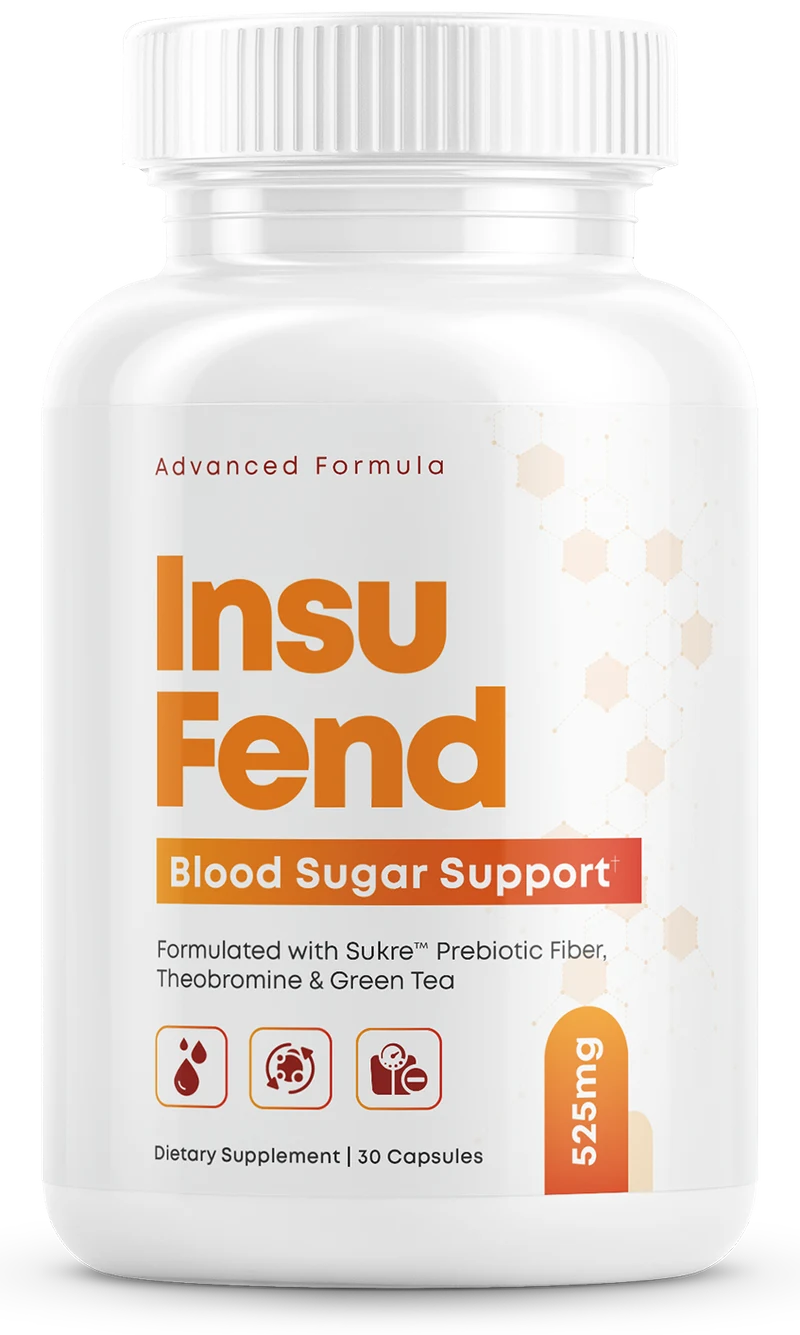 Insufend#2 in blood sugar support Insufend#2 in blood sugar support | Capsules1 capsule | 100 mg8,333% of daily need | 9.6 | $49 | Check price |
Questions people ask
What is thiamin vitamin B1?
Thiamin, also spelled thiamine, is a water-soluble B vitamin known as vitamin B1. The NIH says thiamin helps turn the food you eat into the energy you need. It is important for the growth, development and function of the cells in the body.
What foods contain thiamin?
Thiamin is found in whole grains, meat, especially pork, fish, black beans, soybeans, seeds and nuts. Fortified bread, cereal, pasta and rice also contain it. Thiamin dissolves in water, so a good part of it is lost when cooking water is thrown out.
How much thiamin do adults need per day?
Men ages 19 and older need 1.2 mg of thiamin a day, and women ages 19 and older need 1.1 mg. These are the recommended dietary allowances. Thiamin has a short half-life in the body, so you need a steady supply from your diet.
Does thiamin have side effects?
Thiamin has not been shown to cause harm, and the body gets rid of extra thiamin in urine. The Food and Nutrition Board notes that very high intakes could have adverse effects. Ask a clinician before starting a thiamin supplement.
Which supplements we reviewed contain thiamin?
One product we reviewed lists thiamin: Insufend. Its label prints 100 mg per serving of 1 capsule, with a daily value of 8333%.
Sources
The products, amounts and prices come from each product's label and checkout, as its review shows them. AI drafts our pages from listed sources, figures are checked against them, and we have not tried the products.
- 1NIH Office of Dietary Supplements, Thiamin Fact Sheet for Health Professionalsods.od.nih.gov/factsheetschecked
- 2NIH Office of Dietary Supplements, Thiamin Fact Sheet for Consumersods.od.nih.gov/factsheetschecked