Riboflavin explained: what it is and food sources
Riboflavin is a water-soluble B vitamin, also called vitamin B2, found naturally in some foods and added to fortified foods. Adults aged 19 and older need 1.3 mg a day for men and 1.1 mg for women. One product we reviewed lists riboflavin, and its label prints 25 mg per serving.
- What it is
- Vitamin
- What adults need a day (ages 19 and older)
- 1.3 mg for men, 1.1 mg for women
- In the products we reviewed
- 1, its label prints the amount
What riboflavin is
- Riboflavin comes naturally from some foods and is also added to fortified foods.2
- Riboflavin is a water-soluble B vitamin also called vitamin B2.1
- Riboflavin supports the growth, development, and function of your body's cells.2
- Riboflavin helps your body turn food into energy.2
- Most supplements contain free riboflavin, but some contain riboflavin 5'-phosphate.1
- Riboflavin is available in multivitamin/mineral supplements, B-complex supplements, and supplements containing only riboflavin.2
- Your body absorbs little riboflavin beyond 27 mg in a single dose and stores only small amounts in the liver, heart, and kidneys.1
Foods that have it2
- Eggs
- Kidneys and liver
- Lean meats
- Low-fat milk
- Mushrooms
- Spinach
- Fortified cereals
- Bread
- Grain products
How much riboflavin each product gives
Adults need 1.1 to 1.3 mg a day
Before you take it
Ask a doctor first
- Be cautious about taking excessive amounts because limited safety information does not mean high intakes are harmless.1
- Vegetarian athletes should consult a sports dietitian about getting enough riboflavin.1
These statements have not been evaluated by the FDA. A supplement is not a medicine.
The product we reviewed that lists riboflavin
| Product | Form and serving | Riboflavin per serving | Our score | Price a bottle | Buy |
|---|---|---|---|---|---|
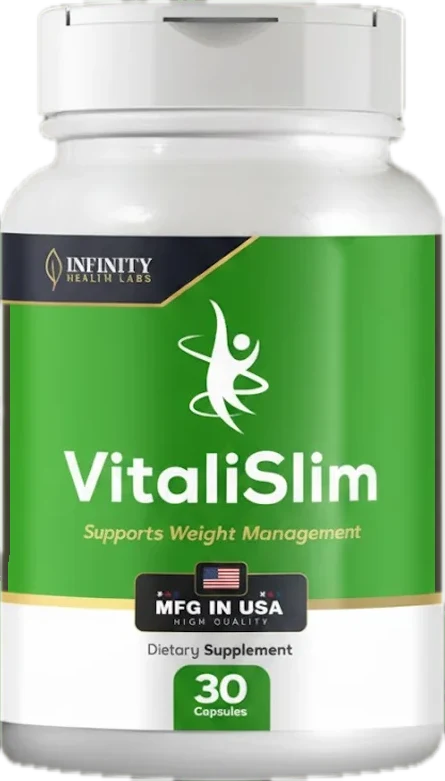 VitaliSlim#4 in weight loss support VitaliSlim#4 in weight loss support | Capsules1 capsule | 25 mg1,923% of daily need | 9.2 | $49 | Check price |
Questions people ask
Is riboflavin vitamin B2?
Yes, riboflavin is vitamin B2, a water-soluble B vitamin. The NIH says it supports the growth, development, and function of your body's cells. It also helps your body turn food into energy.
What foods contain riboflavin?
Eggs, kidneys and liver, lean meats, low-fat milk, mushrooms, spinach, fortified cereals, bread, and grain products contain riboflavin. It comes naturally from some foods and is also added to fortified foods.
How much riboflavin do adults need per day?
Men aged 19 and older need 1.3 mg of riboflavin a day, and women aged 19 and older need 1.1 mg. These are the recommended dietary allowances.
What forms of riboflavin are in supplements?
Most supplements contain free riboflavin, but some contain riboflavin 5'-phosphate. Riboflavin is available in multivitamin/mineral supplements, B-complex supplements, and supplements containing only riboflavin.
Is too much riboflavin safe?
Limited safety information does not mean high riboflavin intakes are harmless. Your body absorbs little riboflavin beyond 27 mg in a single dose. Be cautious about excessive amounts and ask a clinician before starting.
Which products we reviewed contain riboflavin?
VitaliSlim is the product we reviewed that lists riboflavin. Its label prints 25 mg per serving of one capsule, or 1470% of the daily value.
Sources
The products, amounts and prices come from each product's label and checkout, as its review shows them. AI drafts our pages from listed sources, figures are checked against them, and we have not tried the products.
- 1NIH Office of Dietary Supplements, Riboflavin - Health Professionalods.od.nih.gov/factsheetschecked
- 2NIH Office of Dietary Supplements, Riboflavin Consumerods.od.nih.gov/factsheetschecked