Quercetin explained: what it is and where it comes from
The NIH says quercetin is a regular part of a normal diet and occurs in fruits, vegetables and beverages such as tea. It comes from foods and herbs and is also available as an over-the-counter nutritional supplement. One of the products we reviewed lists quercetin, and no label prints its individual amount per serving.
- Amounts the NIH names
- Quercetin supplements typically provide 500 to 1000 mg daily.
- In the products we reviewed
- 1, its label does not print the amount
What quercetin is
- Quercetin comes from foods and herbs.1
- Quercetin is a regular part of a normal diet.1
- Quercetin occurs in fruits, vegetables, and beverages such as tea.2
- Quercetin is available as an over-the-counter nutritional supplement.1
Foods that have it1
- apples
- berries
- green beans
- asparagus
- broccoli
- tomatoes
- onions
- beer
- red wine
Works with
- sunflower lecithin. Combining quercetin with sunflower lecithin can increase its availability to the body by as much as 20 times.4
How much quercetin each product gives
NIH: 500 mg to 1,000 mg per dose
Amount not printed: the dashed line shows the most it can be, the whole blend
Before you take it
If you take medicines
- cyclosporine, pravastatin, and fexofenadine
- Quercetin might increase how much cyclosporine, pravastatin, and fexofenadine becomes available to the body by affecting enzymes that process medicines.4
- medications that suppress the immune system and blood pressure medicines
- Quercetin might interact with medications that suppress the immune system and blood pressure medicines.3
The product we reviewed that lists quercetin
| Product | Form and serving | Quercetin per serving | Our score | Price a bottle | Buy |
|---|---|---|---|---|---|
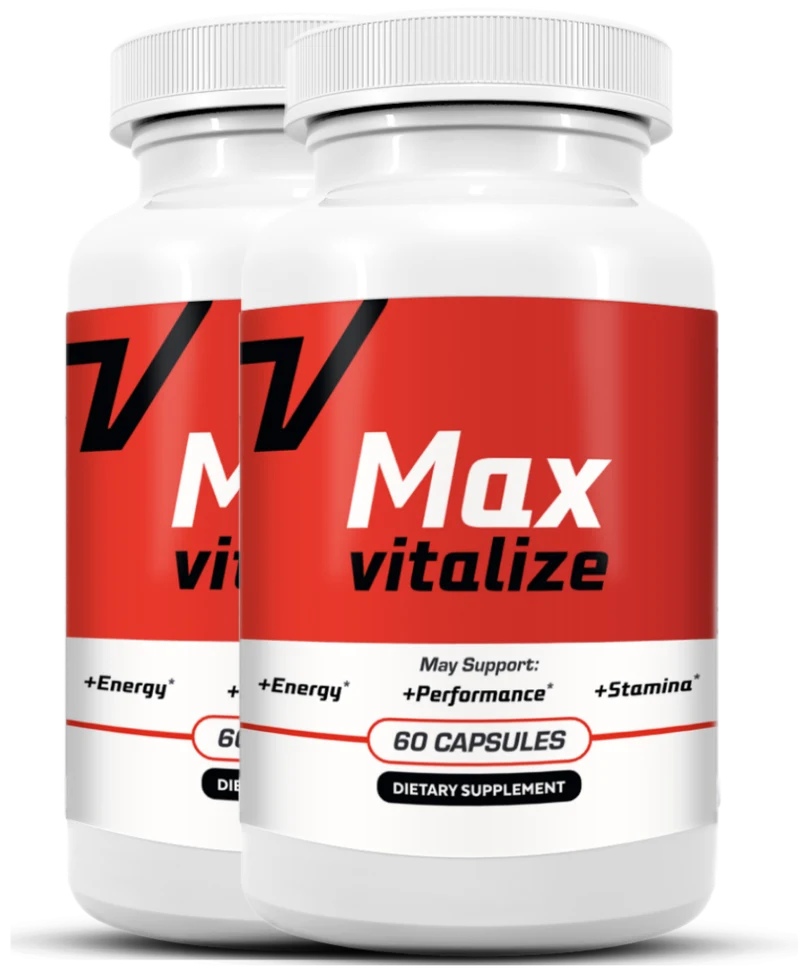 Max Vitalize#3 in men's health support Max Vitalize#3 in men's health support | Capsules2 capsules | Not printedIn a 176 mg proprietary blend | 9.3 | $49 | Check price |
Questions people ask
What foods and drinks contain quercetin?
Quercetin occurs in apples, berries, green beans, asparagus, broccoli, tomatoes and onions. It also occurs in tea, beer and red wine.
How much quercetin do supplements provide per day?
Quercetin supplements typically provide 500 to 1000 mg daily, according to the NIH. Ask a clinician before starting.
What are quercetin's side effects, and is it safe?
Abdominal discomfort, nausea and headache have been reported at low rates similar to placebo. Tell your doctor or pharmacist about what you take, and ask a clinician before starting quercetin.
Can quercetin interact with something else I take?
Yes, quercetin might interact with other things you take. Combining quercetin with sunflower lecithin can increase its availability to the body by as much as 20 times. Tell your doctor or pharmacist about what you take, and ask a clinician before starting.
Which products we reviewed contain quercetin?
Max Vitalize is a product we reviewed that lists quercetin. Quercetin appears within a 176 mg proprietary blend per serving, but its individual amount is not printed. The serving is 2 capsules.
Sources
The products, amounts and prices come from each product's label and checkout, as its review shows them. AI drafts our pages from listed sources, figures are checked against them, and we have not tried the products.
- 1NIH LiverTox, Quercetinncbi.nlm.nih.gov/bookschecked
- 2NIH Office of Dietary Supplements, Dietary Supplements for Exercise and Athletic Performance, Fact Sheet for Consumersods.od.nih.gov/factsheetschecked
- 3NIH Office of Dietary Supplements, Dietary Supplements in the Time of COVID-19, Fact Sheet for Consumersods.od.nih.gov/factsheetschecked
- 4NIH Office of Dietary Supplements, Dietary Supplements in the Time of COVID-19, Fact Sheet for Health Professionalsods.od.nih.gov/factsheetschecked