Pine bark extract explained: what it is and side effects
The extract comes from pine tree bark, commonly the maritime pine Pinus pinaster, and the NIH says its plant compounds with antioxidant activity are thought to be its active ingredients. The NIH names a typical dose of 100 to 400 mg daily. One product we reviewed lists pine bark extract, and none prints its individual amount.
- What it is
- Plant
- Amounts the NIH names
- The typical dose of pine bark extract is 100 to 400 mg daily.
- In the products we reviewed
- 1, its label does not print the amount
What pine bark extract is
- Pine bark extract comes from pine tree bark.1
- Pinus pinaster is a maritime pine commonly used to make pine bark extract.1
- Pine bark contains plant compounds, carbohydrates, sugars, minerals, and vitamins.1
- Pine bark is rich in plant compounds with antioxidant activity that are thought to be its active ingredients.1
- Pycnogenol is a commercial Pinus pinaster extract standardized to contain 70% procyanidins.1
- Some supplements combine pine bark with other ingredients without providing its concentration.1
How much pine bark extract each product gives
NIH: 100 mg to 400 mg per dose
Amount not printed: the dashed line shows the most it can be, the whole blend
Before you take it
Ask a doctor first
- One report of muscle injury was possibly associated with a higher-than-recommended dose.1
These statements have not been evaluated by the FDA. A supplement is not a medicine.
The product we reviewed that lists pine bark extract
| Product | Form and serving | Pine bark extract per serving | Our score | Price a bottle | Buy |
|---|---|---|---|---|---|
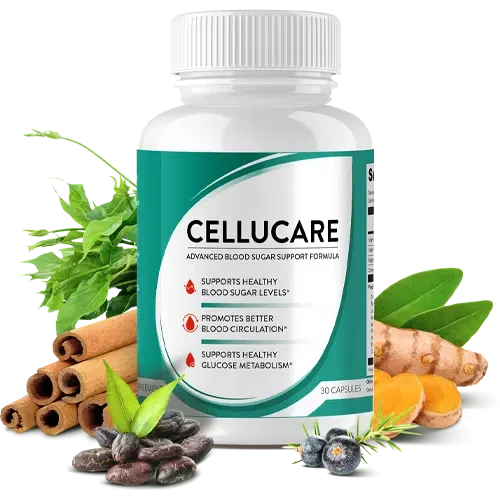 Cellucare#4 in blood sugar support Cellucare#4 in blood sugar support | Capsules1 capsule | Not printedIn a 528 mg proprietary blend | 9.4 | $49 | Check price |
Questions people ask
What is pine bark extract?
Pine bark extract comes from pine tree bark, commonly the maritime pine Pinus pinaster. The NIH says pine bark contains plant compounds, carbohydrates, sugars, minerals, and vitamins.
What does pine bark extract do?
Pine bark is rich in plant compounds with antioxidant activity, according to the NIH. These compounds are thought to be its active ingredients.
How much pine bark extract should I take per day?
The NIH names 100 to 400 mg daily as the typical dose of pine bark extract. Ask a clinician before starting.
Is pine bark extract the same as Pycnogenol?
Pycnogenol is a specific commercial pine bark extract made from Pinus pinaster. The NIH says it is standardized to contain 70% procyanidins.
What side effects are reported for pine bark extract?
One report described muscle injury possibly associated with a higher-than-recommended dose of pine bark extract. Ask a clinician before starting.
Which products we reviewed contain pine bark extract?
Cellucare is the only product we reviewed that lists pine bark extract. Its amount is not printed separately because it is inside a 528 mg proprietary blend. Cellucare comes in capsules, with a serving of 1 capsule.
Sources
The products, amounts and prices come from each product's label and checkout, as its review shows them. AI drafts our pages from listed sources, figures are checked against them, and we have not tried the products.
- 1NIH LiverTox, Pine Barkncbi.nlm.nih.gov/bookschecked