Manganese explained: what it is and side effects
Manganese is a nutrient your body uses to make energy and protect cells from damage, according to the NIH. US adults mainly get it from grain products, tea, and vegetables, with daily needs for ages 19 and older of 2.3 mg for men and 1.8 mg for women. One product we reviewed lists manganese, and its label prints 1 mg per serving.
- What it is
- Mineral
- What adults need a day (ages 19 and older)
- 2.3 mg for men, 1.8 mg for women
- In the products we reviewed
- 1, its label prints the amount
What manganese is
- Grain products, tea, and vegetables are the main dietary sources of manganese for U.S. adults.2
- Your body needs manganese to stay healthy.1
- Your body uses manganese to make energy and protect cells from damage.1
- Manganese is available in multivitamin and mineral supplements and other dietary supplements.1
- Supplement forms include manganese sulfate and manganese aspartate.1
- The Supplement Facts label lists the amount of manganese itself, not the weight of the whole compound containing it.2
- Scientists do not know whether one supplement form of manganese is better than another.1
Foods that have it2
- Whole grains
- Clams
- Oysters
- Mussels
- Nuts
- Soybeans and other legumes
- Rice
- Leafy vegetables
- Coffee
- Tea
- Spices such as black pepper
Works with
- Vitamin K. Manganese works with vitamin K in blood clotting.2
How much manganese each product gives
Adults need 1.8 to 2.3 mg a day
Before you take it
Foods and drinks
- Dietary iron
- Higher iron intake and higher iron stores appear to be associated with less manganese absorption.2
Ask a doctor first
- Do not exceed the manganese upper limits from food, drinks, and supplements unless your health care provider recommends it.1
- People with chronic liver disease have more difficulty clearing manganese and are more vulnerable to harmful effects from excess intake.2
- Iron deficiency increases manganese absorption and can make manganese toxicity symptoms worse.2
- Infants should get manganese only from breast milk, formula, and food.2
These statements have not been evaluated by the FDA. A supplement is not a medicine.
The product we reviewed that lists manganese
| Product | Form and serving | Manganese per serving | Our score | Price a bottle | Buy |
|---|---|---|---|---|---|
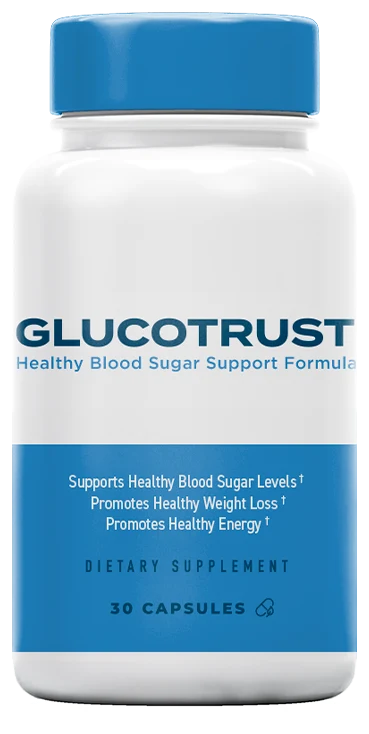 GlucoTrust#6 in blood sugar support GlucoTrust#6 in blood sugar support | Capsules1 capsule | 1 mg43% of daily need | 8.9 | $49 | Check price |
Questions people ask
What foods contain manganese?
Whole grains, clams, oysters, mussels, nuts, soybeans, other legumes, rice, and leafy vegetables contain manganese. Coffee, tea, and spices such as black pepper also contain it. Grain products, tea, and vegetables are the main dietary sources for US adults.
How much manganese do I need per day?
Adults 19 years and older need 2.3 mg of manganese daily for men and 1.8 mg for women. These figures are adequate intake levels.
What is manganese sulfate?
Manganese sulfate is a form of manganese available in supplements. The Supplement Facts label lists the amount of manganese itself, not the weight of the whole compound. Scientists do not know whether one supplement form is better than another.
Is manganese toxic?
Yes, excess manganese can have harmful effects. Do not exceed manganese upper limits from food, drinks, and supplements unless your clinician recommends it. Ask a clinician before starting.
How does iron affect manganese?
Higher iron intake and higher iron stores appear to be associated with less manganese absorption. Iron deficiency increases manganese absorption and can make manganese toxicity symptoms worse. Ask a clinician before starting.
Which supplements we reviewed contain manganese?
GlucoTrust is the only product we reviewed that lists manganese. Its label prints 1 mg per serving of 1 capsule, or 43% of the daily value.
Sources
The products, amounts and prices come from each product's label and checkout, as its review shows them. AI drafts our pages from listed sources, figures are checked against them, and we have not tried the products.
- 1NIH Office of Dietary Supplements, Manganese Consumerods.od.nih.gov/factsheetschecked
- 2NIH Office of Dietary Supplements, Manganese - Health Professionalods.od.nih.gov/factsheetschecked