Licorice root explained: what it is and side effects
Licorice root comes from a perennial herb grown throughout Europe, Asia and the Middle East, and the NIH says it contains glycyrrhizin, also called glycyrrhizic acid. One product we reviewed lists licorice root, and none prints its individual amount.
- What it is
- Plant
- In the products we reviewed
- 1, its label does not print the amount
What licorice root is
- Licorice root comes from licorice, a perennial herb grown throughout Europe, Asia and the Middle East.1
- Licorice root comes from Glycyrrhiza glabra, Glycyrrhiza uralensis and Glycyrrhiza inflata.1
- Licorice is used as a flavoring in candy, other foods and tobacco products.1
- Many licorice products sold in the United States contain anise oil instead of real licorice.1
- Licorice root has a long history of use in ancient Assyrian, Egyptian, Greek, Arab, Chinese, Tibetan and Indian cultures.1
- Licorice contains a compound called glycyrrhizin, also known as glycyrrhizic acid.1
- Licorice products taken by mouth without glycyrrhizin, called deglycyrrhizinated licorice, might be safe for up to 4 months.1
- Licorice root is generally considered safe as a food ingredient.1
Foods that have it1
- Candy
How much licorice root each product gives
Amount not printed: the dashed line shows the most it can be, the whole blend
Before you take it
If you take medicines
- Corticosteroids
- Interactions between licorice and corticosteroids have been reported.1
Foods and drinks
- A diet high in salt
- In people who eat a lot of salt, even small amounts of glycyrrhizin from licorice root products have been linked to severe side effects.1
Side effects
- Licorice used on the skin may cause irritation in some people.1
Ask a doctor first
- The glycyrrhizin in licorice can cause serious effects such as irregular heartbeat and cardiac arrest, especially in large amounts or with long use.1
- Large amounts of licorice extract by mouth, about 250 grams of licorice a week, are unsafe during pregnancy.1
These statements have not been evaluated by the FDA. A supplement is not a medicine.
The product we reviewed that lists licorice root
| Product | Form and serving | Licorice root per serving | Our score | Price a bottle | Buy |
|---|---|---|---|---|---|
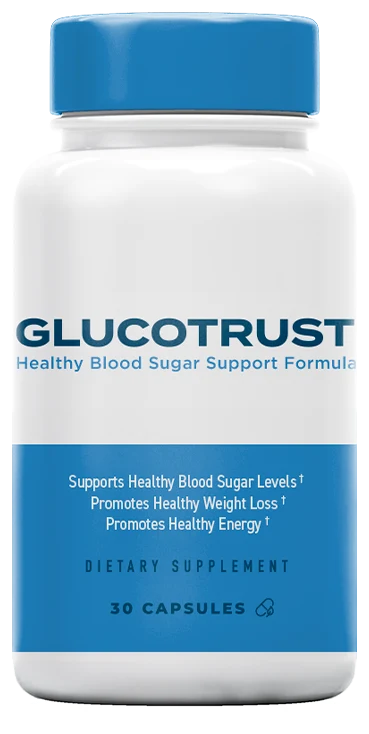 GlucoTrust#6 in blood sugar support GlucoTrust#6 in blood sugar support | Capsules1 capsule | Not printedIn a 207.7 mg proprietary blend | 8.9 | $49 | Check price |
Questions people ask
What is licorice root?
Licorice root is the root of a perennial herb grown throughout Europe, Asia and the Middle East. It comes from Glycyrrhiza glabra, Glycyrrhiza uralensis and Glycyrrhiza inflata. Licorice is used as a flavoring in candy and other foods, though many licorice products sold in the United States contain anise oil instead.
What is a DGL licorice supplement?
DGL is deglycyrrhizinated licorice, meaning licorice without the compound glycyrrhizin. The NIH says these licorice products might be safe for up to four months when taken by mouth.
Is licorice bad for you?
Licorice root is generally considered safe as a food ingredient, but its glycyrrhizin can cause serious effects such as irregular heartbeat and cardiac arrest. These effects are especially a concern with large amounts or long use. Ask a clinician before starting a licorice supplement.
What are licorice root side effects?
Licorice used on the skin may cause irritation, and glycyrrhizin taken by mouth can cause serious heart effects. In people who eat a lot of salt, even small amounts of glycyrrhizin from licorice root products have been linked to severe side effects. Ask a clinician before starting.
Which supplements we reviewed contain licorice root?
GlucoTrust is the only product we reviewed that lists licorice root. Its individual amount is not printed: it is inside a 207.7 mg proprietary blend. The serving is 1 capsule.
Sources
The products, amounts and prices come from each product's label and checkout, as its review shows them. AI drafts our pages from listed sources, figures are checked against them, and we have not tried the products.
- 1NIH National Center for Complementary and Integrative Health, Licorice Root: Usefulness and Safetynccih.nih.gov/healthchecked