Hawthorn explained: what it is and where it grows
The NIH says hawthorn is a flowering shrub or tree in the rose family that grows in temperate regions around the world. Two of the products we reviewed list hawthorn, and two labels print its amount: 33.3 mg to 250 mg per serving.
- What it is
- Plant
- Amounts the NIH names
- Recommended amounts for commercial hawthorn extracts vary widely from 120 to 1800 mg daily.
- In the products we reviewed
- 2, every label prints the amount
What hawthorn is
- Hawthorn is a flowering shrub or tree in the rose family.1
- Hawthorn grows in temperate regions around the world.1
- Hawthorn berries are eaten as food and made into jam, jelly and fruit drinks.2
- Hawthorn fruit, leaves and flowers contain plant compounds called flavonoids and oligomeric proanthocyanidins.3
- Some hawthorn products are standardized by their flavonoid and oligomeric proanthocyanidin content.3
Foods that have it2
- Hawthorn berries
- Hawthorn jam
- Hawthorn jelly
- Hawthorn fruit drink
How much hawthorn each product gives
NIH: 120 mg to 1,800 mg per dose
Before you take it
If you take medicines
- anticoagulants
- Hawthorn may increase the effect of anticoagulants.3
Side effects
- Hawthorn can cause dizziness, nausea, vomiting, diarrhea and muscle pain.1
- Rare allergic reactions, skin rash and allergic skin inflammation have been reported.2
Ask a doctor first
- Little is known about the safety of hawthorn during pregnancy or breastfeeding.1
- Hawthorn fruit should be avoided during breastfeeding.3
- The safety of using hawthorn for more than 16 weeks has not been tested in research studies.1
These statements have not been evaluated by the FDA. A supplement is not a medicine.
The 2 products we reviewed that list hawthorn
| Product | Form and serving | Hawthorn per serving | Our score | Price a bottle | Buy |
|---|---|---|---|---|---|
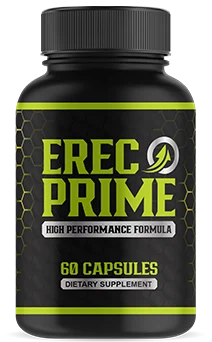 ErecPrime#7 in men's health support ErecPrime#7 in men's health support | Capsules2 capsules | 33.3 mg | 8.7 | $49 | Check price |
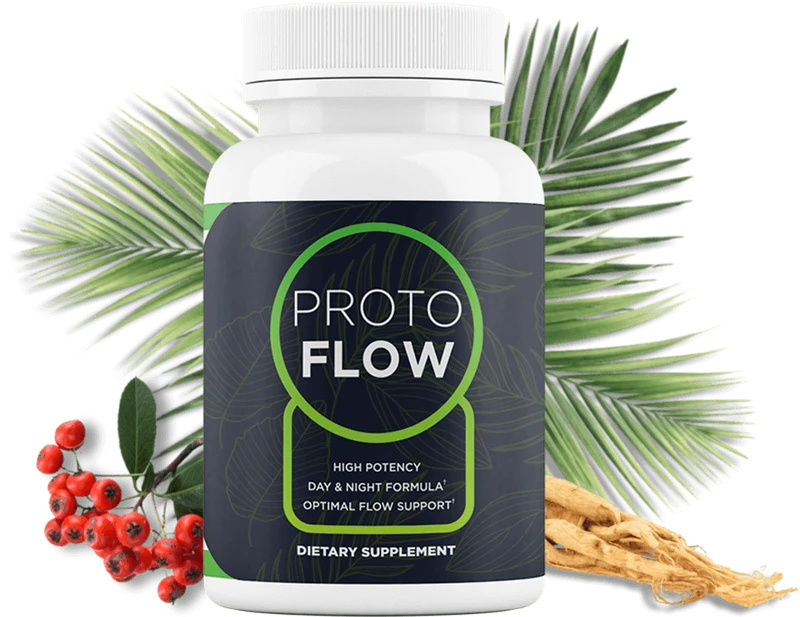 ProtoFlow#6 in prostate health support ProtoFlow#6 in prostate health support | Capsules2 capsules | 250 mg | 8.5 | $49 | Check price |
Questions people ask
What is a hawthorn tree?
Hawthorn is a flowering shrub or tree in the rose family, according to the NIH. Its fruit, leaves and flowers contain plant compounds called flavonoids and oligomeric proanthocyanidins.
Is hawthorn edible?
Yes, hawthorn berries are eaten as food, according to the NIH. They are also made into jam, jelly and fruit drinks.
How much hawthorn should I take per day?
The NIH says recommended amounts for commercial hawthorn extracts vary widely, from 120 to 1800 mg daily. Ask a clinician before starting.
What are the side effects of hawthorn?
Hawthorn can cause dizziness, nausea, vomiting, diarrhea and muscle pain. Rare allergic reactions, skin rash and allergic skin inflammation have been reported.
Which foods contain hawthorn?
Hawthorn berries, jam, jelly and fruit drinks are food sources, according to the NIH.
Which supplements we reviewed contain hawthorn?
ErecPrime and ProtoFlow both list hawthorn and print its amount. ErecPrime prints 33.3 mg per serving of 2 capsules, and ProtoFlow prints 250 mg per serving of 2 capsules.
Sources
The products, amounts and prices come from each product's label and checkout, as its review shows them. AI drafts our pages from listed sources, figures are checked against them, and we have not tried the products.
- 1NIH National Center for Complementary and Integrative Health, Hawthornnccih.nih.gov/healthchecked
- 2NIH LiverTox, Hawthornncbi.nlm.nih.gov/bookschecked
- 3NIH LactMed, Hawthornncbi.nlm.nih.gov/bookschecked