Copper explained: what it is and where it comes from
Copper occurs naturally in foods such as oysters, cashews, and chickpeas. The NIH says your body uses copper to make energy, connective tissues, and blood vessels, and the recommended daily intake for adults ages 19 and older is 900 mcg. One of the products we reviewed lists copper, and one label prints 0.52 mg per serving.
- What it is
- Mineral
- What adults need a day (ages 19 and older)
- 900 mcg
- Upper limit
- 10,000 mcg per day
- In the products we reviewed
- 1, its label prints the amount
What copper is
- Copper occurs naturally in some foods.2
- Your body uses copper to make energy, connective tissues, and blood vessels.1
- Your body needs copper for brain development.1
- Copper is available in multivitamin and mineral supplements, copper-only supplements, and other dietary supplements.1
- Common supplement forms include cupric oxide, cupric sulfate, copper amino acid chelates, and copper gluconate.1
- It is not known whether one copper form is better than another.1
Foods that have it1
- Beef liver
- Shellfish such as oysters
- Cashews
- Sesame seeds
- Sunflower seeds
- Chocolate
- Wheat-bran cereals
- Whole-grain products
- Potatoes
- Mushrooms
- Avocados
- Chickpeas
- Tofu
Works with
- Iron. Copper helps enzymes involved in how the body processes iron.2
How much copper each product gives
Adults need 900 mcg a day
Before you take it
If you take other supplements
- Zinc supplements
- High zinc intakes can interfere with copper absorption, and excessive zinc supplement use can lead to copper deficiency.2
Side effects
- Regularly getting too much copper can cause liver damage, abdominal pain, cramps, nausea, diarrhea, and vomiting.1
Ask a doctor first
- People with Wilson’s disease have a high risk of copper toxicity.2
- Infants should get copper only from breast milk, formula, and food.2
These statements have not been evaluated by the FDA. A supplement is not a medicine.
The product we reviewed that lists copper
| Product | Form and serving | Copper per serving | Our score | Price a bottle | Buy |
|---|---|---|---|---|---|
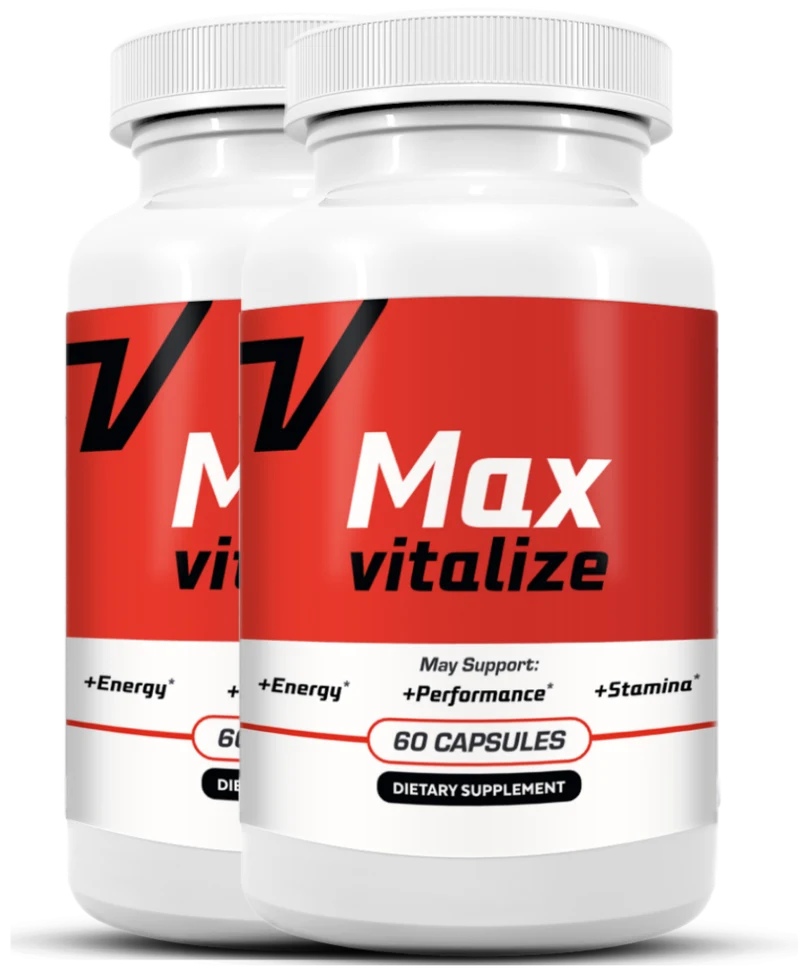 Max Vitalize#3 in men's health support Max Vitalize#3 in men's health support | Capsules2 capsules | 520 mcg58% of daily need | 9.3 | $49 | Check price |
Questions people ask
What is a copper supplement for?
The NIH says your body uses copper to make energy, connective tissues, and blood vessels. The NIH also says your body needs copper for brain development.
What is a chelated copper supplement?
Copper amino acid chelates are one of the common copper supplement forms listed by the NIH. Other forms include cupric oxide, cupric sulfate, and copper gluconate. The NIH says it is not known whether one copper form is better than another.
How much copper should I take per day?
The recommended dietary allowance is 900 mcg of copper a day for adults ages 19 and older. The adult upper limit is 10,000 mcg a day. Ask a clinician before starting a copper supplement.
Can taking too much copper cause side effects?
Yes, regularly getting too much copper can cause liver damage, abdominal pain, cramps, nausea, diarrhea, and vomiting. Ask a clinician before starting a copper supplement.
Does a copper supplement interact with other supplements?
Yes, high zinc intakes can interfere with copper absorption. Excessive zinc supplement use can lead to copper deficiency. Ask a clinician before taking copper with zinc.
Which supplements we reviewed contain copper?
Max Vitalize is a product we reviewed that lists copper. Its label prints 0.52 mg per serving of 2 capsules, or 58% of the daily value.
Sources
The products, amounts and prices come from each product's label and checkout, as its review shows them. AI drafts our pages from listed sources, figures are checked against them, and we have not tried the products.
- 1NIH Office of Dietary Supplements, Copper, Fact Sheet for Consumersods.od.nih.gov/factsheetschecked
- 2NIH Office of Dietary Supplements, Copper, Fact Sheet for Health Professionalsods.od.nih.gov/factsheetschecked