Cat's claw explained: what it is and where it comes from
Cat's claw extract usually comes from root bark, most commonly from Uncaria tomentosa. The NIH says most commercial cat's claw preparations in the United States contain this plant. One product we reviewed lists cat's claw, and one label prints its amount: 30 mg per serving.
- What it is
- Plant
- Amounts the NIH names
- Usual doses vary by preparation and range from 30 to 300 mg of extract once daily.
- In the products we reviewed
- 1, its label prints the amount
What cat's claw is
- Cat's claw extract usually comes from root bark, most commonly from Uncaria tomentosa.2
- Most commercial cat's claw preparations in the United States contain Uncaria tomentosa.1
- Other names for cat's claw include Uña de Gato and Hawk's Claw.2
- Cat's claw appears safe when taken by mouth for short periods of up to 6 months.1
How much cat's claw each product gives
NIH: 30 mg to 300 mg per dose
Before you take it
If you take medicines
- anticoagulant, antiplatelet, and blood pressure drugs
- Cat's claw might interact with anticoagulant, antiplatelet, and blood pressure drugs, based on theoretical concerns.1
Side effects
- Taking cat's claw by mouth may cause nausea, stomach upset, and diarrhea.2
- Cat's claw may slow blood clotting and increase bleeding risk during surgery.1
Ask a doctor first
- Ask your health care provider before using cat's claw if you have an autoimmune disease.1
- Cat's claw may be unsafe during pregnancy.1
- Little is known about the safety of cat's claw while breastfeeding.1
These statements have not been evaluated by the FDA. A supplement is not a medicine.
The product we reviewed that lists cat's claw
| Product | Form and serving | Cat's claw per serving | Our score | Price a bottle | Buy |
|---|---|---|---|---|---|
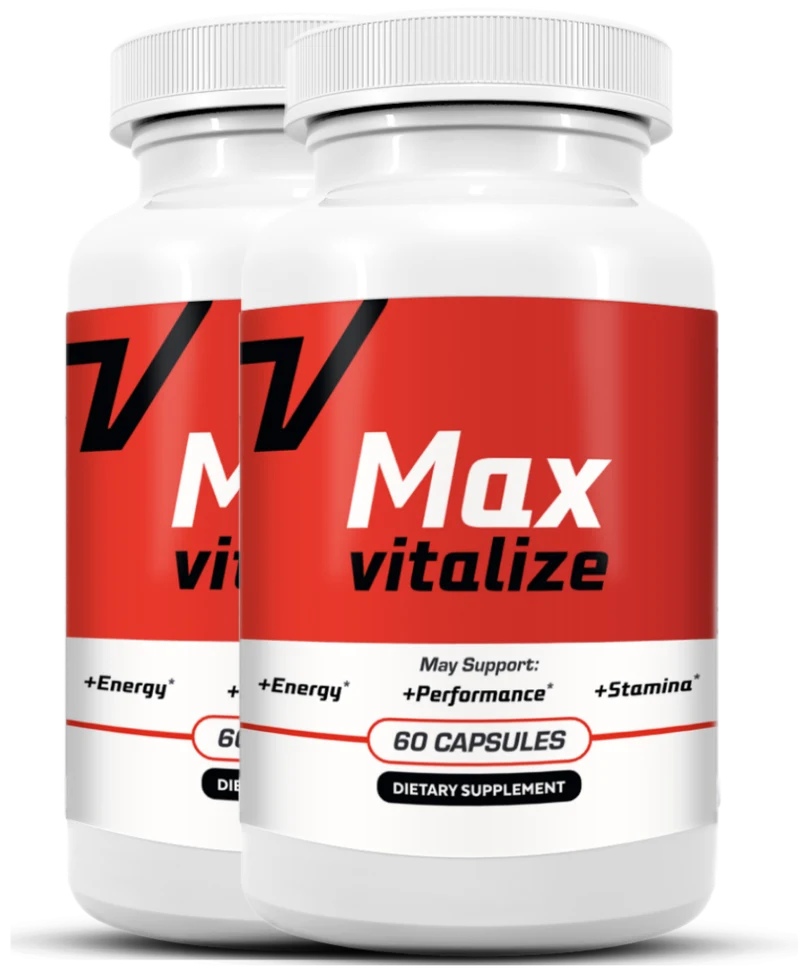 Max Vitalize#3 in men's health support Max Vitalize#3 in men's health support | Capsules2 capsules | 30 mg | 9.3 | $49 | Check price |
Questions people ask
What is cat's claw?
Cat's claw is an herbal ingredient whose extract usually comes from root bark. The NIH says most commercial preparations in the United States contain Uncaria tomentosa. Other names include Uña de Gato and Hawk's Claw.
What is cat's claw extract?
Cat's claw extract usually comes from root bark, most commonly from Uncaria tomentosa. The NIH names usual doses ranging from 30 to 300 mg of extract once daily, depending on the preparation.
What are the side effects of cat's claw?
Taking cat's claw by mouth may cause nausea, stomach upset and diarrhea. It may also slow blood clotting and increase bleeding risk during surgery.
Is cat's claw safe?
The NIH says cat's claw appears safe when taken by mouth for short periods of up to six months. It may be unsafe during pregnancy, and little is known about its safety while breastfeeding. Ask a clinician before starting.
Which supplements contain cat's claw?
Max Vitalize lists 30 mg of cat's claw per serving of 2 capsules. It is the only product we reviewed that lists cat's claw, and its label prints the amount.
Sources
The products, amounts and prices come from each product's label and checkout, as its review shows them. AI drafts our pages from listed sources, figures are checked against them, and we have not tried the products.
- 1NIH National Center for Complementary and Integrative Health, Cat's Clawnccih.nih.gov/healthchecked
- 2NIH LiverTox, Cat's Clawncbi.nlm.nih.gov/bookschecked