Caffeine explained: what it is and where it comes from
Caffeine occurs naturally in plant seeds, leaves and fruit, with sources including green coffee beans, guarana berries and yerba mate. The NIH says it stimulates the brain, probably by blocking places where a substance called adenosine attaches. One product we reviewed lists caffeine, but its label does not print the caffeine amount.
- Amounts the NIH names
- Supplements with multiple ingredients often contain 50 to 250 mg of caffeine per serving, but may not state the actual amount.
- In the products we reviewed
- 1, its label does not print the amount
What caffeine is
- Caffeine occurs naturally in plant seeds, leaves, and fruit.1
- Plant sources of caffeine include yerba mate, green coffee beans, guarana berries, and yaupon holly.1
- Caffeine stimulates the brain, probably by blocking places where a substance called adenosine attaches.1
- Caffeine is available without a prescription in tablets generally containing 100 or 200 mg to help with alertness and sleepiness.1
- Supplement labels do not always list caffeine, even when the product contains it.2
- Caffeine enters breastmilk quickly after the mother consumes it.3
Foods that have it1
- Coffee
- Tea
- Chocolate
How much caffeine each product gives
NIH: 50 mg to 250 mg per dose
Amount not printed: the dashed line shows the most it can be, the whole blend
Before you take it
If you take other supplements
- Other stimulant ingredients
- Combining caffeine with other stimulant ingredients can increase caffeine's effects.2
Side effects
- Symptoms of high caffeine intake include nervousness, irritability, trouble sleeping, headaches, rapid heartbeat, shaking, and digestive discomfort.1
- Higher doses can cause nausea, vomiting, rapid heartbeat, and seizures.2
- Fussiness, jitteriness, and poor sleep have been reported in breastfed babies whose mothers consumed very high amounts of caffeine, about 10 or more cups of coffee daily.3
Ask a doctor first
- High doses of caffeine can be toxic, generally when intake exceeds 1,000 mg a day.1
- Mothers of premature babies and younger newborns should keep caffeine intake lower because these infants break it down very slowly.3
- If you are breastfeeding, consult your healthcare provider for advice specific to your situation.3
These statements have not been evaluated by the FDA. A supplement is not a medicine.
The product we reviewed that lists caffeine
| Product | Form and serving | Caffeine per serving | Our score | Price a bottle | Buy |
|---|---|---|---|---|---|
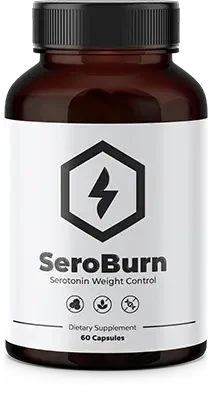 SeroBurn#3 in weight loss support SeroBurn#3 in weight loss support | Capsules2 capsules | Not printedIn a 843.5 mg proprietary blend | 9.3 | $49 | Check price |
Questions people ask
Is caffeine a stimulant?
Yes, the NIH says caffeine stimulates the brain, probably by blocking places where a substance called adenosine attaches.
What foods have caffeine?
Coffee, tea and chocolate contain caffeine. Plant sources include yerba mate, green coffee beans, guarana berries and yaupon holly.
How much caffeine is in caffeine pills?
Caffeine tablets generally contain 100 or 200 mg, according to the NIH. They are available without a prescription to help with alertness and sleepiness.
How much caffeine is too much?
High doses of caffeine can be toxic, generally when intake exceeds 1,000 mg a day. Combining caffeine with other stimulant ingredients can increase caffeine's effects.
What are the side effects of caffeine?
Symptoms of high caffeine intake include nervousness, irritability, trouble sleeping, headaches, rapid heartbeat, shaking and digestive discomfort. Higher doses can cause nausea, vomiting, rapid heartbeat and seizures.
Which of your reviewed products contain caffeine?
SeroBurn is the only product we reviewed that lists caffeine. Its caffeine amount is not printed separately: caffeine is inside an 843.5 mg proprietary blend per serving of 2 capsules.
Sources
The products, amounts and prices come from each product's label and checkout, as its review shows them. AI drafts our pages from listed sources, figures are checked against them, and we have not tried the products.
- 1NIH LiverTox, Caffeinencbi.nlm.nih.gov/bookschecked
- 2NIH Office of Dietary Supplements, WeightLoss Consumerods.od.nih.gov/factsheetschecked
- 3NIH LactMed, Caffeinencbi.nlm.nih.gov/bookschecked