Boron explained: what it is and where it comes from
The NIH says boron is not considered an essential nutrient because its role in the body is uncertain. Many foods contain it, especially plant foods, and there is no established recommended daily amount. One product we reviewed lists boron, and none prints its individual amount.
- What it is
- Mineral
- Amounts the NIH names
- Boron supplements commonly contain 0.15 to 6 mg of boron itself.
- In the products we reviewed
- 1, its label does not print the amount
What boron is
- Many foods contain boron, especially plant foods.1
- Boron is not considered an essential nutrient because its role in the body is uncertain.1
- Supplement forms include boron citrate, boron aspartate, boron gluconate, boron glycinate, and calcium fructoborate.1
- It is not known whether one form of boron is better than another.1
- Boron supplements are available alone or combined with other nutrients, often minerals.2
- The Supplement Facts amount is the amount of boron itself, not the weight of the whole compound containing it.2
- The body absorbs about 85% to 90% of the boron swallowed.2
- There is no established recommended daily amount of boron.1
Foods that have it1
- Raisins
- Peaches
- Prune juice
- Grape juice
- Avocados
- Potatoes
- Peanuts
- Beans
- Green peas
- Coffee
- Milk
- Cider
- Wine
- Beer
How much boron each product gives
NIH: 150 mcg to 6 mg per dose
Amount not printed: the dashed line shows the most it can be, the whole blend
Before you take it
Side effects
- Too much boron can cause nausea, vomiting, diarrhea, rashes, headaches, and convulsions.1
- Very high amounts of boron can be fatal.1
Ask a doctor first
- Adults should keep total boron intake from food, beverages, and supplements within 20 mg a day.1
- Infants should get boron only from breast milk, formula, and food.2
These statements have not been evaluated by the FDA. A supplement is not a medicine.
The product we reviewed that lists boron
| Product | Form and serving | Boron per serving | Our score | Price a bottle | Buy |
|---|---|---|---|---|---|
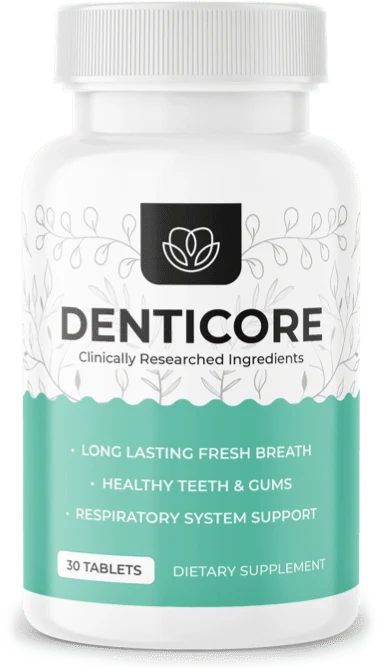 DentiCore#4 in oral health support DentiCore#4 in oral health support | Soft tablets1 tablet | Not printedIn a 120 mg proprietary blend | 8.9 | $49 | Check price |
Questions people ask
Which foods contain boron?
Raisins, peaches, avocados, potatoes, peanuts, beans and green peas contain boron. Many foods contain it, especially plant foods. Prune juice, grape juice, coffee and milk also contain boron.
How much boron should adults take per day?
There is no established recommended daily amount of boron. The NIH says boron supplements commonly contain 0.15 to 6 mg of boron itself. Adults should keep total intake from food, beverages and supplements within 20 mg a day.
What are the side effects of boron supplements?
Too much boron can cause nausea, vomiting, diarrhea, rashes, headaches and convulsions. Very high amounts can be fatal. Keep total adult intake from food, beverages and supplements within 20 mg a day, and ask a clinician before starting.
What is boron citrate?
Boron citrate is a form of boron used in supplements. The NIH says it is not known whether one form of boron is better than another.
What is boron glycinate?
Boron glycinate is a form of boron used in supplements. The NIH says the Supplement Facts amount is the amount of boron itself, not the weight of the whole compound containing it.
Which supplements we reviewed contain boron?
DentiCore is the only product we reviewed that lists boron. Its serving is 1 soft tablet, with boron inside a 120 mg proprietary blend. The individual boron amount is not printed.
Sources
The products, amounts and prices come from each product's label and checkout, as its review shows them. AI drafts our pages from listed sources, figures are checked against them, and we have not tried the products.
- 1NIH Office of Dietary Supplements, Boron, Fact Sheet for Consumersods.od.nih.gov/factsheetschecked
- 2NIH Office of Dietary Supplements, Boron, Fact Sheet for Health Professionalsods.od.nih.gov/factsheetschecked