Bladderwrack explained: what it is and its algae family
The NIH says Bladderwrack and Bladder Wrack are names used for Fucus, a genus of brown algae in the Fucaceae family. The NIH also identifies Fucus as a source of substances called alginates. Two of the products we reviewed list bladderwrack, and one label prints its amount: 10 mg per serving.
- In the products we reviewed
- 2, 1 print the amount
What bladderwrack is
How much bladderwrack each product gives
Amount not printed: the dashed line shows the most it can be, the whole blend
The 2 products we reviewed that list bladderwrack
| Product | Form and serving | Bladderwrack per serving | Our score | Price a bottle | Buy |
|---|---|---|---|---|---|
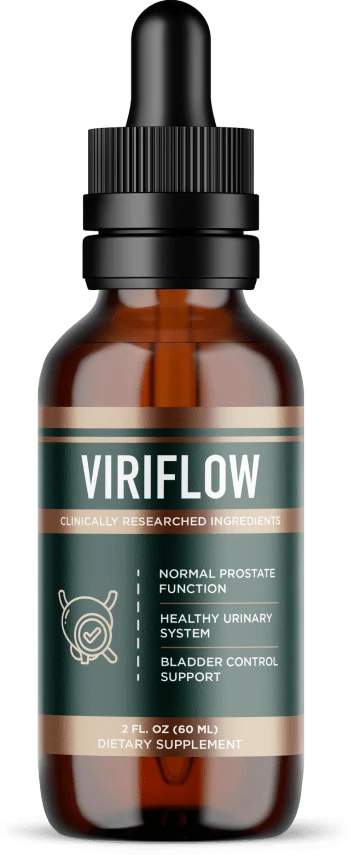 ViriFlow#1 in prostate health support ViriFlow#1 in prostate health support | Liquid drops2 ml | Not printedIn a 700 mg proprietary blend | 9.4 | $49 | Check price |
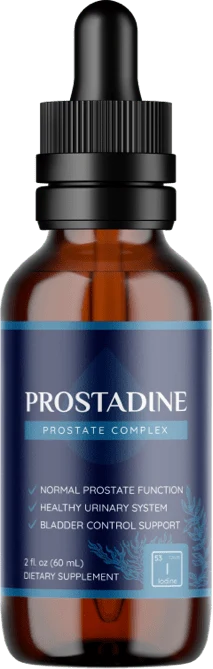 Prostadine#7 in prostate health support Prostadine#7 in prostate health support | Liquid drops2 droppers (2 ml) | 10 mg | 8.3 | $49 | Check price |
Questions people ask
What does bladderwrack mean?
Bladderwrack is a name used for Fucus, according to the NIH. Bladder Wrack is another name used for it.
Bladderwrack is a form of what?
Bladderwrack refers to Fucus, a genus of brown algae in the Fucaceae family, according to the NIH. The NIH identifies Fucus as a source of substances called alginates.
Which supplements we reviewed contain bladderwrack?
ViriFlow and Prostadine both list bladderwrack. Prostadine prints 10 mg per serving. ViriFlow lists it inside a 700 mg proprietary blend without printing its individual amount.
How do you take the bladderwrack supplements we reviewed?
Both supplements come as liquid drops. ViriFlow lists a serving of 2 ml, and Prostadine lists 2 droppers (2 ml).
Also in these products
Sources
The products, amounts and prices come from each product's label and checkout, as its review shows them. AI drafts our pages from listed sources, figures are checked against them, and we have not tried the products.
- 1NIH National Library of Medicine, Medical Subject Headings, Fucusmeshb.nlm.nih.gov/recordchecked