Ashwagandha explained: what it is and side effects
According to the NIH, ashwagandha is Withania somnifera, an evergreen shrub grown in tropical and subtropical parts of Asia, Africa, and Europe. Most commercial supplements contain root extracts, though some contain both root and leaf extracts. One product we reviewed lists ashwagandha, and none prints its individual amount.
- Amounts the NIH names
- Ashwagandha root extract capsules or tablets often contain 150 to 600 mg and are taken one to three times daily, with widely varying total daily amounts.
- In the products we reviewed
- 1, its label does not print the amount
What ashwagandha is
- Ashwagandha extracts come from the roots of Withania somnifera.3
- Withania somnifera is an evergreen shrub grown in tropical and subtropical parts of Asia, Africa, and Europe.1
- Ashwagandha is also called Withania somnifera, Indian ginseng, and winter cherry.2
- Most commercial ashwagandha supplements contain root extracts, but some contain both root and leaf extracts.1
- Ashwagandha root extracts are often taken as capsules or tablets.3
- Ashwagandha contains active plant compounds called withanolides.4
- Ashwagandha has been used as a medicinal plant for thousands of years, especially in traditional Ayurvedic medicine.4
How much ashwagandha each product gives
NIH: 150 mg to 600 mg per dose
Amount not printed: the dashed line shows the most it can be, the whole blend
Before you take it
If you take medicines
- thyroid medications
- Ashwagandha might interact with thyroid medications.2
Side effects
- Common side effects are usually mild and include upset stomach, loose stools, nausea, and drowsiness.2
- Ashwagandha can cause diarrhea and vomiting in some people.4
- Rare cases of liver injury have been linked to ashwagandha supplements.4
- Ashwagandha may affect how the thyroid gland works.2
Ask a doctor first
- Ashwagandha may not be safe for people with prostate cancer or those who are pregnant or breastfeeding.2
- Ashwagandha is not recommended for people about to have surgery or those with autoimmune or thyroid disorders.4
- People with cirrhosis or advanced chronic liver disease should avoid ashwagandha because it can rarely cause liver injury.3
- Ashwagandha appears to be well tolerated for up to about 3 months, but its long-term safety is unknown.1
These statements have not been evaluated by the FDA. A supplement is not a medicine.
The product we reviewed that lists ashwagandha
| Product | Form and serving | Ashwagandha per serving | Our score | Price a bottle | Buy |
|---|---|---|---|---|---|
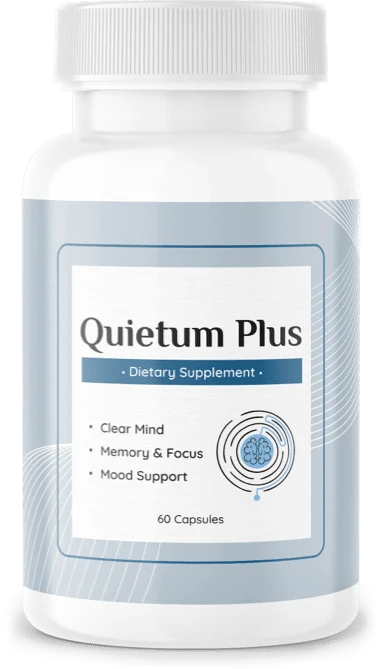 Quietum Plus#4 in hearing support Quietum Plus#4 in hearing support | Capsules2 capsules | Not printedIn a 802 mg proprietary blend | 9.4 | $49 | Check price |
Questions people ask
What is ashwagandha root?
Ashwagandha root comes from Withania somnifera, an evergreen shrub also called Indian ginseng or winter cherry. According to the NIH, ashwagandha contains active plant compounds called withanolides.
What is in an ashwagandha supplement?
Most commercial ashwagandha supplements contain root extracts, according to the NIH. Some contain both root and leaf extracts. Root extracts are often taken as capsules or tablets.
How much ashwagandha should I take per day?
The NIH describes ashwagandha root extract capsules or tablets containing 150 to 600 mg, taken one to three times daily, with widely varying total daily amounts. Ask a clinician before starting.
What are the side effects of ashwagandha?
Common ashwagandha side effects are usually mild and include upset stomach, loose stools, nausea and drowsiness. Some people experience diarrhea and vomiting. Rare cases of liver injury have been linked to ashwagandha supplements.
Is ashwagandha safe?
Ashwagandha appears well tolerated for up to about three months, but its long-term safety is unknown. It may not be safe during pregnancy or breastfeeding and is not recommended before surgery. Ask a clinician before starting.
Which supplements we reviewed contain ashwagandha?
Quietum Plus is the only product we reviewed that lists ashwagandha. Its individual amount is not printed: it is inside an 802 mg proprietary blend per serving of 2 capsules.
Sources
The products, amounts and prices come from each product's label and checkout, as its review shows them. AI drafts our pages from listed sources, figures are checked against them, and we have not tried the products.
- 1NIH Office of Dietary Supplements, Ashwagandha: Is it helpful for stress, anxiety, or sleep? - Health Professionalods.od.nih.gov/factsheetschecked
- 2NIH Office of Dietary Supplements, Ashwagandha: Is it helpful for stress, anxiety, or sleep? - Consumerods.od.nih.gov/factsheetschecked
- 3NIH LiverTox, Ashwagandhancbi.nlm.nih.gov/bookschecked
- 4NIH National Center for Complementary and Integrative Health, Ashwagandhanccih.nih.gov/healthchecked